
Hassan Jawad, head of the Basic Education Association, has outlined proposals for the education ministry ahead of a visit to the south, focusing on students, teachers and displaced staff.
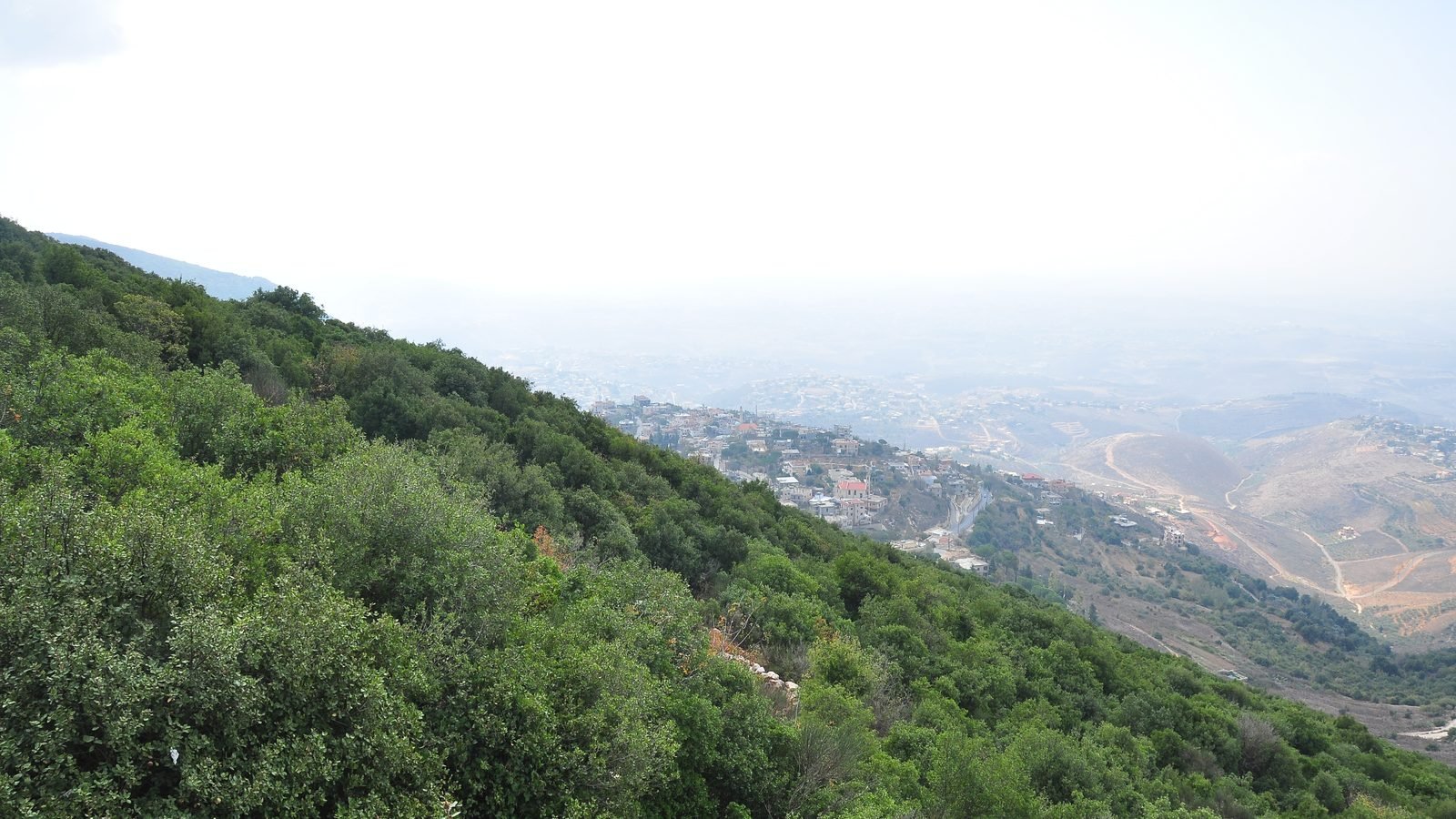
The education chief called for schools in occupied and threatened villages to remain administratively functional, even if nominally, by retaining at least one staff member on the roster. Closing them permanently would serve to empty these communities and deprive them of schooling and social infrastructure, he argued.
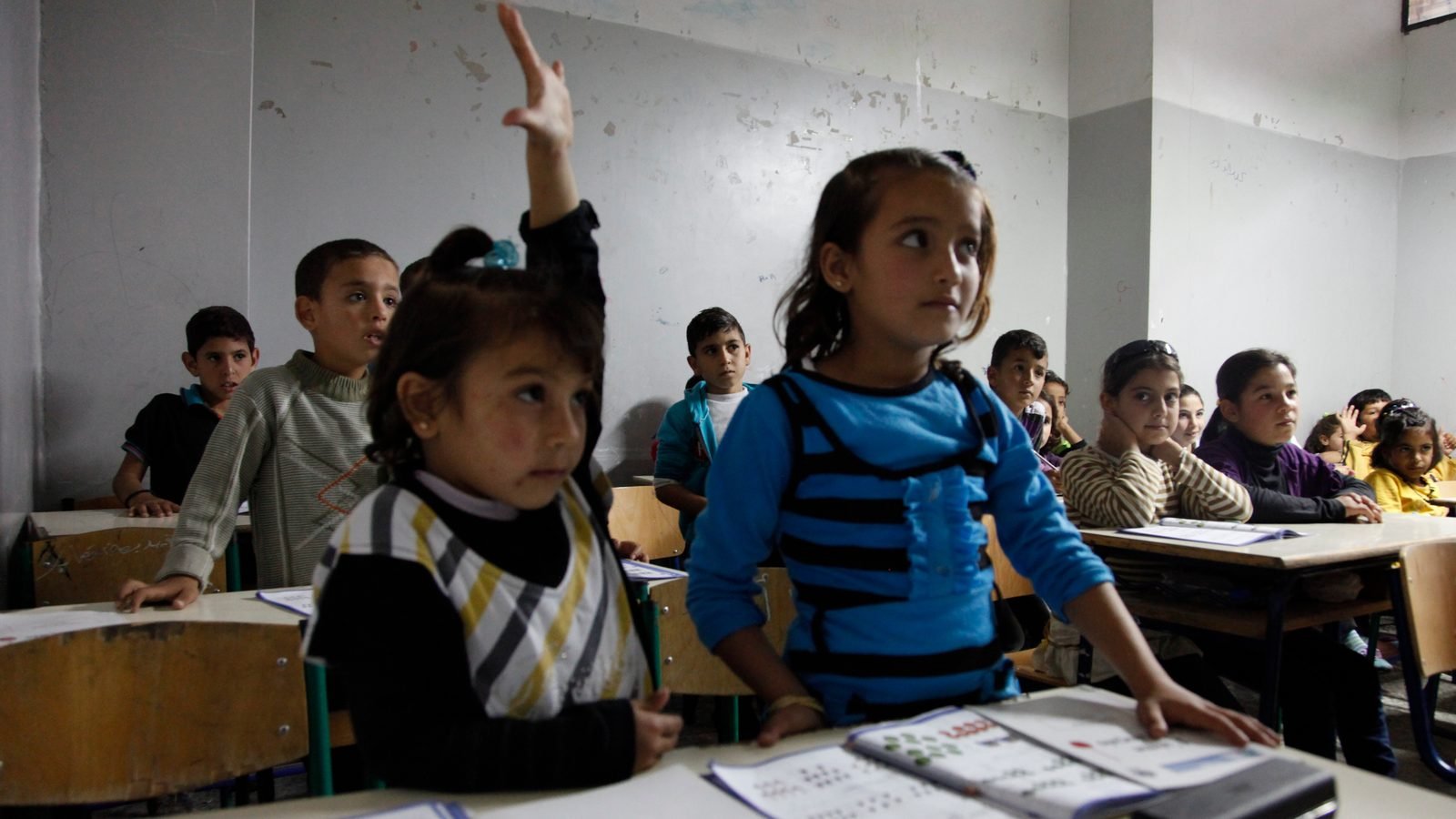
For students displaced from southern villages, Jawad proposed keeping them enrolled in their original schools while transferring them to institutions in areas receiving displaced persons, or adopting distance learning or blended education models depending on circumstances and capacity.
Teachers who have fled their villages should be quickly assigned to schools in their new locations rather than burdening school funds or parent councils with additional costs, he said. The public schools in receiving areas already lack sufficient teaching staff.
School fund committees cannot substitute for government provision of teaching personnel, Jawad stressed. The funds are already under strain from accumulated debts, with portions allocated to retained staff salaries and maintenance rather than educational development.
Some schools have borne the cost of hiring large numbers of workers over recent years, exhausting their financial capacity while management awaits delayed payments. Any new funds reaching school committees should first address accumulated debts rather than creating additional state responsibilities that rest with government.
Starting the academic year in the south despite ongoing attacks is feasible but requires removing obstacles and establishing a clear plan, he said. Schools in forward villages and occupied areas, as well as those currently housing displaced persons, need a flexible strategy accommodating multiple scenarios from in-person to blended or distance learning, or full relocation of classes to buildings in receiving areas.
Jawad gave the example of transferring students from southern villages to available facilities in Tyre, Sidon or other areas, allowing education to continue while the original schools remain administratively active pending residents' return.
The ministry meeting tomorrow should address three core questions: the fate of students, the fate of teachers, and the situation of contractors and workers in schools disabled by the war. Teachers who have relocated should not find themselves without work or position simply because their original school is now unsafe, he said, proposing they be temporarily assigned to schools in their new areas, whether in the suburbs, Sidon, Tyre, the Shuf or elsewhere.
The education ministry should not wait for developments in the conflict to make decisions but instead devise a clear and flexible plan ensuring continued teaching, protecting schools and staff, and maintaining the presence of public education in border and occupied villages until residents return.