
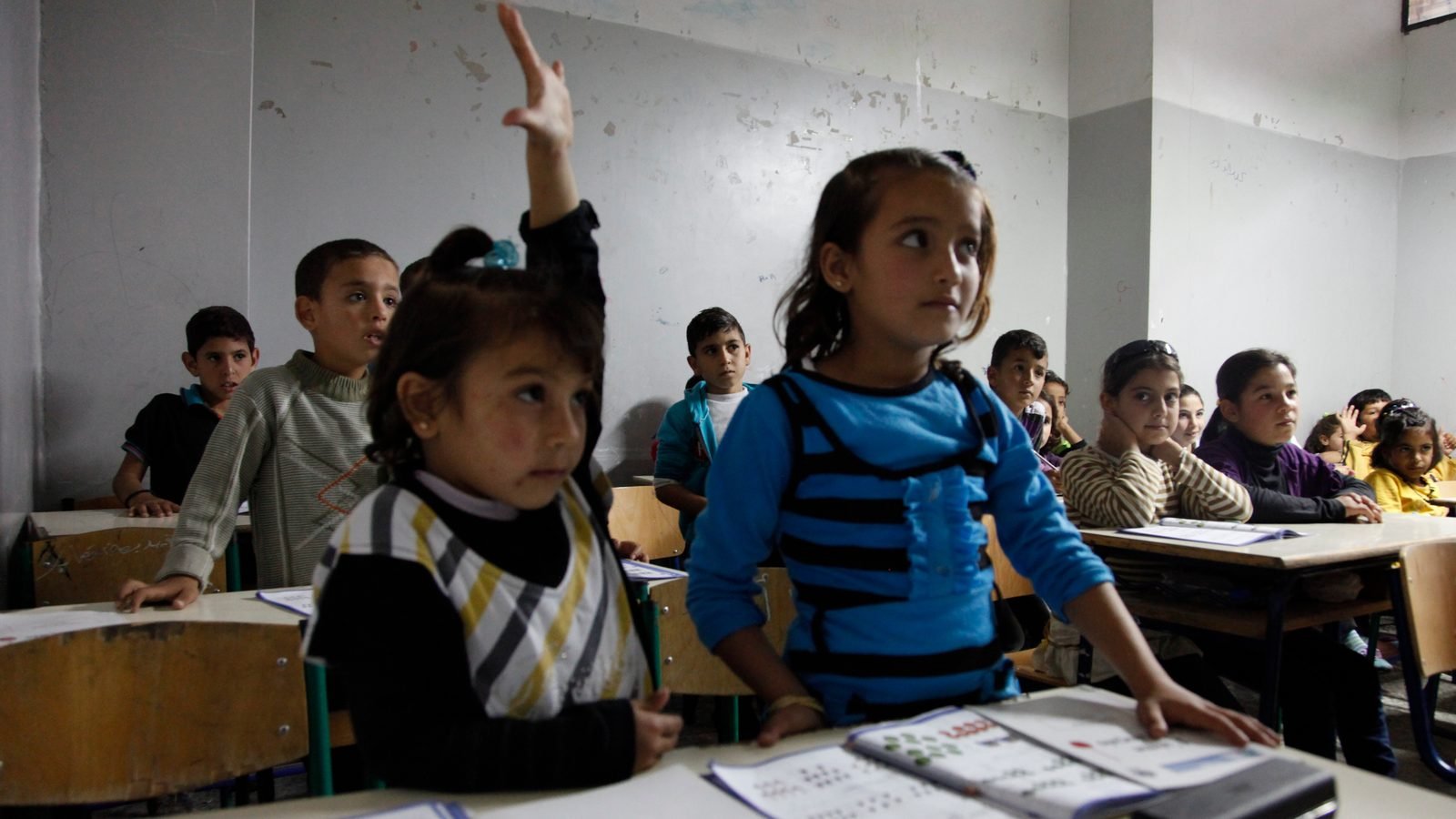
Around 300 Lebanese students across 26 schools participated in structured debates on religion, identity, faith and science as part of the Adyan Foundation's education for coexistence programme.
The Adyan Foundation's Debates on Controversial Topics project brought secondary-school students together during the 2025-2026 academic year to examine sensitive subjects including religious diversity, freedom of belief, pluralism, hate speech and the relationship between faith and science.
The initiative grew from the foundation's Alwan Education for Coexistence program, which has operated since 2007 and expanded from a single school to more than 90 schools across Lebanon, France and Iraq. Educators had identified a persistent constraint: insufficient time for students to investigate competing positions in depth or develop sustained arguments.
The project adopted the Lincoln-Douglas debate format, with one-on-one debaters supported by research teams. Students prepared arguments and counterarguments within structured speaking times and preparation periods.
Of the approximately 300 participants, 128 engaged in school-based debates while 35 joined interschool debates focused on the relationship between faith and science. Topics that drew particular interest included cultural heritage, freedom of religion and belief, and faith and science.
Students were sometimes asked to defend positions that did not reflect their personal convictions, requiring them to research and understand opposing viewpoints in depth. The exercise aimed to develop their capacity to engage seriously with different perspectives rather than to change their beliefs.
Ninety-nine percent of participants reported having sufficient space to express themselves, while 89 percent found the topics engaging. Sixty-eight percent said they benefited greatly, and 94 percent indicated they would participate in future debates. Among those who reported specific gains, 33 percent cited a better understanding of different perspectives and 27 percent said the experience helped them express their opinions with greater clarity and confidence.