
A decades-old waste site in Akkar's Sarar district faces resistance to accepting waste from outside the region, amid concerns about contamination of water, agricultural land and schools.
The Sarar landfill has operated for over thirty years, reshaping the lives of surrounding villages. Residents now face environmental, health, economic and educational consequences from the site's presence.
Debate has shifted beyond the existing waste stored in Sarar to the possibility of receiving waste from Tripoli and other areas outside Akkar. This prospect has triggered widespread political, municipal and popular opposition, with declarations that the governorate will not become a dumping ground for waste from other regions.
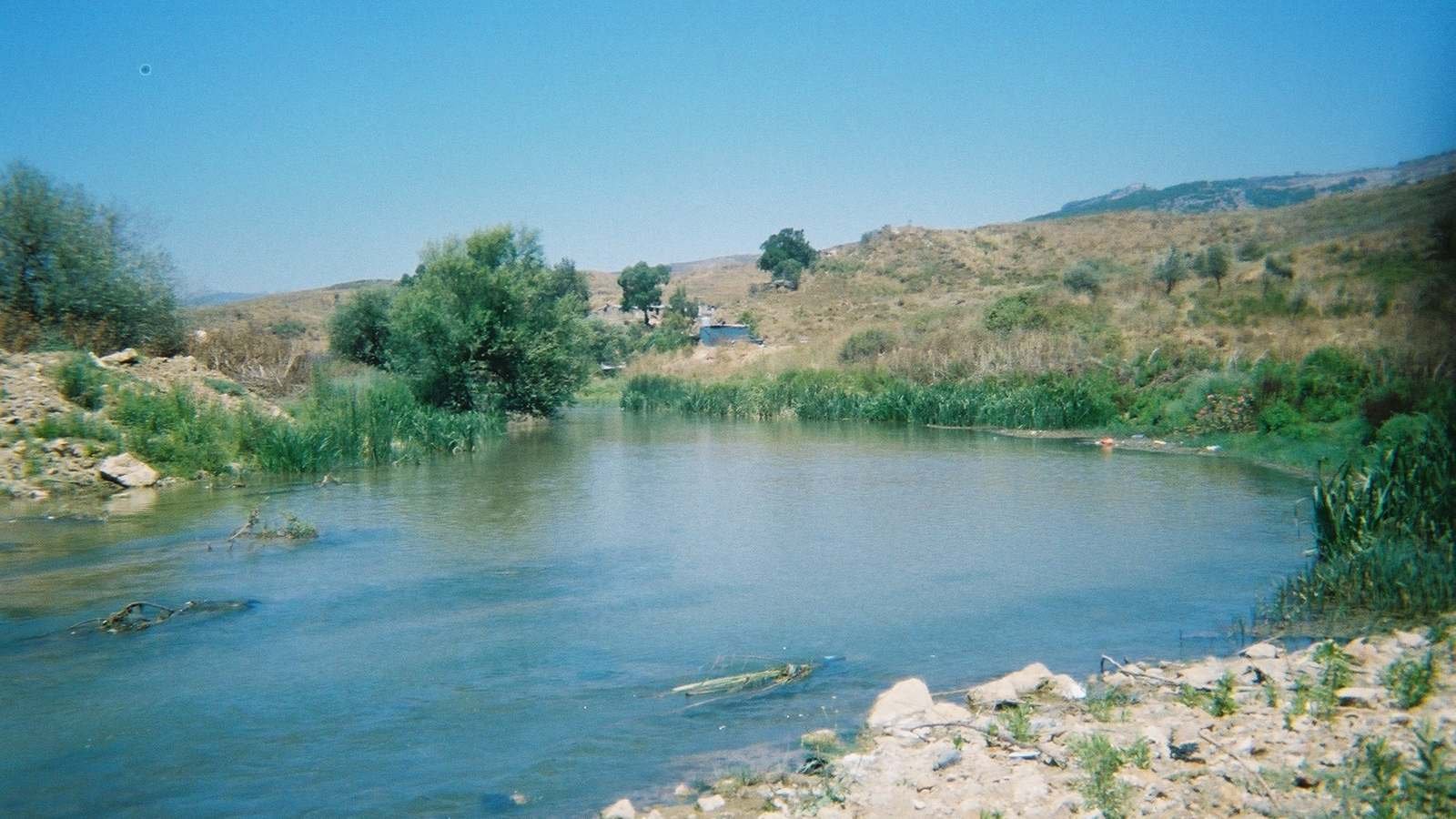
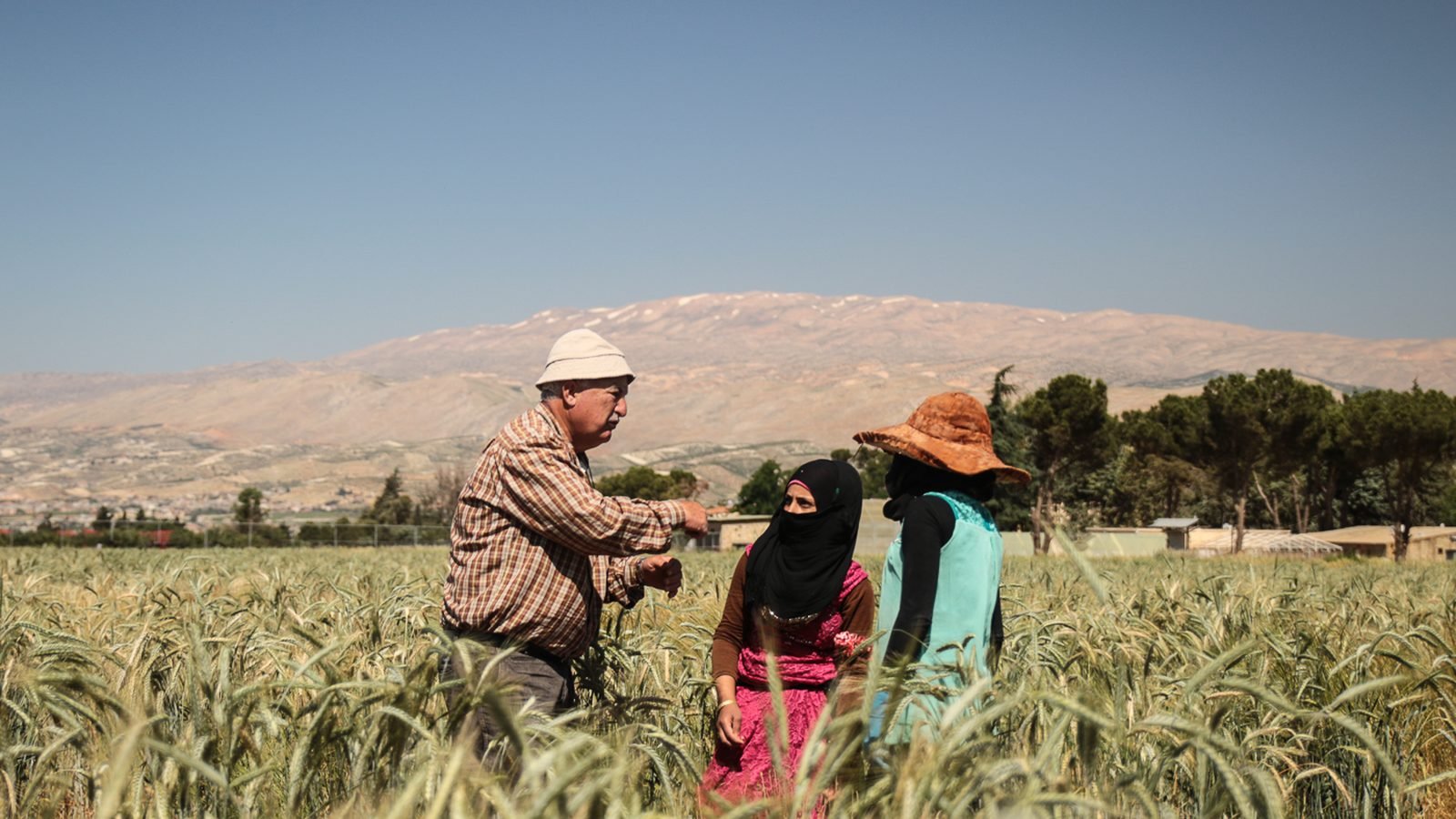
The landfill sits near a water course, allowing pollutants to seep into water supplies and soil, particularly affecting farmland in the Akkar plain that forms a pillar of local agriculture and economy. Fires at the site send emissions to surrounding villages, adding environmental strain on residents and farming.
Residents describe pollution filtering into daily life. Fires nearby have affected schools, and in some cases smoke and odours have forced school closures and disrupted classes.
The World Bank is funding a waste management development project at Sarar, raising a fundamental question about its purpose. Will it address a decades-old problem or reorganise the landfill to accept larger quantities from outside the governorate? No clarity exists on volume limits, responsibility for oversight, or protection of water supplies, residents and nearby schools.
Akkar's waste crisis reflects a broader deficit in Lebanon's waste management system across the North. Temporary measures have replaced sustainable systems for sorting, treatment and monitoring, with costs borne not by budgets alone but by public health, agricultural land, local economy and environment.