
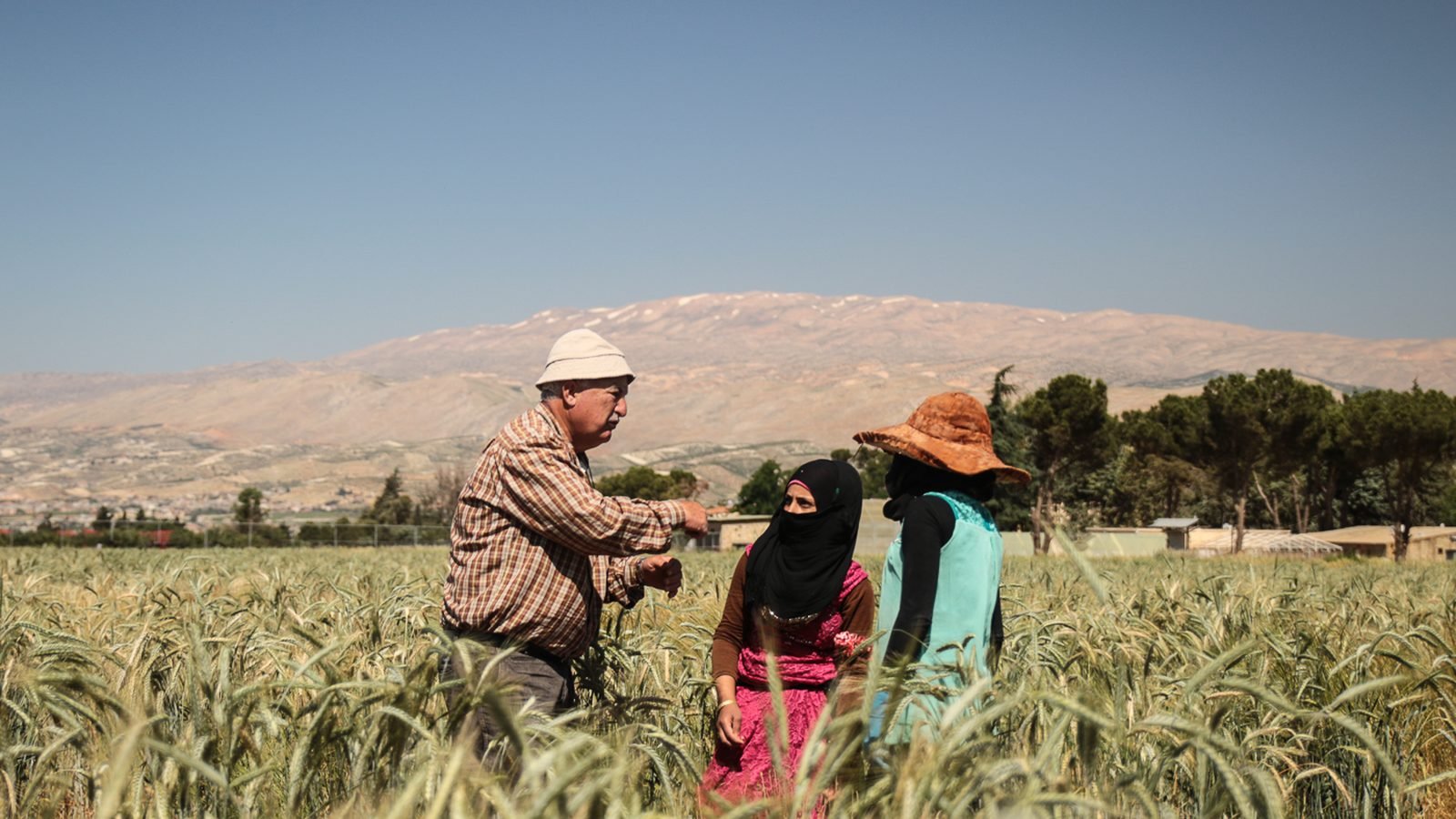
Attacks on agricultural land in southern Lebanon and the Bekaa have disrupted harvests and livelihoods, compounding losses from drought and water shortages.
Israeli military operations have damaged more than 56,000 hectares of agricultural land across Lebanon, the Ministry of Agriculture said. The strikes have particularly affected southern Lebanon and the Bekaa and Baalbek-Hermel governorates, regions where farming is a primary source of income and livelihoods.
The attacks have disrupted harvests and market activity, preventing farmers from accessing income-generating opportunities in the short term. Many operations involved the use of internationally prohibited substances, including white phosphorus, according to the source material.
Israeli strikes have also damaged the country's water networks, with some hitting deep underground and altering geological features. The damage has obstructed irrigation channels and water flows in affected areas.
Farmers face additional pressure from drought conditions that have significantly impeded efforts to resume normal agricultural activities. Chronic and intermittent water shortages have compounded difficulties, with farmers reporting exponential increases in losses of fruit and vegetable crops.
The Lebanese government and the United Nations, supported by the European Union, launched a joint initiative early this month to assist farming households affected by conflict and protect agricultural livelihoods. The intervention involves the Ministry of Agriculture, the World Food Programme, and the Food and Agriculture Organization.
Separately, Oxfam launched a project supporting dairy farmers in northern Lebanon in partnership with the Italian Agency for Development Cooperation and the local chamber of commerce for Tripoli and the north.