
As Israeli forces destroy villages in southern Lebanon, residents and heritage groups are collecting photographs, documents and oral histories to preserve the region's cultural memory before it disappears.
Filmmaker Adib Farhat has been gathering archives of the South, recently receiving small paintings and old magazines of southern Lebanon landscapes for his Beirut office. He evacuated part of his archive from the village of Arabsalem after the war between Israel and Hezbollah began on March 2, a conflict partially frozen by a ceasefire on June 20.
The Israeli military continues daily house demolitions in the partially occupied zone and conducts air raids nearby. Since the first ceasefire in April, more than 20 border villages have been flattened. Israeli forces withdrew from the town of Zoutar West on July 28, though demolitions persist in other areas.
Farhat is collecting everything connected to southern Lebanon's history and the recent war: photographs, objects, books and oral testimonies. The region endured decades of repeated conflicts linked to Israel before Hezbollah, the Iranian-backed Shia militant movement, emerged in the 1980s. Israel occupied the South from 1978 to 2000.
Farhat said he is motivated not by a desire to discuss war but by a need to prevent his story from being forgotten. He plans to launch a digital museum and then open a cultural centre in the South when conditions stabilize, adding that archival work allows residents to support their narrative and tell their own story.
Farhat was a curator of the exhibition "Hakili Ya Janub", which addresses regional memory and returns in September to the Beit Beirut museum. The exhibition combined personal and historical memories and allowed visitors from the South to rediscover their villages through a detailed wall map gradually filled with photographs.
Exhibition co-curator Delphine Darmency said the exhibition gathered more than 460 photographs representing over 35 villages, showing family moments, homes and landscapes, while the tobacco administration provided images of farmers. Tobacco cultivation is a major crop in the South.
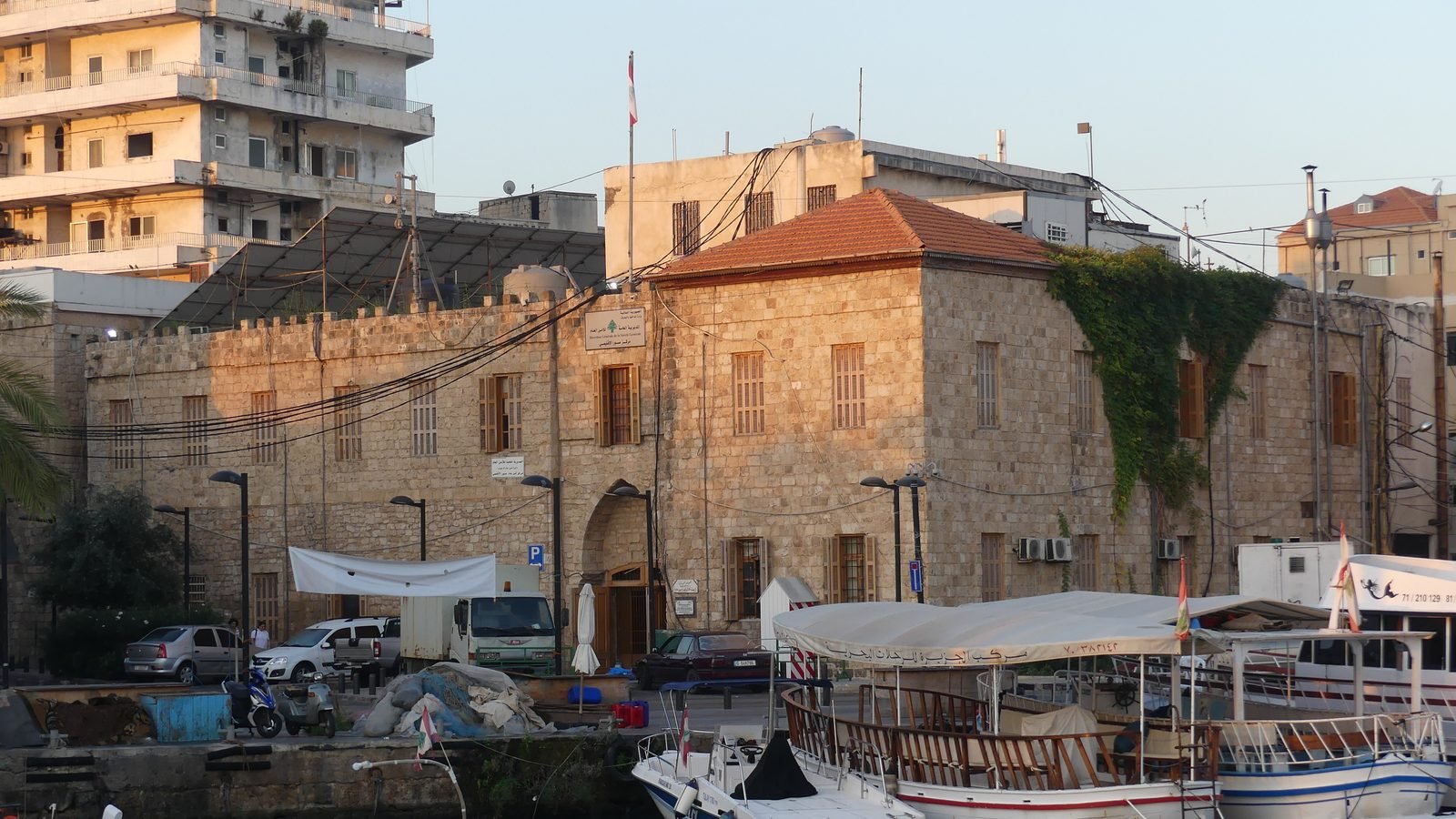
The heritage society Biladi, which specializes in protecting cultural heritage, has collected video footage and testimonies from residents and works with architecture students at the Lebanese University to compile an inventory of historically valuable buildings in the occupied zone, including markets, mosques, shrines and old houses.
Biladi director Joan Bjali said the society wants to highlight the value of architectural heritage that had been overlooked but has become known because of the war, and to explain the scale of destruction. A history spanning hundreds of years is not only a tragedy for the South's residents but for all Lebanese, she added.
Kafranbil, near Tel Ali al-Tahir which Israel seeks to control, is among the most damaged villages by current demolitions. Israel justifies destroying villages as militarily necessary, saying Hezbollah built extensive underground infrastructure there. Bjali countered that there is a clear attempt to erase the South's history and land.
The Mirzah house in Nabatiyeh, built in 1936 and known for its architectural value and social role, was demolished, Bjali said. In Nabatiyeh, as in Khiam and Bint Jbeil, border towns with Israel, historic landmarks were at the centre of demolition operations.
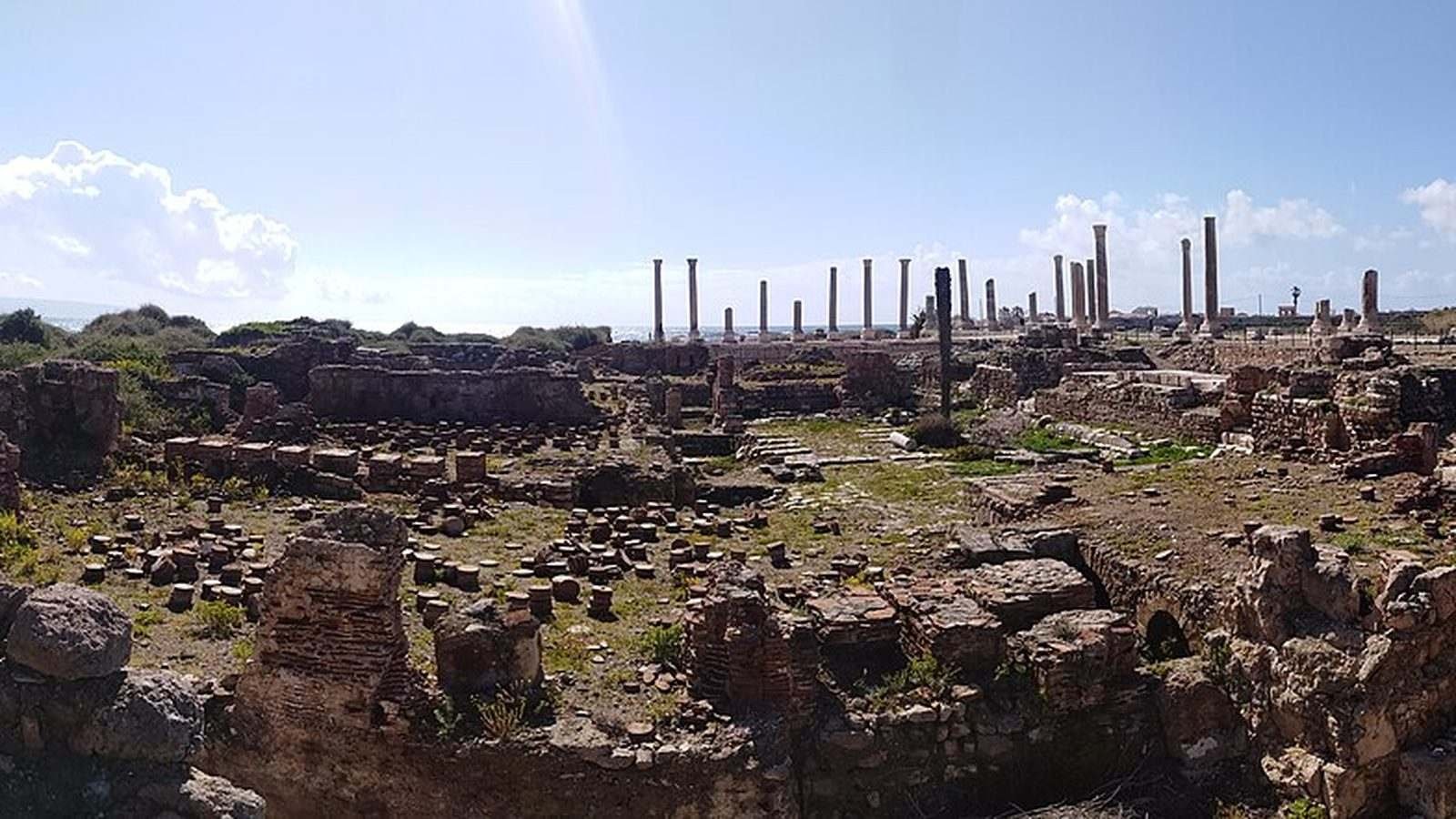
Biladi plans to organize an exhibition documenting the destruction. Its ongoing heritage building census project is expected to benefit from a partnership with the Culture Ministry. In July, the ministry successfully registered five southern castles on UNESCO's list of endangered world heritage sites.
Culture Ministry advisor Ghassane Salameh aide Jad Tabit said several local societies and groups are currently helping expand archives related to these sites. The ministry launched an appeal in July to protect the South's cultural memory.
Farhat sees state action as insufficient, though he acknowledges it is "helpless before the Israeli killing machine". Bjali regretted that more societies are not engaged in the effort relative to the scale of tragedy, as the race to preserve southern history continues before demolitions erase its physical traces.