
United Nations peacekeeping forces are transferring military positions to the Lebanese Army as part of a planned withdrawal by the end of 2024.
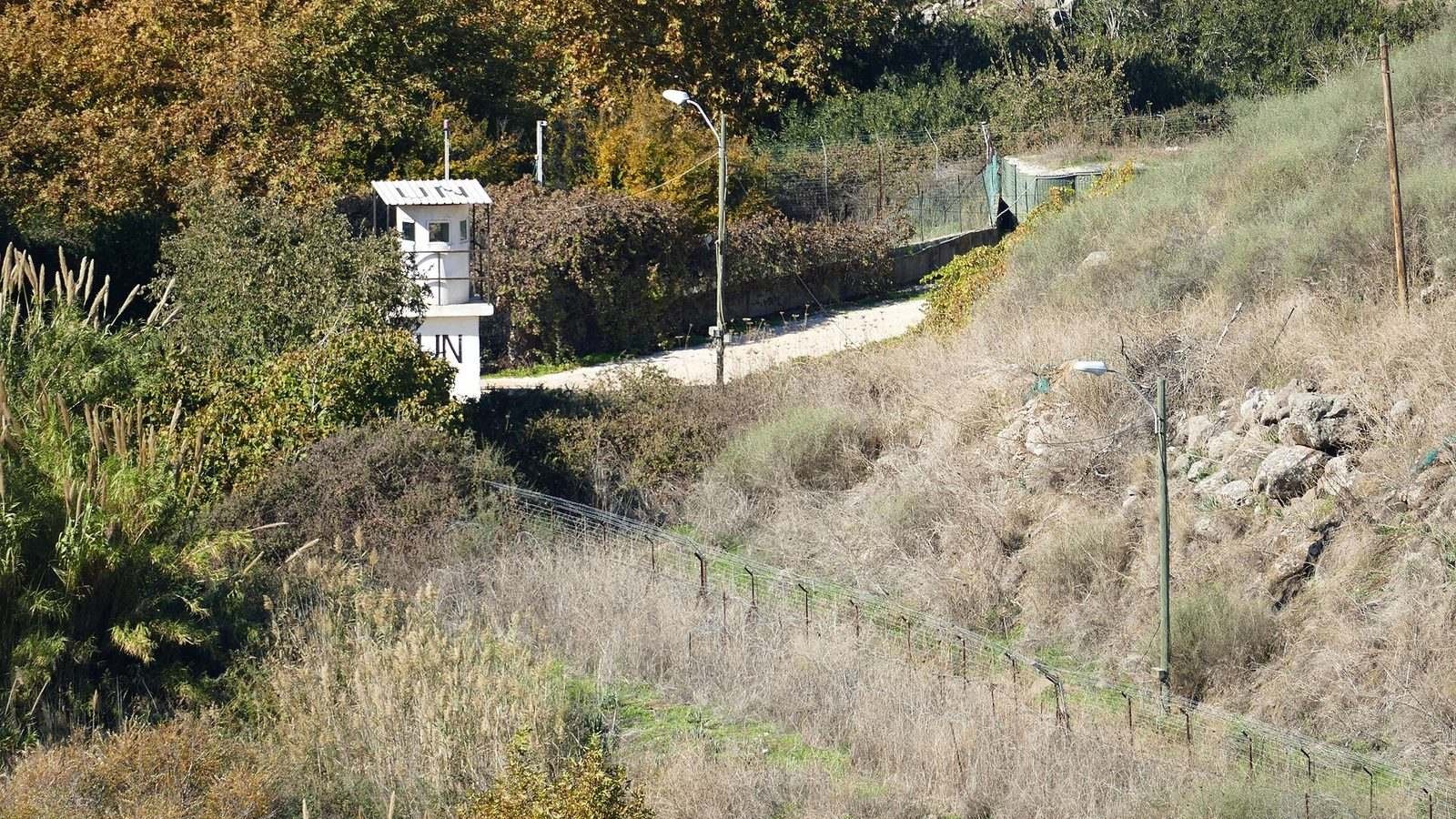
The United Nations Interim Force in Lebanon (UNIFIL) has handed over a position in the Khardali area near the Litani River to the Lebanese Army's Seventh Brigade. The transfer is the first of several positions UNIFIL will surrender to Lebanese forces as part of a broader withdrawal plan mandated by a UN Security Council decision to end the international mission by year's end.
The handover marks a significant shift in security responsibility for southern Lebanon, a region that has been under international peacekeeping oversight for decades. UNIFIL's presence in the area has been central to monitoring the ceasefire along the Israel-Lebanon border and preventing cross-border violence.
The transfer of the Khardali position to the Seventh Brigade is part of a comprehensive plan to strengthen the Lebanese Army's deployment across the south. As UNIFIL positions are vacated, the Lebanese military is expected to assume full control of the areas the international force once occupied.
The UN Security Council decision to end UNIFIL's mandate reflects changing circumstances in the region and represents a confidence in the Lebanese Army's ability to manage security in the south on its own. The deadline for the complete withdrawal is the end of 2024.
The Lebanese Army has been gradually expanding its presence in the south in recent years, and the UNIFIL handover accelerates this process. The Seventh Brigade, which received the Khardali position, is among the main Lebanese units operating in the border region.
The transition raises questions about how effectively the Lebanese Army alone can maintain stability in the south without UNIFIL's international presence. The south has long been a flashpoint for regional tensions, with various armed groups operating in parts of the territory.
Previous attempts to strengthen Lebanese Army control in the south have faced obstacles, including limitations on the military's resources and the presence of Hezbollah-linked forces that operate outside formal state structures. The UNIFIL withdrawal proceeds despite these underlying challenges.
The handover of the Khardali position represents the first concrete step in what is expected to be a phased transition over the remaining months of 2024. Additional positions held by UNIFIL are expected to be transferred to Lebanese forces in the coming weeks and months.
The Lebanese Army will now be solely responsible for security operations at the Khardali position and will need to maintain surveillance and patrol operations in the area as part of its broader mandate in the south. How the transition progresses in the coming months will be closely watched by international observers and regional actors concerned with stability along the Israel-Lebanon border.