
President Joseph Aoun will travel to Italy this week to press for Israeli compliance with a framework agreement on the Lebanese border and discuss arrangements for UN peacekeeping forces in the south.
President Joseph Aoun has reaffirmed Lebanon's commitment to implementing a framework agreement with Israel, demanding pressure on the Israeli government to honour its terms. His statement emphasises the halting of house demolitions, property destruction and the targeting of civilians, citing recent incidents in the villages of Ansar and Zahrani.
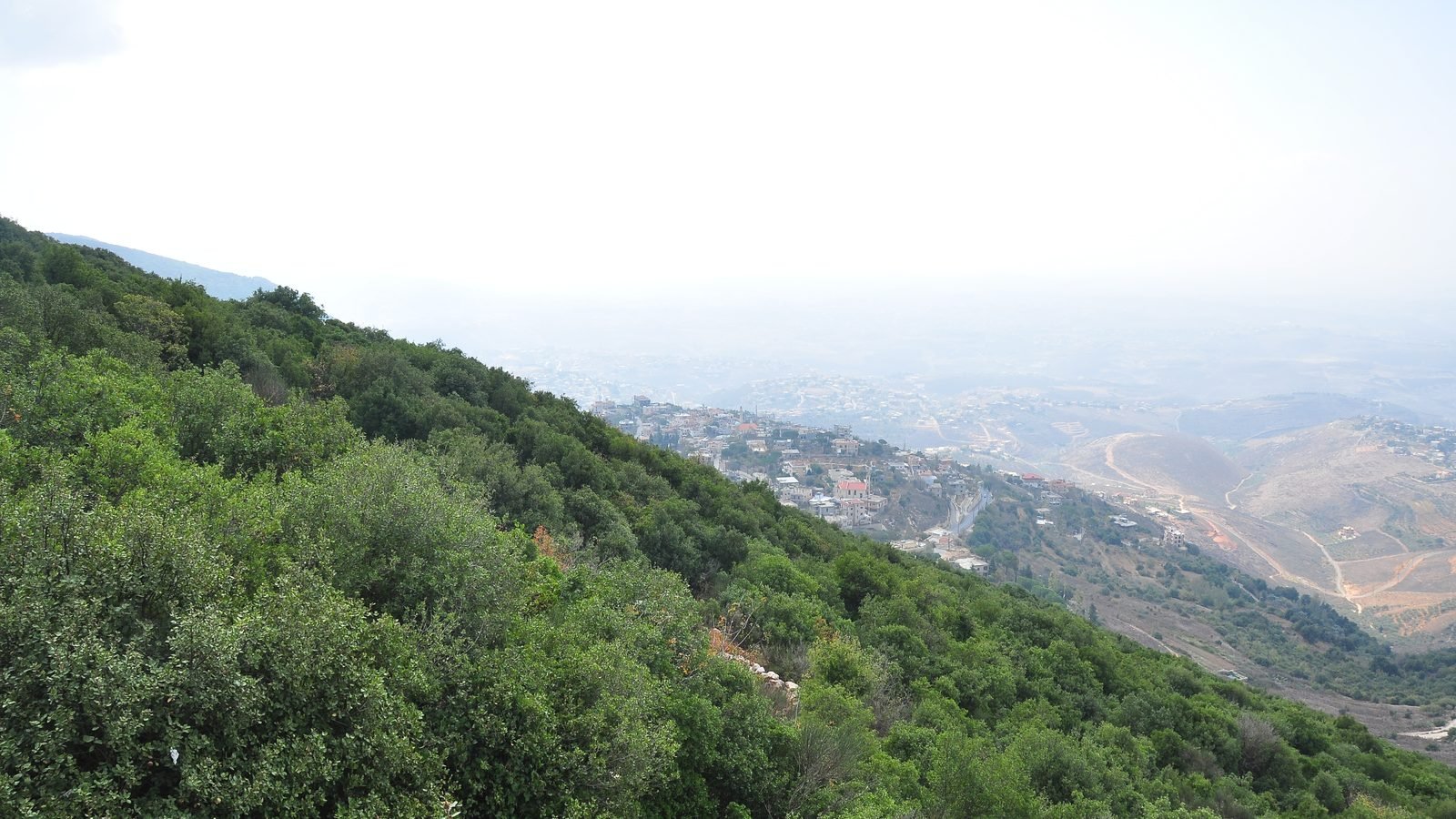
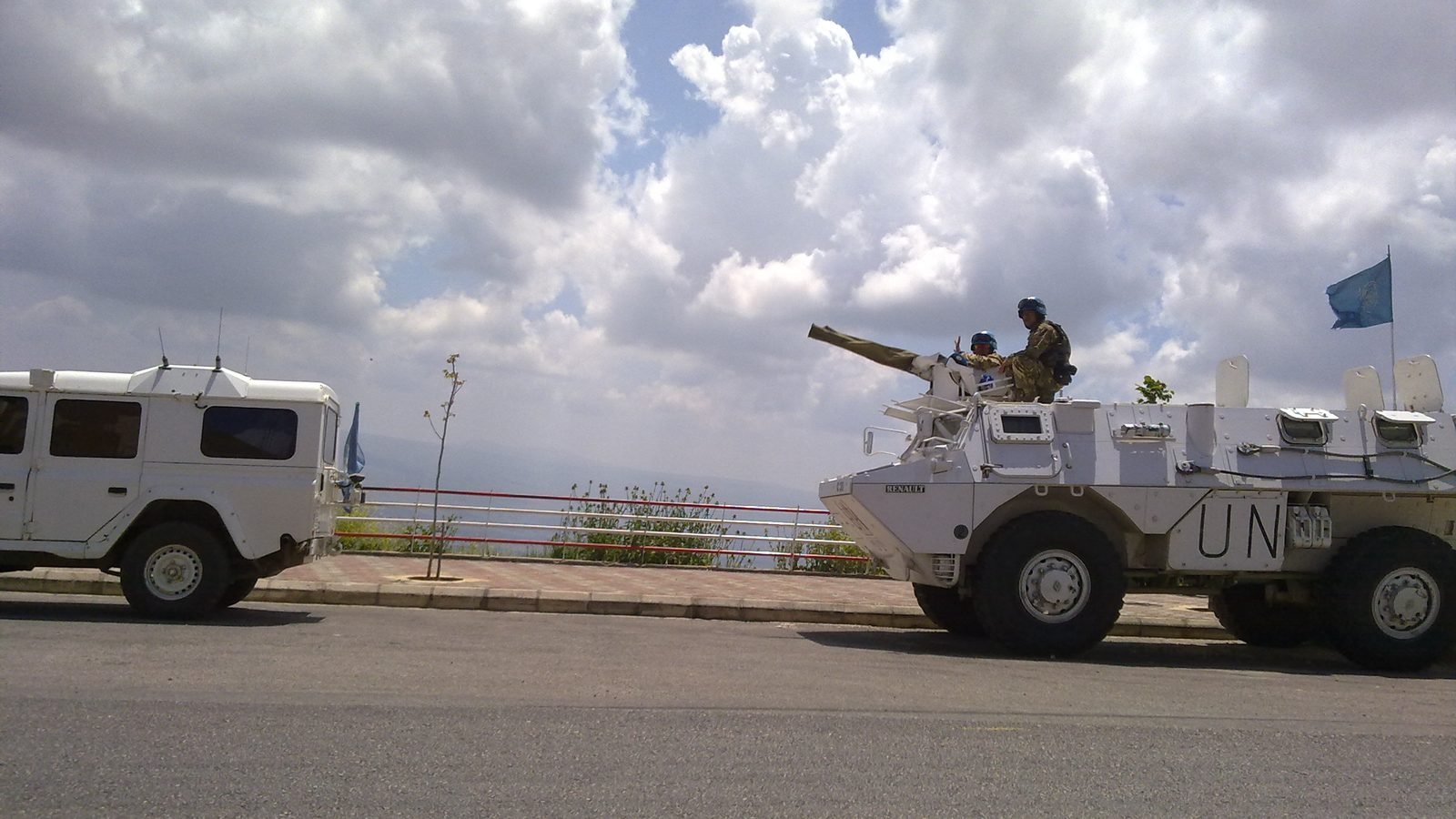
Aoun's position comes ahead of a planned visit to Rome, which has hosted two previous rounds of Lebanese-Israeli negotiations aimed at cementing the agreement and exploring mechanisms for its implementation. The talks will also address the situation in the south and the presence of UNIFIL, the United Nations interim force deployed along the border.
Sources close to the presidency said Aoun will begin his Rome visit on Thursday with an audience with Pope Francis, followed by meetings on Friday with Italian President Sergio Mattarella and Prime Minister Giorgia Meloni. The President plans to brief the Pope, who has previously expressed concern about Lebanon's conditions, on the country's political and social situation and to request the pontiff's support for Lebanon based on his moral authority on the international stage.
Aoun's meetings with Italian officials will serve to thank Rome for hosting the negotiation rounds, according to the sources. He will discuss the situation in the south and the UNIFIL file, particularly given that Rome and Paris have previously proposed a contingent alternative force should the international peacekeeping mandate not be renewed.
The President will also request continued Italian support for Lebanon, given Italy's prominent role within UNIFIL both in leading the force and in the scale of Italian participation. Italy's involvement in the peacekeeping mission gives it significant leverage in discussions about the force's future composition and mandate.
The framework agreement between Lebanon and Israel, mediated by the United States, aims to establish a ceasefire and create mechanisms for resolving disputes along the border. The accord has been a focal point of diplomatic efforts to stabilize the region following years of cross-border tensions and military incidents.
Recent violations of the agreement's terms have strained implementation efforts. The demolitions in Ansar and Zahrani, which Aoun cited in his statement, represent the kind of breaches that Lebanon argues threaten the viability of the accord and the broader goal of establishing durable peace along the border.
Italy's diplomatic role in hosting negotiations reflects broader European interest in stabilizing Lebanon and the Eastern Mediterranean. By framing his visit as an opportunity to thank Italy while seeking its continued backing, Aoun is positioning Rome as a key partner in consolidating the border agreement and protecting Lebanese interests in south Lebanon.
The outcome of Aoun's meetings will likely shape Lebanon's next moves in enforcing the framework agreement and in negotiations over UNIFIL's future. How Italy responds to requests for heightened pressure on Israel and sustained support for Lebanese positions will influence whether the agreement moves toward genuine implementation or faces continued deadlock over compliance and enforcement mechanisms.