
The deputy criticises the government's handling of talks with Israel, questioning the decisions and guarantees that preceded the current escalation.
Jamil al-Sayyed has attacked the official approach to negotiations and recent developments with Israel, questioning the positions that preceded the current escalation and the calculations that accompanied the framework agreement and meetings held in the past period.
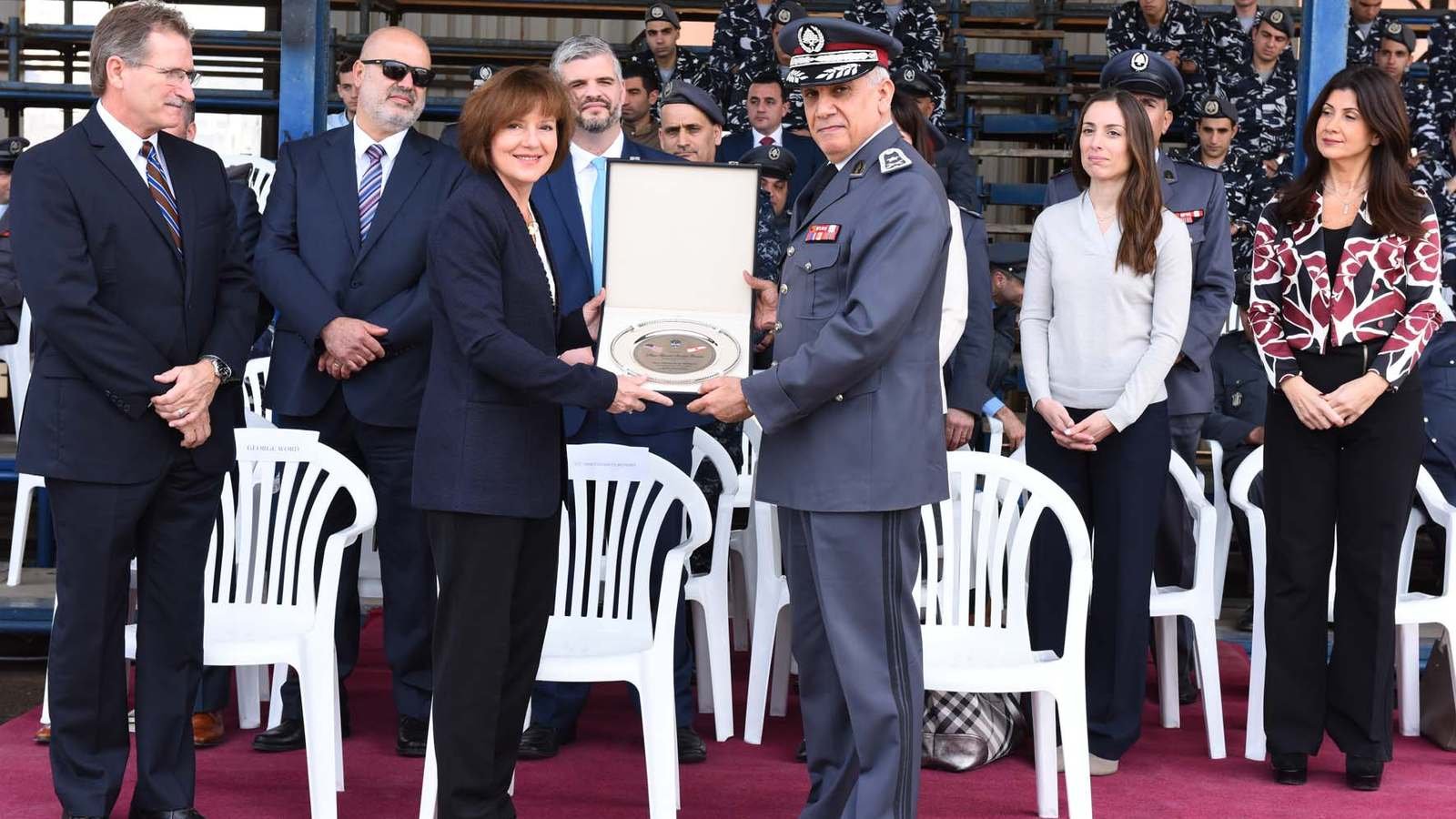
In remarks on the shift in policy, al-Sayyed asked why officials had held ceremonies celebrating sovereignty, solicited statements of support for direct negotiations, made concessions in the framework agreement, and celebrated the success of visits and meetings while offering assurances to the population.
"They trumpet the guarantees, and then today they act shocked at Israeli treachery," al-Sayyed said. "But Israel did not betray them. We warned them here openly and repeatedly, and they knew."
Al-Sayyed's position comes as tensions rise in the south and political positions harden over the course of negotiations and the framework agreement. An internal debate has intensified over the results of the state's negotiating strategy and the guarantees that accompanied it, and over how those guarantees have reflected on developments on the ground.
The framework agreement, brokered by international mediators, was meant to establish terms for talks between Lebanon and Israel over disputed maritime and land boundaries. Officials had publicly tied the success of negotiations to diplomatic visits and international guarantees of enforcement, creating public expectations about what the talks might achieve.
Al-Sayyed's criticism reflects a broader fracture in Lebanon's political consensus over whether the negotiating process has served the country's interests. Some factions have argued that the government gave away leverage too early, while others have defended the diplomatic effort as the best available option under difficult circumstances.
The deputy's charge that officials "knew" what Israel's intentions were suggests he believes the government proceeded with negotiations despite doubts about Israeli good faith. This claim strikes at the heart of the legitimacy of the process itself, implying that whatever gains the talks may have promised were always unlikely to materialise.
Rising military activity in the south has complicated the political picture. Incidents over recent weeks have fed al-Sayyed's argument that the negotiations have failed to produce the security assurances the government promised, raising questions about what the framework agreement was actually worth.
What happens next depends partly on whether the government can defend its negotiating record or whether political pressure forces a change in approach. Al-Sayyed and his allies appear to be positioning themselves to demand a full accounting of what was discussed, what was promised, and what the state received in return. The government has not yet responded in detail to these allegations.