
Israel shows no sign of withdrawing from southern Lebanon before its October elections, with Defence Minister Yisrael Katz stating the military will remain until Hezbollah is fully disarmed, as the United States pursues new rounds of direct negotiations between Beirut and Jerusalem.
Israeli military operations are intensifying across southern Lebanon with no indication of withdrawal in the near term. Defence Minister Yisrael Katz said this week that Israel will not leave the areas it controls in the south until Hezbollah is completely disarmed and military threats are removed. Prime Minister Benjamin Netanyahu has indicated that Israeli forces will remain at least until the October elections. Katz instructed the military to prepare for an extended presence to protect communities in northern Israel.
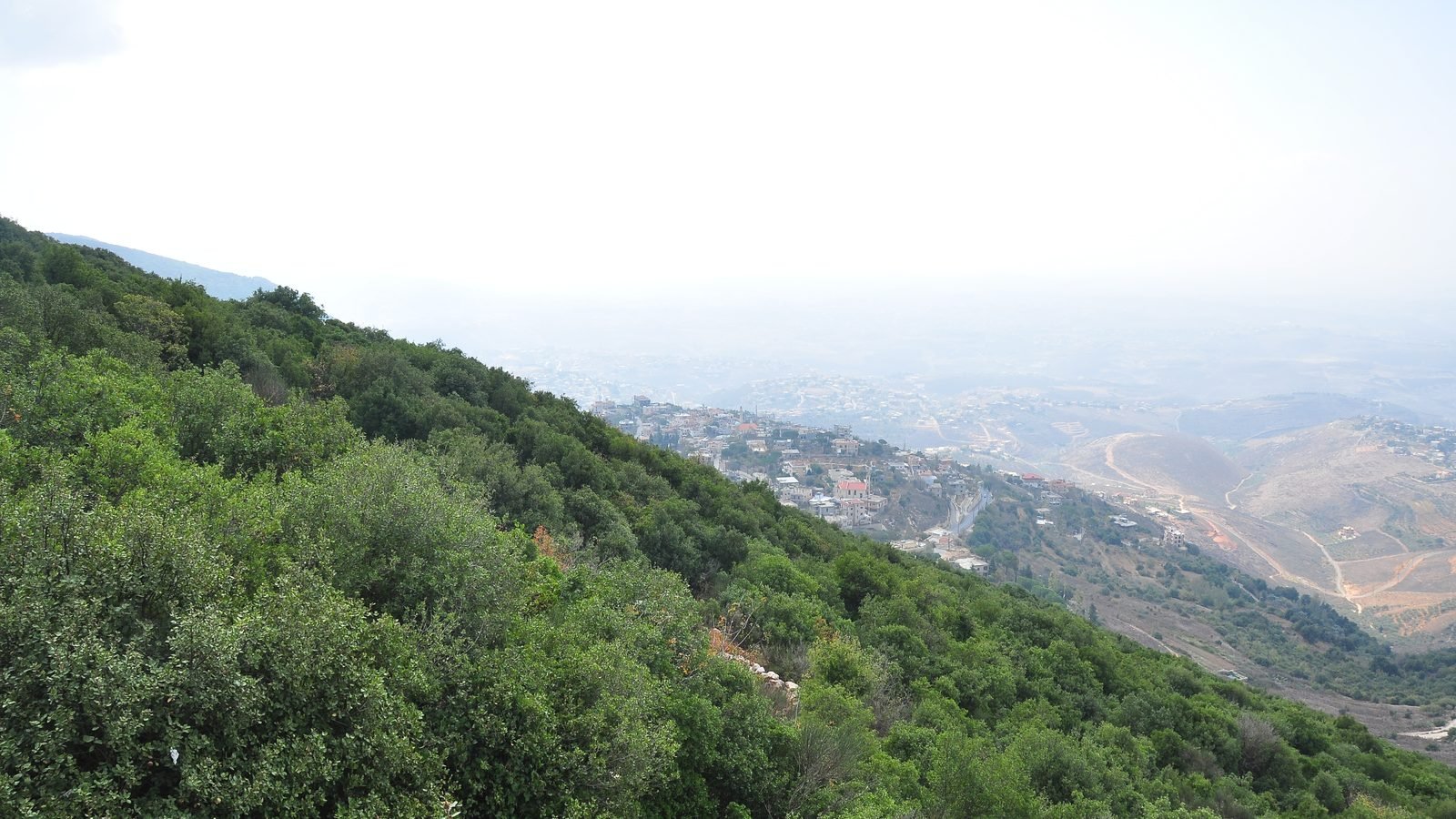
The military campaign has accelerated in recent days. Israeli forces have destroyed homes across southern villages, demolished residential buildings to prevent civilians from returning, and carried out heavy artillery strikes. Strikes on Thursday and Friday targeted Mansouri, Maghdel Zoun, Beit Yahoun, Hadathah, Bani Hayyan and Ali al-Tahir hill, which Israeli forces bombed with phosphorus munitions in preparation for occupation.
Meanwhile, diplomatic activity continues on a separate track. Lebanon and Israel are expected to hold another round of direct negotiations under American sponsorship, though US positions suggest Washington is aligned closely with Israel rather than acting as a neutral mediator. US Ambassador to Lebanon Michel Issa told Speaker Nabih Berri at Ain al-Tineh that developments would end when Hezbollah surrenders its weapons, a statement that underscores the American position.
President Joseph Aoun defended the framework agreement to visitors, characterizing it as preferable to war and saying negotiations are proceeding in the right direction. He has not publicly laid out conditions or objections to ongoing Israeli operations.
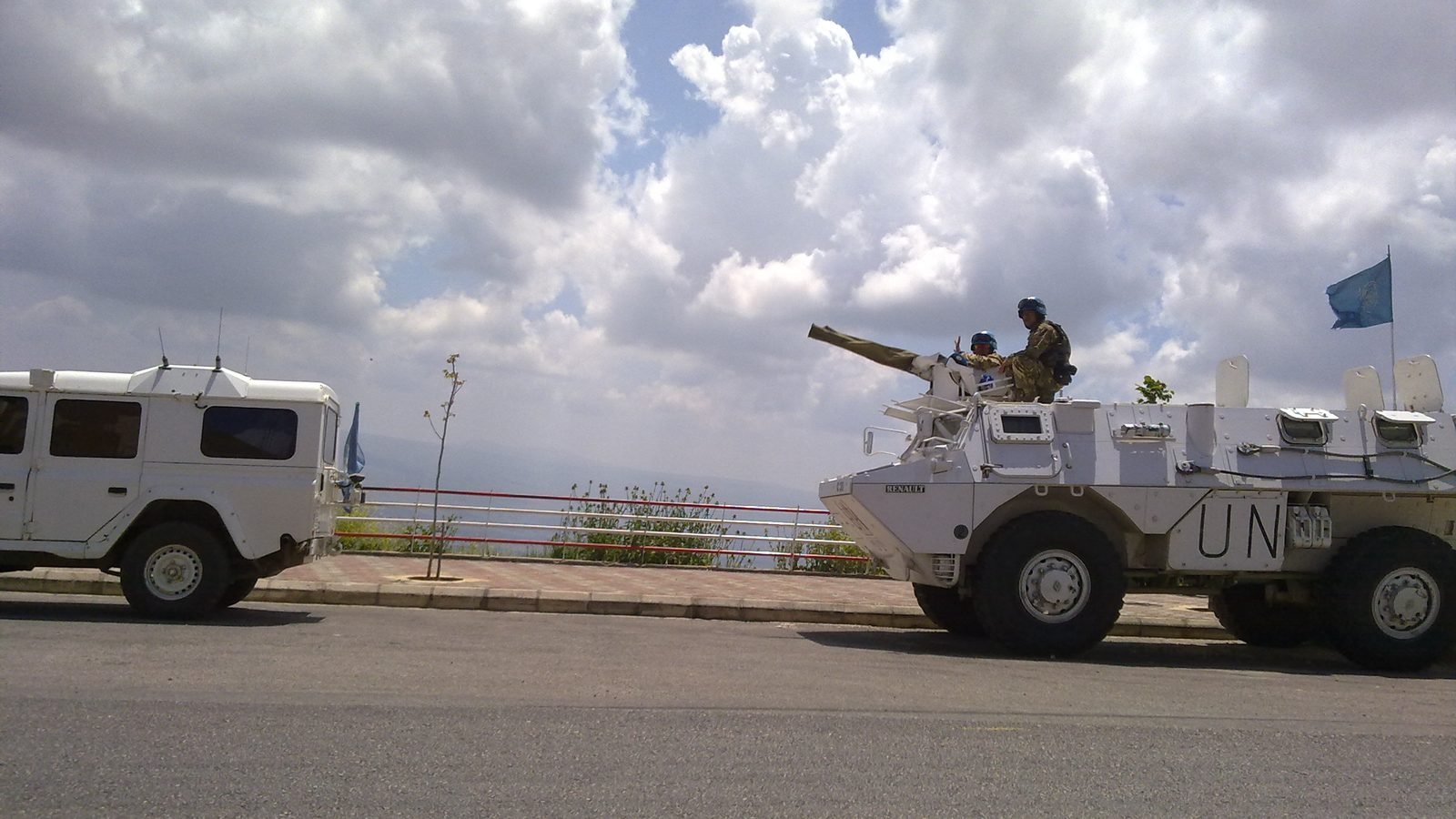
Speaker Berri took a different line, insisting on adherence to UN Security Council Resolution 1701 and calling for an extension of UNIFIL, the UN force deployed in the south which numbers 7,500 troops and whose mandate expires at year's end. Berri said the solution requires Israeli withdrawal to the Blue Line, deployment of Lebanese forces and international peacekeepers to maintain security in the south, and full implementation of Resolution 1701 by both Lebanon and Israel.
Berri made these points while receiving General Joseph Clearfield, who heads the US military coordination group for Lebanon, accompanied by Ambassador Issa and a senior military delegation. The discussions centred on border demarcation, prisoners and management of demilitarized zones. The military coordination appears to be part of direct US oversight of security arrangements and the ceasefire process.
At the Grand Serail, Prime Minister Nawaf Salam met the same American delegation. The discussion focused on the military aspects of the negotiating framework and developments on the ground. Salam emphasised that Washington must pressure Israel to halt its offensive operations, stop demolishing homes and cease expanding the demilitarized zones.
Hezbollah Secretary-General Naim Qassem renewed accusations that the Lebanese state is surrendering to American conditions. He reiterated his rejection of the framework agreement, asserting it is subordinate to US demands and therefore unacceptable.
The diplomatic and military tracks are now diverging sharply. While Israeli forces continue large-scale destruction in the south and show no sign of withdrawing soon, US-brokered negotiations proceed with Lebanese and Israeli delegations. The question of Israeli withdrawal, full disarmament of Hezbollah and the role of international forces remains contested between the parties, with the framework agreement itself under dispute within Lebanon's own political leadership.