
The Israeli army is preparing for possible days of renewed combat in Lebanon as escalation continues on the border, with airstrikes on Saturday killing at least 11 people.
The Israeli military is preparing for a possible return to extended combat operations in Lebanon amid ongoing escalation along the border. The army has signalled it will not withdraw from a tunnel complex in the Ali Taher heights in southern Lebanon, according to reports from Israeli media. The stance comes as violence has intensified despite a ceasefire agreement between Israel and Hezbollah that took effect in June.
Israeli airstrikes on southern Lebanon on Saturday resulted in at least 11 deaths, making them the deadliest strikes since the ceasefire began on June 20. The operations targeted areas including Ali al-Taher, Ansar and Deir al-Zahrani, according to statements from the Israeli military. The strikes were described as a response to what Israel said was an action against Israeli soldiers in the region.
The Israeli military said it struck what it described as Hezbollah infrastructure in the targeted areas. The office of Prime Minister Benjamin Netanyahu alleged that Hezbollah violated the ceasefire by attacking Israeli soldiers inside Lebanon, with the office saying the attack seriously wounded three soldiers. Hezbollah has not made a public statement confirming the incident.
The escalation marks a significant breach in the ceasefire arrangement that has held since June 20, when a deal brokered by international mediators took effect after months of cross-border fire. The agreement was meant to halt hostilities between Israel and Hezbollah, which had intensified over the preceding months. The Saturday strikes represent the most significant violation of that arrangement since it began.
Hezbollah has indicated it may retaliate in response to the Israeli airstrikes, according to reports, though the group has not specified how or when any response might come. The group has a history of responding to Israeli military action with strikes of its own, a pattern that helped fuel the earlier escalation. Any Hezbollah retaliation could further threaten the fragile ceasefire.
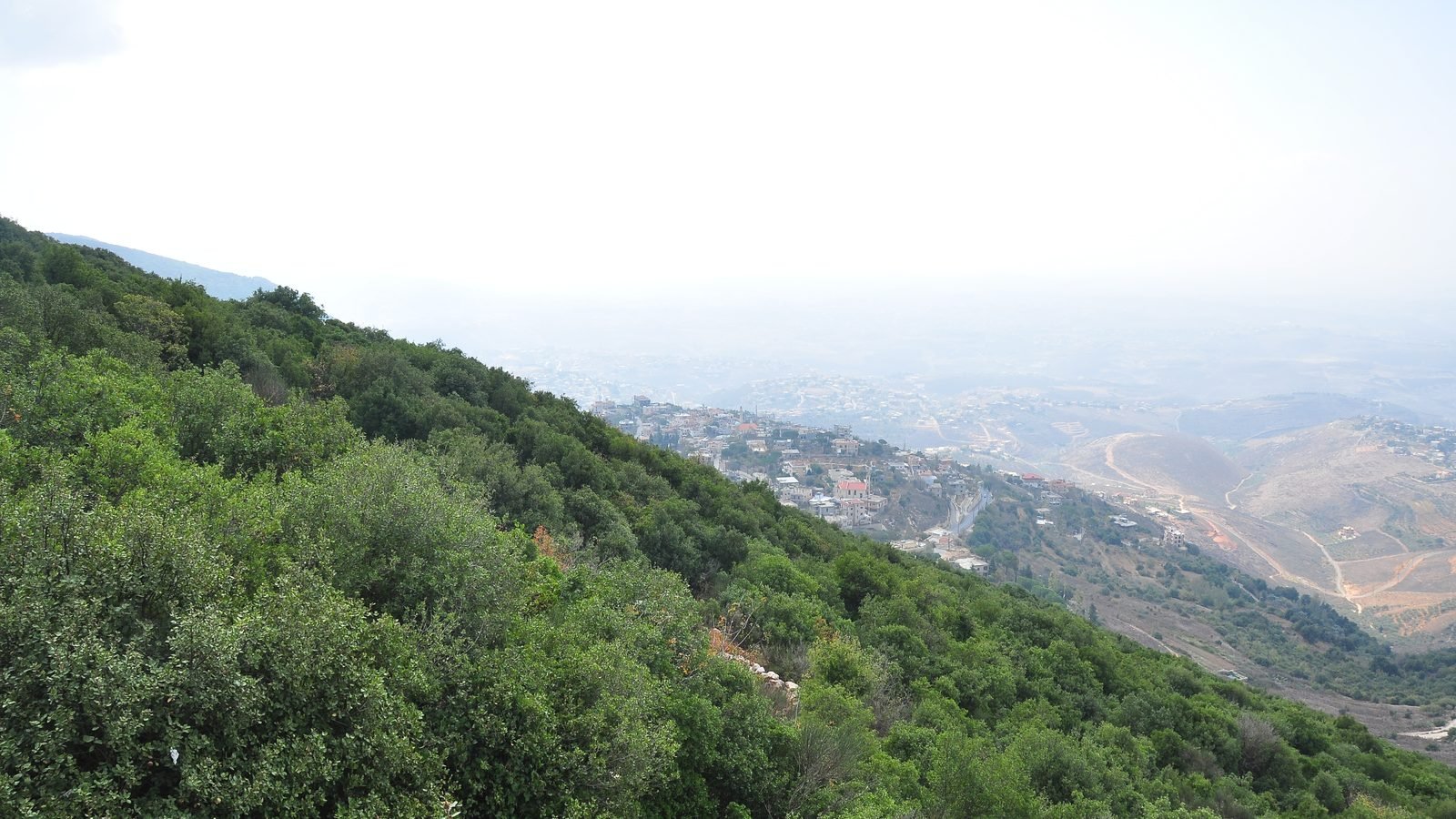
The tunnel complex in the Ali Taher heights has become a focal point of contention between Israeli forces and Hezbollah. Israeli forces have maintained control of the site since entering Lebanese territory, and the military's stated determination to hold it suggests Israeli officials view it as strategically significant. The refusal to withdraw from the position could become a sticking point in any future negotiations.
The ceasefire agreed to in June followed months of escalating attacks from both sides, with Israeli airstrikes targeting Lebanese villages and Hezbollah launching rockets and drones into Israeli territory. The agreement was intended to de-escalate tensions and provide a pathway for eventual withdrawal of Israeli forces from Lebanese soil. The Saturday violence undermines that arrangement and raises questions about the stability of the truce.
Israeli military officials have characterized their presence in Lebanon as necessary to prevent Hezbollah from rebuilding military capabilities near the border. The group has a significant presence in southern Lebanon, and Israel has long viewed it as a threat. The insistence on maintaining control of the tunnel complex fits within that broader strategic assessment.
The developing situation presents a challenge for Lebanese authorities, who have limited influence over Hezbollah's actions and no control over Israeli military operations. The country remains caught between the two parties and their military confrontation. How the situation evolves in the coming days will determine whether the ceasefire can be salvaged or whether Lebanon faces a return to the broader conflict that preceded the June agreement.