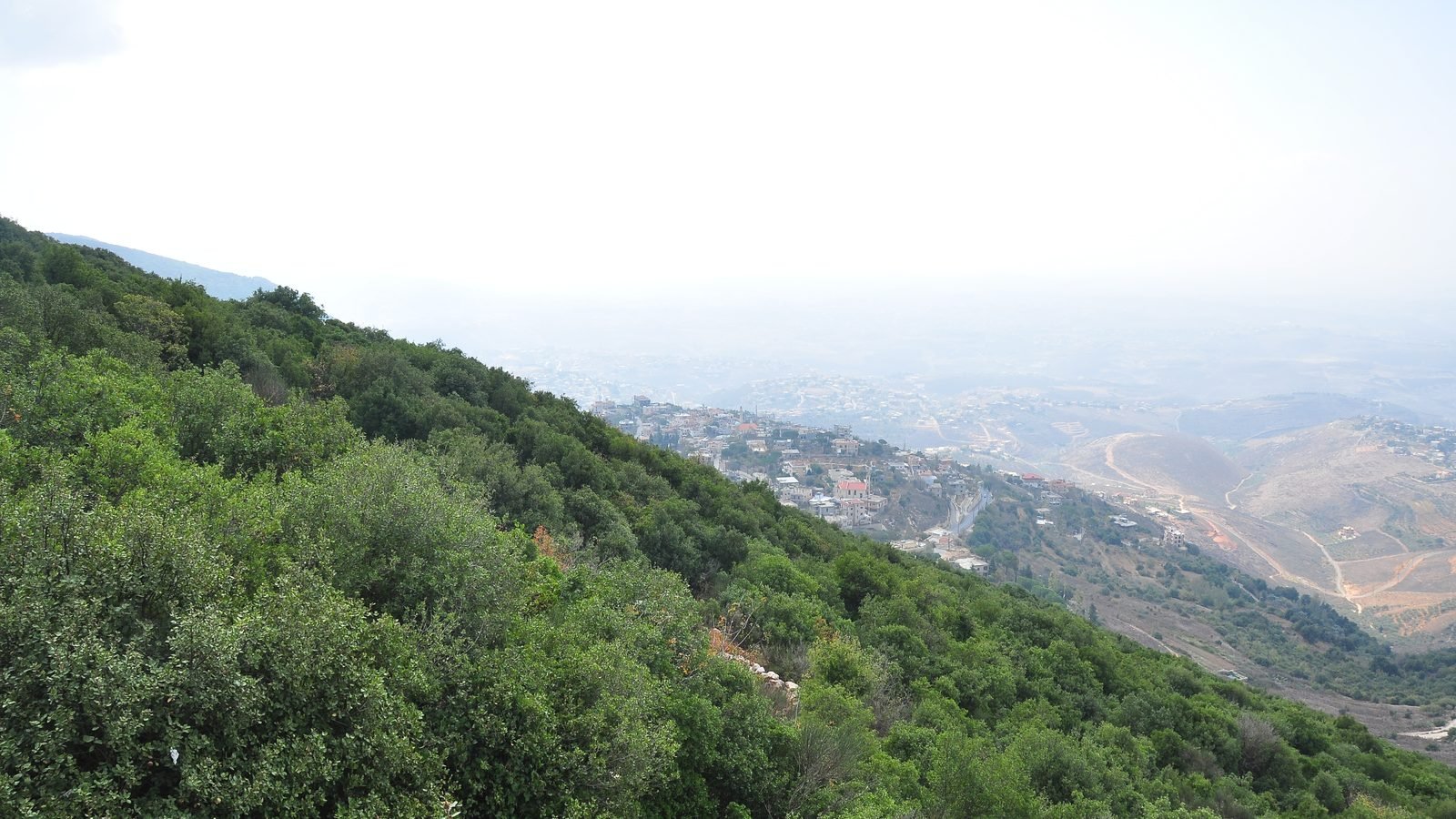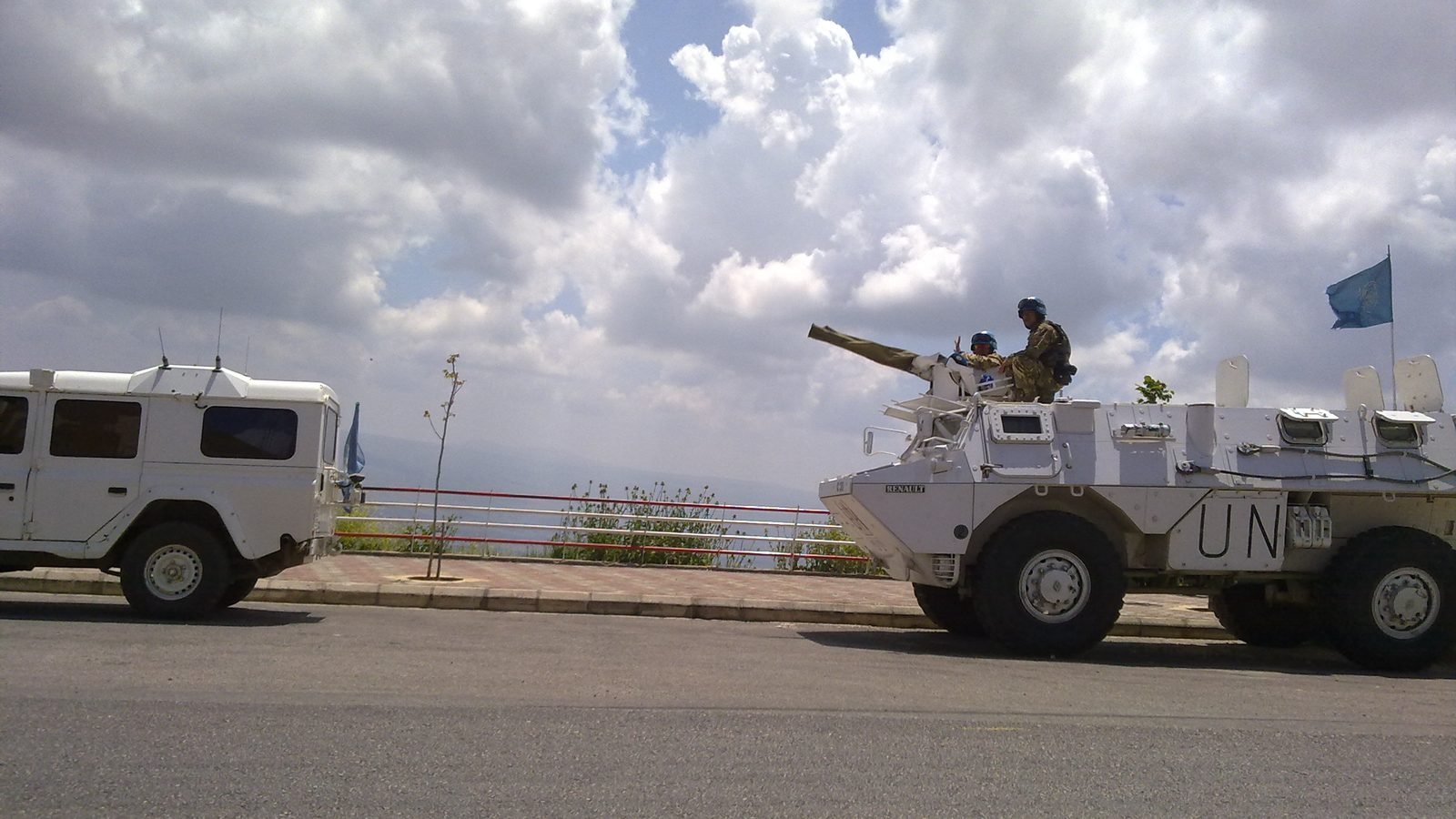

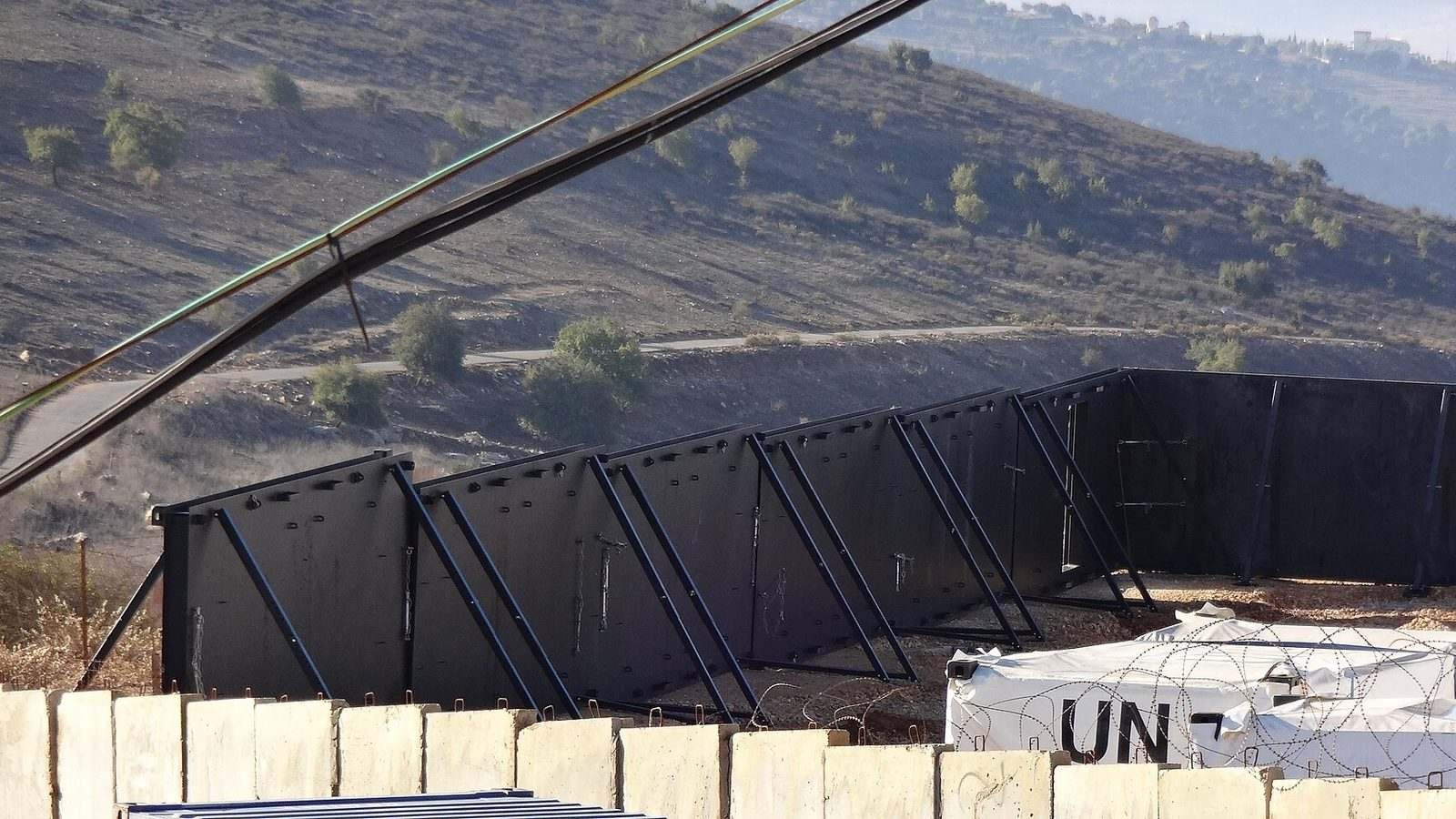
Israel is readying for a prolonged round of fighting in Lebanon as tensions with Hezbollah intensify over military operations in the Ali al-Taher heights and Shaqif castle areas.
The Israeli military is preparing for the possibility of a multi-day combat cycle in Lebanon as tensions escalate with Hezbollah over Israeli military operations in the Ali al-Taher heights and Shaqif castle region. According to an Israeli report, Israel intends to continue destroying what it describes as terrorist infrastructure in both areas while Hezbollah attempts to target Israeli forces operating there. The escalation comes against the backdrop of American-mediated negotiations between Israel and the Lebanese government, which have so far constrained the scope of Israeli retaliation.
According to reporting by Israeli journalist Nir Dvori on Israel's Channel 12, the Israeli military has destroyed portions of facilities in the Ali al-Taher heights and Shaqif castle, but some structures remain intact. Israeli military and political leadership have no intention of halting the destruction campaign, the report states. The Israeli army claims it has thwarted Hezbollah attempts to assist dozens of the group's operatives believed trapped underground in the Ali al-Taher heights.
Hezbollah views these operations with concern and attaches strategic importance to holding the position, according to the report. The group has attempted to target Israeli soldiers deployed in the area. Israeli political leadership has exercised restraint in recent days to avoid damaging ongoing negotiations with the Lebanese government, declining to approve some operations proposed by the military in response to what the report characterizes as aggressive Hezbollah movements.
An incident on Saturday in the Ali al-Taher heights left three Israeli soldiers with serious wounds. The Israeli military responded overnight Saturday to Sunday with a broad wave of airstrikes, which Lebanese sources described as a fiery barrage. Israel claims the strikes killed Abu Hassan Alaa, described as a senior commander in Hezbollah's Badr unit, in the Deir al-Zahrani area.
The operation followed an earlier strike on Ali Samir al-Hajj Hassan, whom Israel identified as commander of a battalion in Hezbollah's Rida unit at a facility in the town of Ansariyeh in the Nabatiyeh region. In announcing al-Hajj Hassan's death, the Israeli military claimed that other operatives killed alongside him were preparing attacks against Israeli forces in the area. A spokesman for the U.S. State Department told Al Jazeera that Hezbollah bears responsibility for the Israeli presence on Lebanese soil and represents the main obstacle to Lebanon's economic recovery.
According to the Israeli account, the continuation of military operations in the Ali al-Taher heights and Shaqif castle could push the Lebanese front toward days of confrontation. The ongoing negotiations with the Lebanese government remain the principal factor restraining the scope of Israeli retaliation. Israel's stated commitment to destroying the remaining facilities in both locations suggests that further escalation remains possible unless a settlement is reached through American mediation.
Hezbollah's presence in the Ali al-Taher and Shaqif castle areas has long made the region a flashpoint. The group has maintained positions there as part of its broader military infrastructure along Lebanon's southern border. The strategic location allows Hezbollah to monitor Israeli movements and conduct operations against Israeli forces. For Israel, eliminating these positions is presented as essential to preventing attacks on northern Israeli communities.
The U.S. mediation effort between Israel and the Lebanese government aims to establish conditions under which Israeli forces would withdraw from Lebanese territory. The framework under discussion centers on Hezbollah's disarmament and the strengthening of Lebanese state authority in the south. However, with Hezbollah claiming responsibility for resisting Israeli operations and describing the group's presence in the area as non-negotiable, the path toward resolution remains uncertain.
The Israeli report indicates that if military operations continue without resolution through negotiation, both sides should expect sustained combat operations extending over multiple days. Each side has stated its positions clearly: Israel insists on eliminating what it calls terrorist infrastructure, while Hezbollah is defending positions it considers strategically vital. The American-mediated talks represent the most concrete effort to date to de-escalate the situation, though neither side has indicated willingness to compromise on its core demands.