
Israeli forces burned homes in multiple villages, conducted artillery strikes and bulldozing operations across southern Lebanon on Monday while negotiations on a ceasefire framework remained deadlocked.
Israeli military operations intensified in southern Lebanon on Monday. Forces burned homes in Houla and fired artillery at the town, struck Zota al-Sharqiyeh with artillery, and carried out explosions in Adsheet al-Qassir, Kafr Tibnit and Arnoun. In the western sector, the Israeli army has bulldozed the fourth neighbourhood of Mansoura since Sunday alongside artillery fire. Mansoura and Biut al-Siyad farm came under night-time bombardment until dawn, while machine gun fire targeted Biut al-Siyad and Hadatha. Drones flew low over Beirut's southern suburbs, Sidon and its eastern areas.
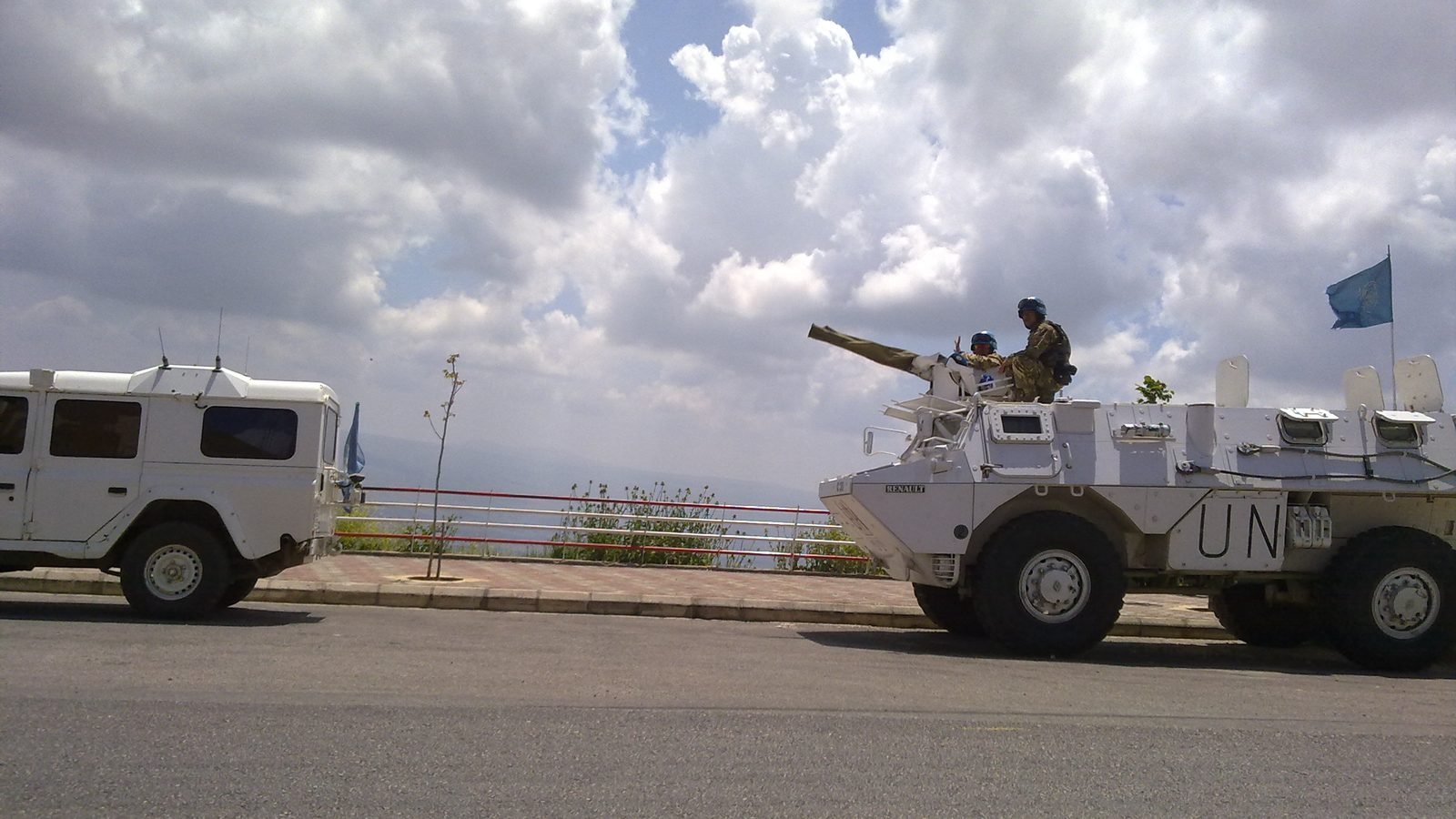
Prime Minister Nawaf Salam chaired a ministerial meeting at the Grand Serail to discuss UNIFIL's operations and its potential withdrawal, emphasizing the need for continued international military presence in the south.
No date has been set for the next round of negotiations in Rome. Disagreement persists over Israeli withdrawal terms, Lebanese army deployment and mechanisms for implementing security arrangements.
Retired Brigadier General Bahaa Hallal said Israel may be using the stalled talks themselves as a tool to reshape the military balance on the ground, turning new realities into the baseline for any future negotiations. Rome negotiations have addressed military, political, legal and border issues without decisive breakthrough while operations and incursions have continued in parallel.
Hallal assessed that Israel is seeking to establish facts on the ground before negotiations conclude. The most dangerous approach, he said, is not a broad invasion but gradual low-intensity destruction of infrastructure, evacuation of areas, establishment of control points, widening military movement, obstruction of reconstruction and return, and conversion of zones into de facto security areas, each presented as a defensive step. When accumulated, temporary measures become facts requiring political resolution.
Geographic and demographic changes are the true measure of shifts, Hallal argued. Establishing sustained positions that provide fire control or command over movement routes and depth makes geography itself a negotiating card. Destroyed or depopulated villages could transform the question from when Israel withdraws to when residents return. Continued presence beyond the Blue Line could convert what was meant as temporary security measure into a negotiating reference point.
Hallal identified the core obstacle as sequencing. Israel may seek to tie withdrawal to Hezbollah disarmament, Lebanese army deployment, American verification, reconstruction restrictions and retention of the right to respond by its own assessment, while Lebanon wants cessation of attacks, withdrawal, then completion of state deployment and handling security matters within sovereignty.
Israel can convert stalled talks, limited escalation, field control and time into new realities and use American mediation to turn them into negotiating conditions so long as military superiority holds, no decisive American pressure emerges, and facts on the ground do not become political and diplomatic costs to Israel, Hallal said. But Israel may succeed tactically while losing strategically, as expanded control raises costs of maintaining and defending it. The Lebanese question becomes what ground limit, once crossed, makes Israeli retreat harder to achieve in negotiations than it would be to prevent before it occurs.
Retired Brigadier Naji Malaab told the outlet that when negotiations began it appeared Lebanon had secured a stop to Israeli advance, but it did not obtain a complete halt to combat operations. Israel retained latitude to handle threats within territory it controls.
The president's core demand has now become a stop to destruction, Malaab said. The focus is no longer solely on halting combat or securing withdrawal but on stopping Israeli demolition and burning operations. This reality creates a new fact Israel will attempt to exploit in coming negotiations.
Malaab assessed that what is occurring aligns with American regional strategy rooted in opposition to Iranian influence on the Mediterranean. The United States will not accept Iranian presence on the Mediterranean in its current form, he said, noting Syria under Ahmad al-Sharaa has moved toward ending Russian combat operations on the sea and limiting any presence to training or logistics roles.
American coverage of Israeli operations reflects this stance, Malaab said. When the U.S. ambassador asks what the Lebanese government has done on Hezbollah and stresses that Washington deals with the Lebanese government, it signals an American expectation Lebanon must fulfill regarding Hezbollah's weapons.
Lebanon had wagered that time would work in its favour and future resolution of American-Iranian tensions would allow it to benefit from easing of Washington-Tehran friction, Malaab said. Israel, by contrast, is attempting through ground operations to subordinate Lebanon and impose new terms in future negotiations.