

Hezbollah says Israeli airstrikes on the south will be met with an appropriate response, marking a shift from restraint since a ceasefire began in June.
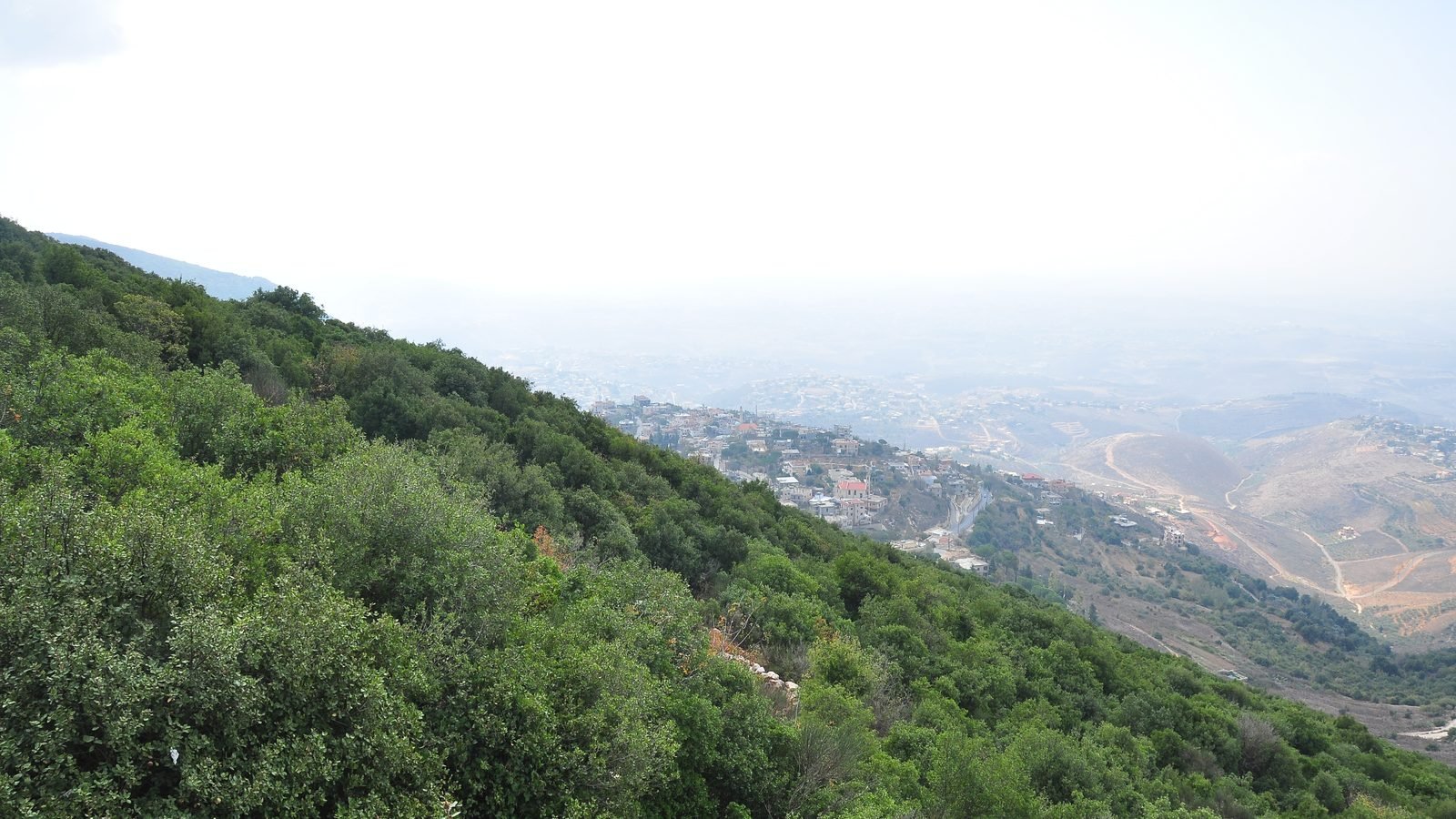
Israeli airstrikes on southern Lebanon killed 11 people, including children, in one of the deadliest bombardments since a fragile ceasefire began on 20 June. The strikes targeted the heights of Ali al-Tahir, Ansar and Deir al-Zahrani. Israel's military said the strikes were a response to activity targeting its forces in the area but provided no specific details about the nature of that activity. Hezbollah did not claim responsibility for any attack there.
The Israeli military's account of what prompted the strikes remained vague. Without naming the party responsible or describing a specific incident, the military statement suggested defensive action against an unspecified threat. No independent confirmation of the alleged activity emerged from other sources.
Hezbollah's response marked a significant departure from its posture since the ceasefire took effect. Rather than limiting itself to condemning the Israeli action, the organisation announced that the strikes would be met with an appropriate response. The statement suggested a potential shift from a phase of restraint toward a renewal of tit-for-tat retaliation.
The language used by Hezbollah indicated openness to escalation. By explicitly reserving the right to respond, the group signalled that it would not accept a pattern where Israel could strike without consequence. The announcement raised the stakes for any further military action in the coming hours and days.
The military dimension of the standoff appeared to turn on competing calculations. Israel appeared to be raising the cost of any attack on its forces, while Hezbollah seemed determined to prevent a pattern that would allow Israel to strike without a price. The tension between these two positions created the potential for rapid escalation.
Any measured response from Hezbollah, or any broader Israeli strike, now risked moving the confrontation from a phase of containment toward one of redrawn rules of engagement. The ambiguity of what would trigger action from either side, combined with explicit statements of intent to respond, created conditions for rapid expansion of the conflict.
The ceasefire that began in June had held despite periodic violations and strikes. Its terms included understandings about what each side would tolerate without triggering a wider response. The events of recent hours suggested those understandings might be under stress.
What happens in the immediate future depends partly on whether either side moves to implement its stated position. Hezbollah has not yet carried out any announced retaliation. Israel has not indicated whether it plans further strikes. The window for de-escalation, however, appeared to be narrowing.
The question facing both sides is whether the next military action, if it comes, will be contained within the existing framework or will mark the beginning of a fundamental shift in how they conduct their conflict. The statements made and the scale of the latest strikes suggest that the period of relative restraint may be ending.