
A disputed hilltop in South Lebanon has become the flashpoint for the June ceasefire, with Israel demanding Lebanese Army inspection of alleged Hezbollah facilities while the group refuses to cede a strategic position before Israeli withdrawal.
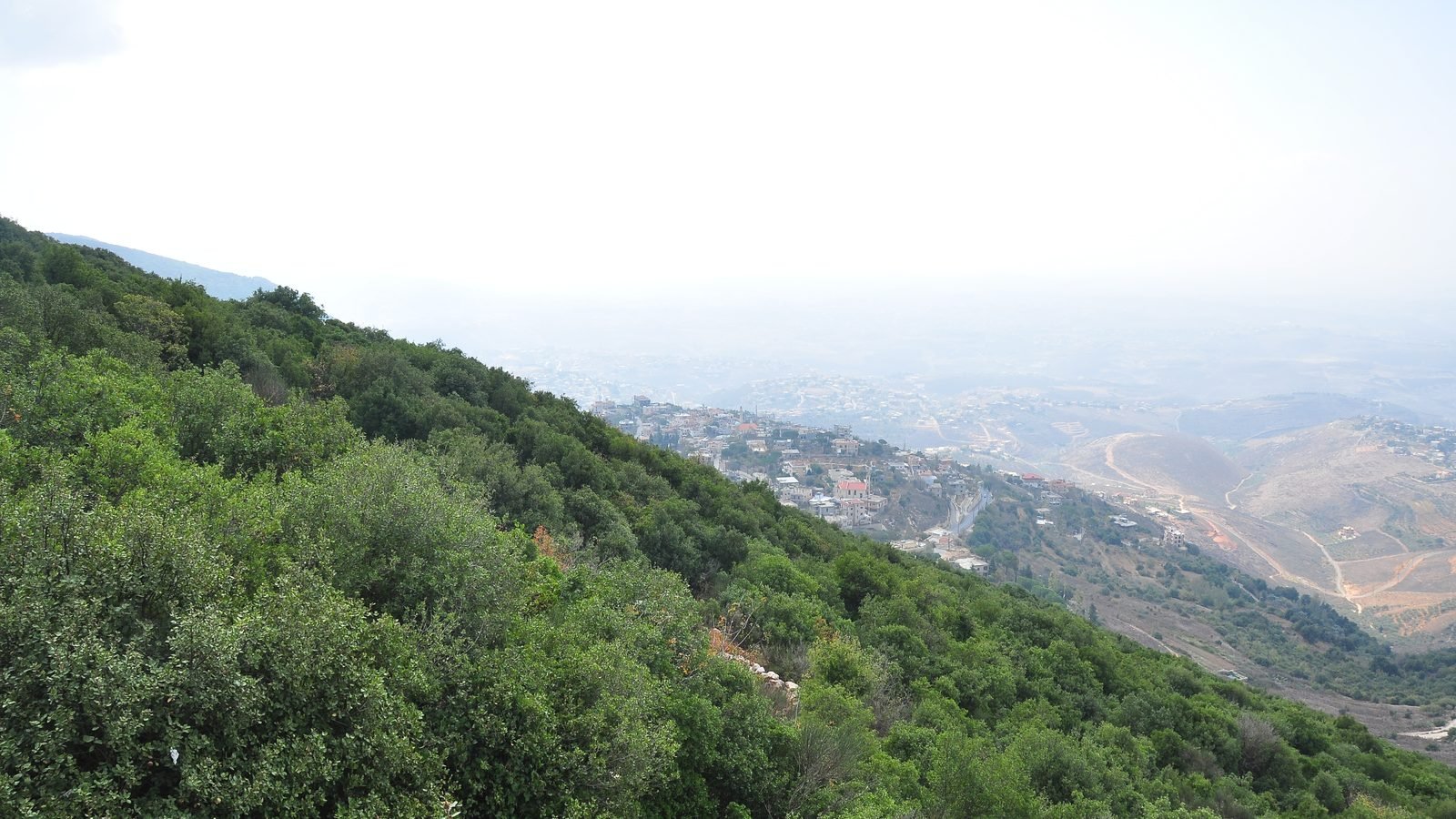
Ali al-Tahir, a 600-meter elevation east of Nabatieh, has transformed from a military position on Lebanon's security map into a condensation of a larger crisis. Israel is demanding that the Lebanese Army enter the site and inspect Hezbollah facilities there, while the party refuses to hand over a strategically important location that remains under fire and before Israeli forces withdraw.
The highlands overlook Nabatieh, Kafr Tibnin, and terrain leading to the Tuffah region. Reports say that the site contains underground military installations, command centers, and supply lines operated by Hezbollah, explaining both the group's determination to hold it and Israel's insistence on inspection.
Israeli reports indicate Tel Aviv is pressing for Lebanese Army entry to the complex and verification of military infrastructure removal. Simultaneously, Israel is preparing for a possible operation to seize the heights if the matter cannot be resolved through the framework agreement, while American efforts aim to keep any military action limited to prevent collapse of the negotiation process.
A deadlock has emerged: Israel refuses to withdraw before verifying dismantling of Hezbollah's military structures; Hezbollah refuses to hand over positions before Israeli airstrikes halt and forces withdraw; and the Lebanese Army faces an internally sensitive task requiring a political decision, national cover, and guarantees against targeting or conflict with the group.
Hezbollah Secretary-General Naim Qassem, while not naming Ali al-Tahir directly in recent remarks, rejected the framework agreement and its verification mechanism, arguing Israel seeks to place Army deployment and operations under Israeli monitoring. He reiterated refusal to surrender weapons before ceasefire and withdrawal.
For Hezbollah, surrendering Ali al-Tahir does not represent a natural transition to state authority but rather a concession extracted under Israeli pressure. The disagreement runs deeper than a single hilltop: whether the Army deploys as a sovereign authority or enters a position under bombardment to implement Israeli conditions.
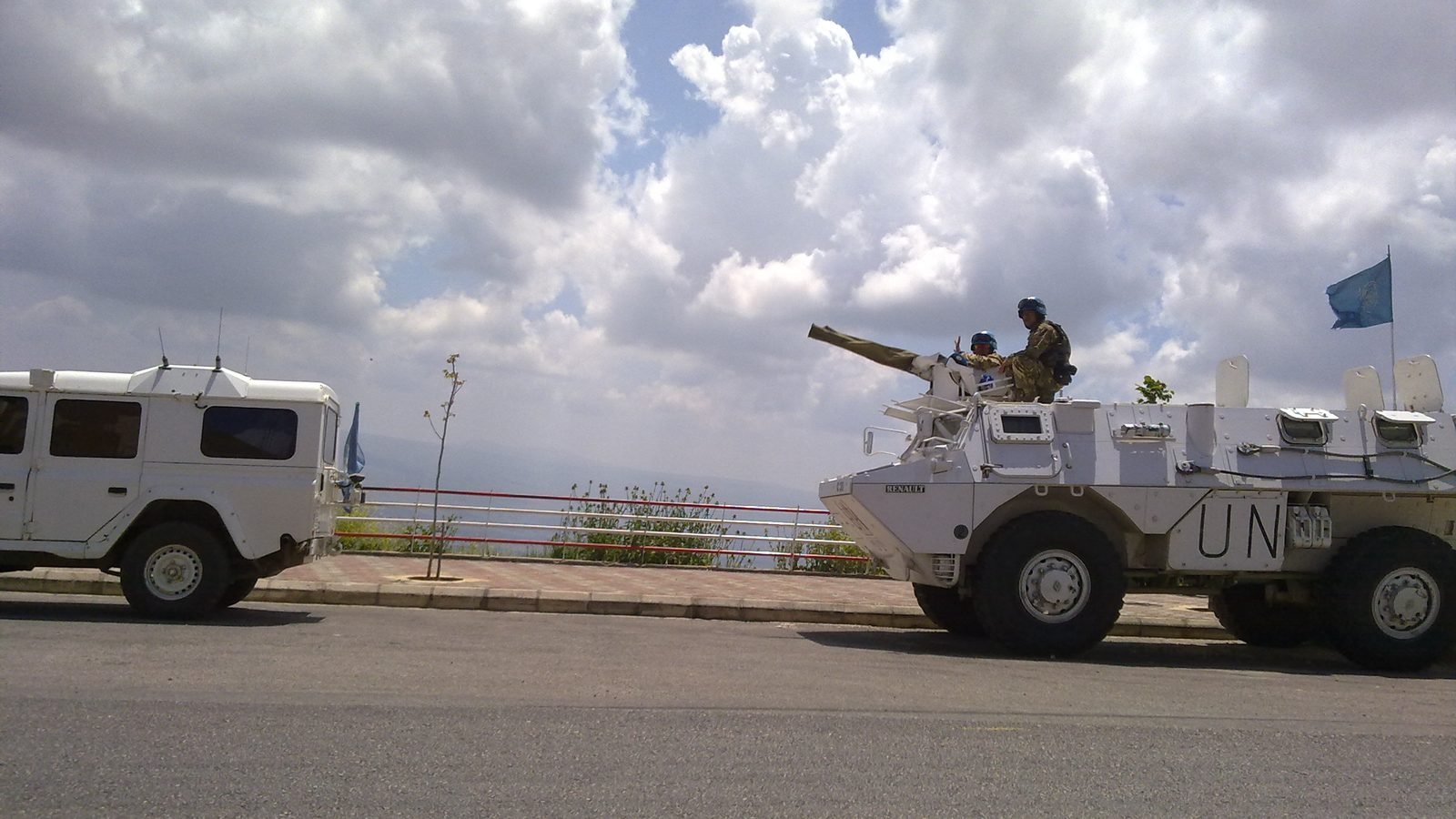
Under the security annex of the framework agreement, the Army is mandated to lead operations dismantling illegal weapons, disabling tunnels, depots, and command centers, then assuming exclusive operational control. However, its experience in Frun, Srifa, and western Zoutar showed deployment occurred after Israeli withdrawal and through coordination with the MCG4L military coordination mechanism, not unilateral incursion into Hezbollah positions.
The framework agreement signed in Washington on 26 June differs from the 20 June ceasefire, which reduced fighting intensity without halting airstrikes or violations. The framework established a conditional pathway for Israeli redeployment, weapons removal, Army entry, and verification of implementation.
The model for pilot areas comprises four phases: removal of armed elements and non-state military structures; third-party verification of removal; Army deployment and assumption of control; then reconstruction and civilian return. The problem is that this model does not resolve the sequence of steps to prevent obstruction. Israel demands verification first, while Lebanon needs withdrawal and strike cessation for the Army to execute its mission without appearing to work under Israeli conditions.
Washington supports two parallel tracks: gradual Israeli withdrawal and documented Hezbollah disarmament. While theoretically opposing permanent Israeli presence in Lebanon, it has not provided guarantees preventing Israel from attempting military resolution of the Ali al-Tahir question.
A possible way out lies not in demanding one side move first, but in simultaneous implementation: a binding Israeli halt to airstrikes, documented withdrawal from agreed territory, Army entry to Ali al-Tahir and inspection of facilities, then third-party verification of military infrastructure removal. This arrangement grants the state actual sovereignty, prevents Israel from using refusal to surrender as a pretext to advance, and allows Hezbollah to present its withdrawal as surrender to the Army rather than to Israel.
These conditions have not yet matured. Israel wants outcome assurance before withdrawal; Hezbollah wants withdrawal before surrender; the state stands unable to enforce simultaneous commitment from both sides.
Ali al-Tahir is not merely a military position crisis. It is a test of sovereignty and the state's capacity to recover both territory and weapons simultaneously. If Israeli withdrawal, Army deployment, and surrender of positions remain steps conditional on each other, the hilltop will remain a live fuse. The June ceasefire may fall not because war was decided, but because all sides await the other to move first.