
Israeli forces are intensifying strikes on the southern heights of Alei al-Tahir, while Hezbollah signals it will resist any attempt to occupy new territory.
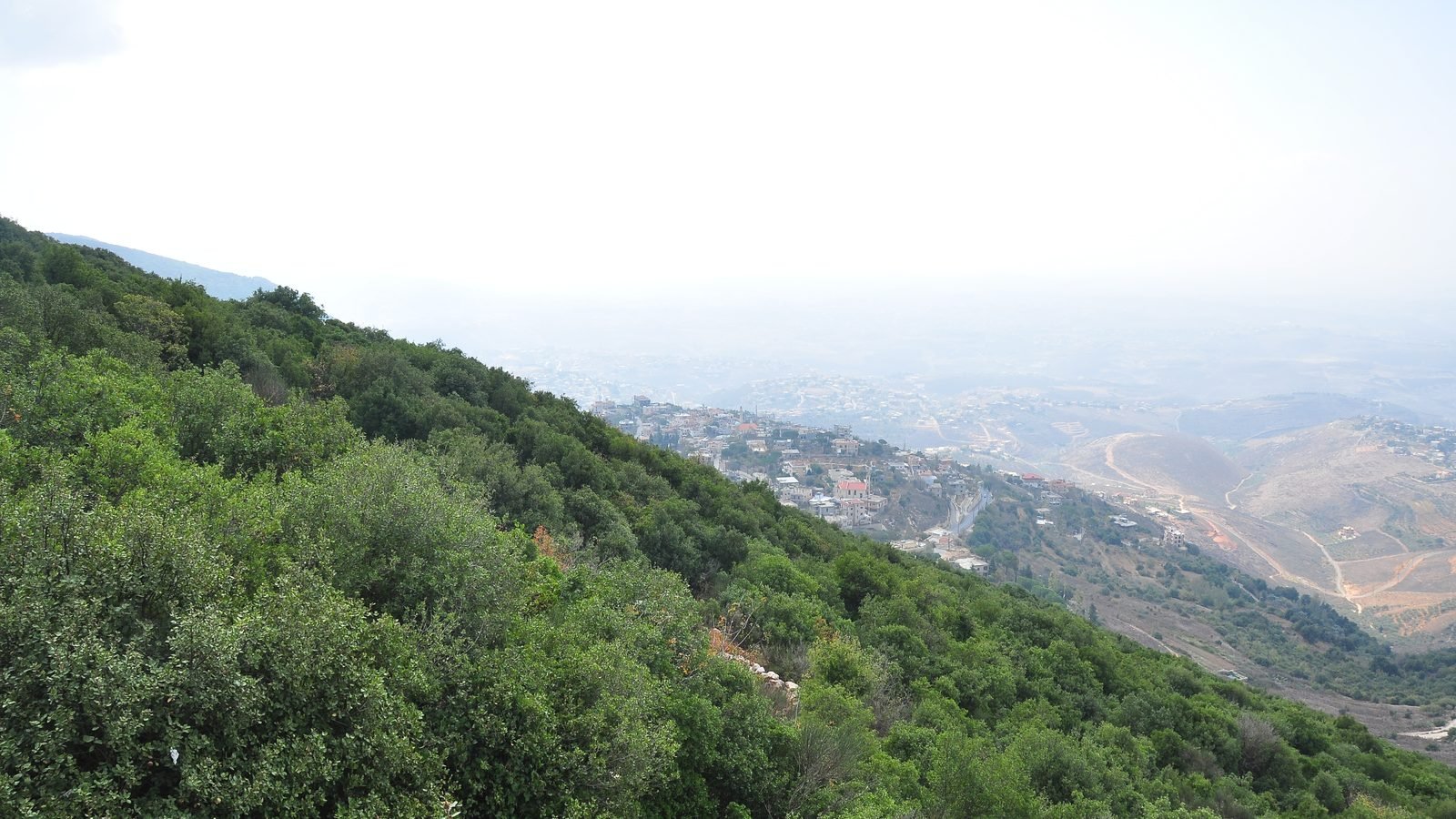
Israeli forces are conducting heavy bombardment of Alei al-Tahir and surrounding areas, using airstrikes, artillery fire, phosphorus rounds, and drone-dropped explosives. Simultaneous explosions have struck southern villages including Kfar Tibnit, Arnoun, Talussa and Maiss al-Jbal, suggesting a strategy to isolate the heights before any ground advance.
The Israeli military has not yet launched a full assault on the positions. Instead it is maintaining a sustained siege and bombardment, apparently seeking to push Hezbollah fighters to withdraw or accept a settlement that would avoid a costly ground operation in terrain that is geographically complex, fortified with tunnels and exposed to drones.
Mahmoud Qomati, a member of Hezbollah's political council, declared a red line around the site, stating that the party's position is to "stand firm and resist". He said any Israeli attempt to advance or seize new territory or positions would face a response matched to the scale of the military development. Qomati denied the presence of Iranian Revolutionary Guard fighters among Hezbollah's ranks in the south, responding to Israeli claims of surrounded Iranian forces.
Hezbollah's stance combines battlefield threats with space for political negotiation. The party has refrained from responding to airstrikes so long as Israel does not shift its deployment boundaries, but has made clear that an attempt to seize Alei al-Tahir or impose new geographic facts would trigger open confrontation.
Israel is aware that storming the heights risks ending the current ceasefire. Hezbollah has demonstrated its ability to deploy fiber-optic guided loitering munitions against Israeli forces. Hebrew-language reports have noted that the Israeli military has tested over 100 technical solutions against this weapon without achieving decisive protection, motivating Israel to pursue its aims through firepower and pressure rather than direct combat.
The military pressure is inseparable from ongoing negotiations. Alei al-Tahir has become a core issue in determining the security zone Israel seeks in the south, while Hezbollah insists that any new Israeli expansion constitutes occupation that would justify renewed operations. The confrontation is no longer simply about a hilltop but about how the ceasefire is interpreted and Israel's right to alter frontlines under the banner of threat removal.
Hezbollah has suggested it could turn any major battle into a regional confrontation. Qomati disclosed that the Houthi movement in Yemen has expressed readiness to close the Bab al-Mandeb strait if Hezbollah and its environment are attacked and besieged in Lebanon, linking the fate of Alei al-Tahir to international shipping and giving the local conflict regional dimensions.