
The Israeli army has tested more than 100 different systems to detect and intercept fiber optic-guided drones used by Hezbollah in southern Lebanon, but has not yet found an effective defence.
Small explosive drones have become one of the most complex problems facing the Israeli military in southern Lebanon after Hezbollah used the low-cost weapon to breach defence systems and strike forces in Israeli-controlled territory.
The drones are guided by fiber optic cables rather than radio signals, making them immune to electronic warfare jamming. An operator controls the drone through a thin wire that can extend tens of kilometres, receiving real-time video that allows precise targeting of personnel, vehicles and military positions.
These drones are small, fly at low altitude, carry explosive charges weighing several kilograms and cost between 300 and 400 dollars each, according to Israeli estimates. This allows them to disable expensive vehicles and disrupt ground units equipped with advanced detection and protection systems.
The Israeli military tested the Iron Drone Raider System in southern Lebanon, which includes radar and an interceptor drone that launches a net toward targets. The army concluded its effectiveness remains insufficient and has deployed warning systems meant to give soldiers seconds to shelter before detonation.
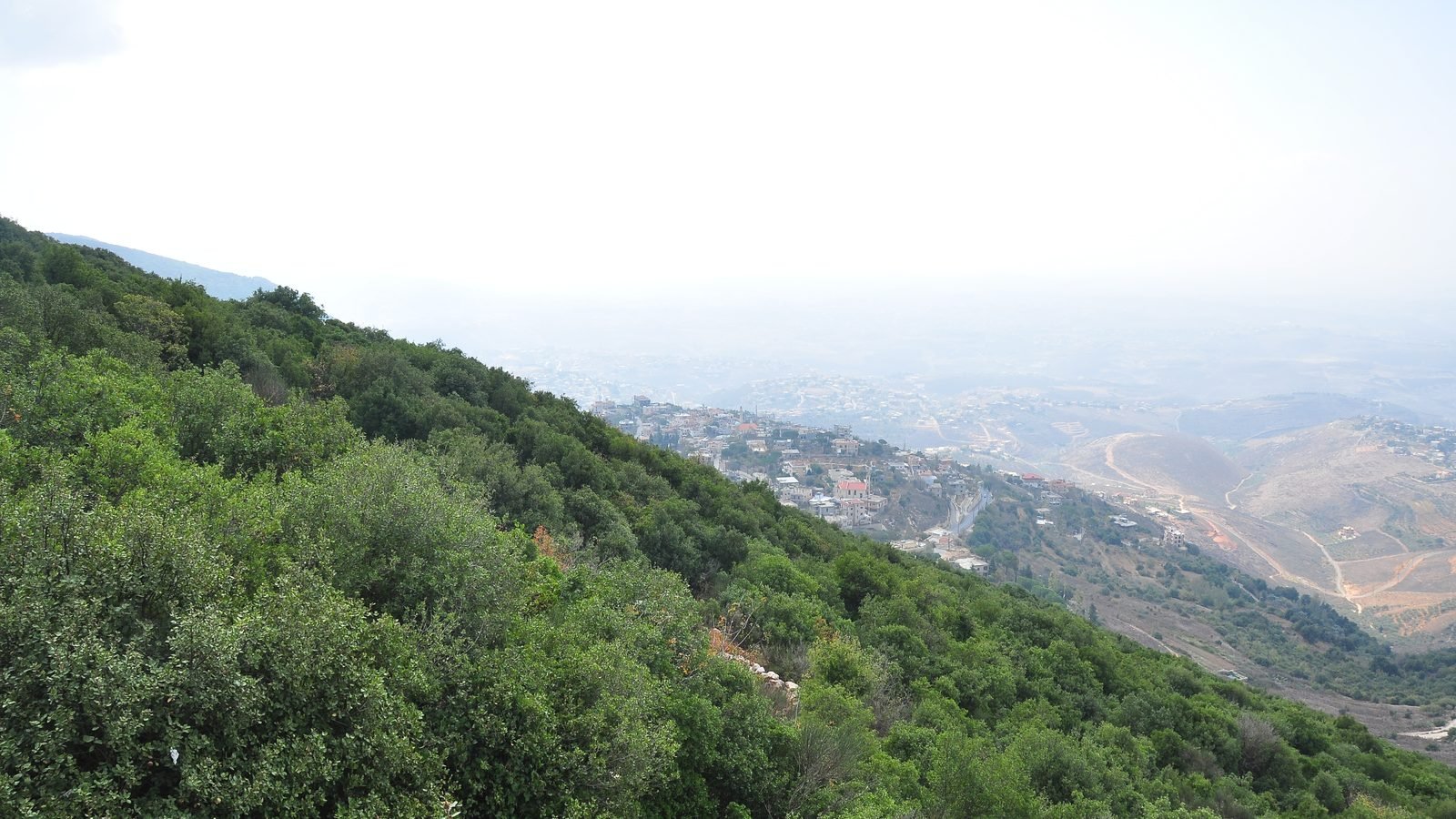
A Hezbollah drone struck a unit from the Yohalom engineering corps in the Ali al-Tahir heights, wounding an Israeli officer and two soldiers. An engineering vehicle in the same area was hit by a similar drone in an earlier strike without casualties.
According to reports, Hezbollah announced more than 70 drone attacks since early March. After the ceasefire took effect, fiber optic-guided FPV drones became one of the main weapons the group uses against Israeli forces in southern Lebanon.
The drones have crossed into Israeli territory and reached settlements in northern Israel, with strikes recorded near Ras al-Naqoura. Fiber optic cable remains were found in the settlement of Zarit after drone operations in the area.
Israeli assessments say Hezbollah operates assembly workshops in the south and Bekaa valley, allowing large-scale production at limited cost without complex military manufacturing lines. This decentralisation allows the group to replace losses and hide launch and preparation sites across a wide area.
Israel has no assured technical options against this weapon. The drones fly too low for some radar systems to detect them, are slow and small enough to make interception by conventional systems impractical, and their fiber optic guidance nullifies electronic warfare's usual ability to cut the link between drone and operator.
The Israeli military shifted to targeting operators, assembly workshops and launch points, alongside destroying tunnels and positions believed to direct operations. This approach requires precise intelligence not always available, while a small team can move its drones and operate them from a new location in a short time.
The problem takes on added weight with rising tension over Ali al-Tahir heights. Any Israeli ground advance would expose soldiers and vehicles to drones that cannot be jammed and can be launched from protected or distant positions away from direct contact lines. This turns a cheap weapon into a major factor raising the cost of assault.
After testing more than 100 solutions, the Israeli army continues to search for a decisive answer. Hezbollah has established a different equation: a weapon's value lies not in its price or size, but in its ability to turn enormous technological superiority into a chase after a drone costing a few hundred dollars.