
France is coordinating with Jordan to organize a preparatory meeting in Paris on September 17 ahead of an international conference to support the Lebanese Army and internal security forces.
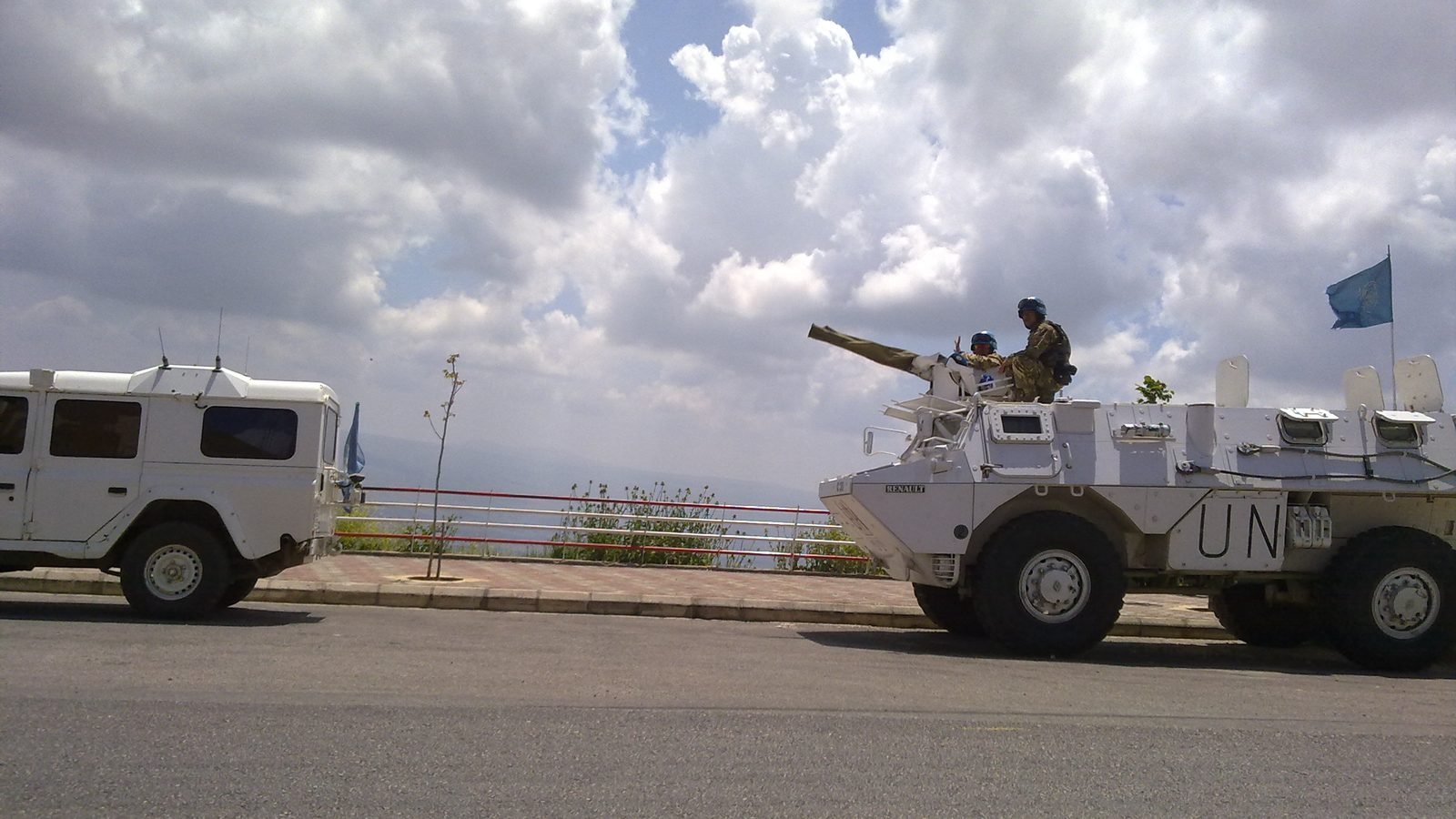
France is moving to establish a new position of influence in Lebanon through support for the Lebanese Army, as regional powers jockey for control over the military's role after the planned departure of UNIFIL peacekeepers. President Emmanuel Macron has begun coordinating with Jordan to prepare for a gathering in Paris on September 17, laying the groundwork for an international donor conference focused on the army and domestic security apparatus.
The conference itself is not unprecedented. An earlier version was scheduled for March 5 but was postponed due to military developments in the region. The new iteration differs fundamentally in scope: rather than financial support alone, it now envisages direct operational engagement in the south under arrangements to be negotiated once UNIFIL withdraws.
The timing reflects shifting priorities in how Lebanon's security will be managed. The immediate focus of coming months will centre on the Lebanese Army's function and mandate following the departure of international peacekeepers. Behind the diplomatic preparations lies an implicit competition among three major powers, each seeking to maximize its influence over the military institution and, critically, over the security and military framework that will govern the south.
The United States envisions the Lebanese Army as the primary instrument for implementing the framework agreement and expects it to execute all directives regarding arms removal. Washington's model places the military under international supervision designed to enforce compliance with disarmament terms.
Israel seeks to impose security arrangements favourable to its own interests and has proposed a joint military and technical coordination room with the Lebanese Army. In practical terms, this arrangement would involve both militaries conducting operations to clear areas before any Israeli withdrawal, establishing direct operational cooperation between the two forces.
France presents itself as a different kind of international partner: a supporter of the Lebanese Army situated within a European framework. While positioning itself as a moderate player between Israel and the United States, it is working through diplomatic and international channels to persuade its allies to back an expanded French role in Lebanon, offering the Lebanese military a partner it can trust and the expertise of French officers to train its personnel.
For France, the central concern is preventing the Lebanese Army from becoming an instrument of American and Israeli policy. Macron has made clear that European involvement is intended as a counterweight to unilateral domination by Washington and Tel Aviv. Yet France faces a substantial obstacle: American and Israeli insistence on excluding it from the equation that will determine Lebanon's post-UNIFIL security arrangement.
Each power has articulated different expectations for the army's conduct. The dispute is not merely academic; the security architecture chosen for the south will determine which external force exercises the greatest leverage over Lebanese military decisions and which model of compliance or cooperation prevails. The framework that emerges from these negotiations will shape Lebanon's autonomy in its own defence for years to come.
The September 17 preparatory meeting marks the opening of formal negotiations over these competing visions. What emerges from Paris will signal how far France can establish itself as an autonomous player in Lebanese security affairs, or whether American and Israeli preferences will preempt French ambitions. The Lebanese Army itself remains the object rather than the subject of these arrangements, its future role to be determined by forces meeting far from Beirut.