

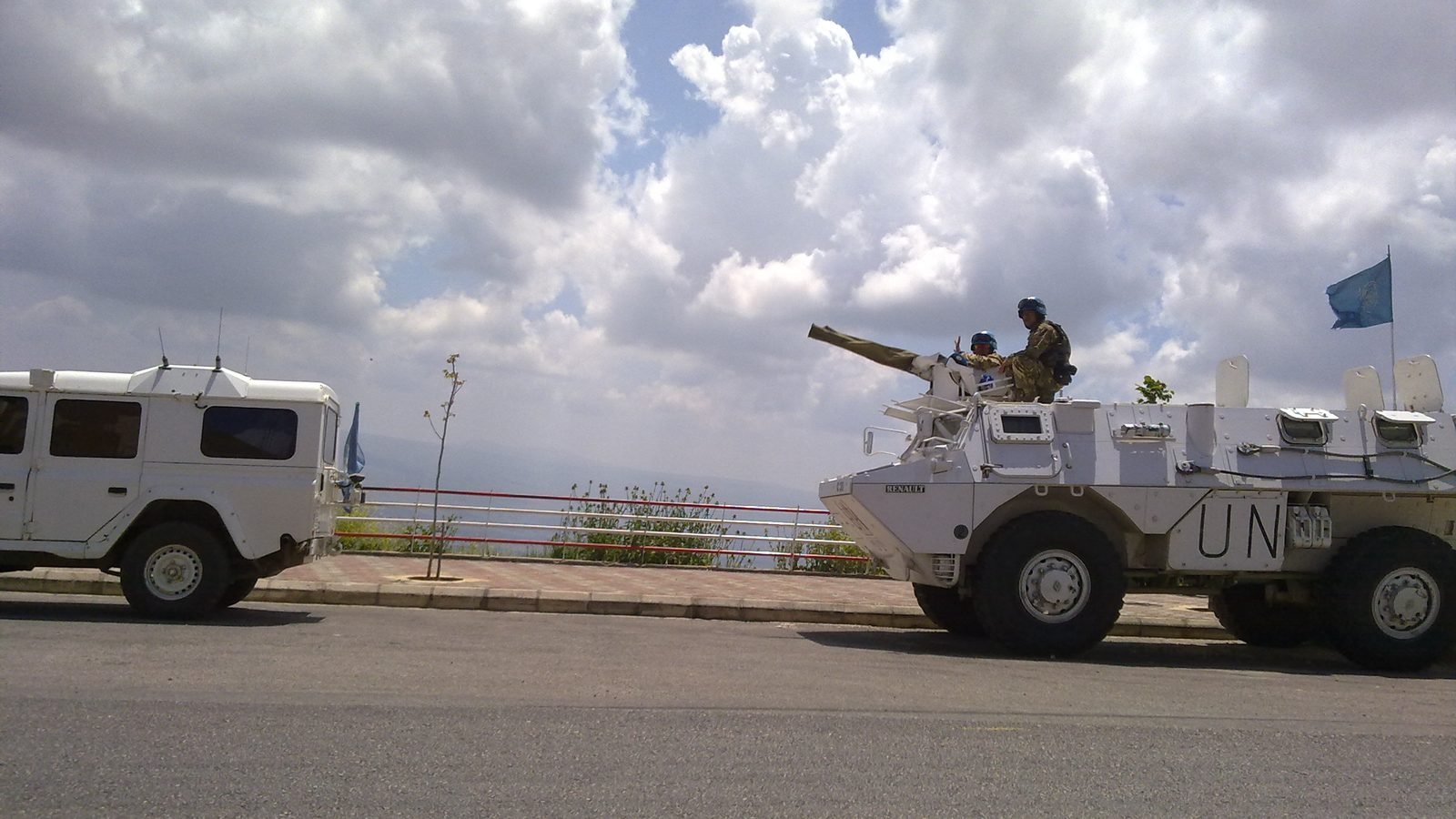
Israeli forces struck multiple southern villages overnight and carried out demolitions as the UN peacekeeping mission in Lebanon prepared to hand over positions to the Lebanese Army.
Israeli strikes and shelling overnight into Thursday targeted Houla, Markaba, Wadi Slouqi, Qabrikha, al-Mansouri, Majdalzoun, Ali al-Taher and Touline in south Lebanon, while troops conducted detonations in Zawtar al-Sharqiyeh, Majdalzoun, al-Mansouri and al-Khiam. The operations continue a pattern of intermittent strikes and heavy demolition work in the region, where Israeli forces are operating in a strip of territory approximately ten kilometres deep inside the Lebanese border.
The United Nations Interim Force in Lebanon handed one of its positions near al-Khardali to the Lebanese Army, marking the beginning of a transition that will reshape the international presence in the south. UNIFIL, established in 1978, currently deploys around 7,500 personnel from nearly 50 countries. The force's mandate expires this year, and discussions are underway for a replacement mechanism involving a French-Italian initiative and the Lebanese armed forces.
A framework agreement reached in June between Israel and Lebanon established terms for ending the conflict in the south. The accord calls for the disarmament of Hezbollah, a gradual withdrawal of Israeli forces from Lebanese territory and the deployment of the Lebanese Army to the region to establish state authority over areas previously beyond government control.
UNIFIL stated that its personnel continue their full commitment to their mandate despite the volatile environment. The force maintains a visible field presence throughout south Lebanon through daily activities including patrols, monitoring, coordination and support to humanitarian partners operating in the region. The mission emphasised that stabilising the situation requires sustained effort and restraint from all parties.
Civilians bear the heaviest burden from the ongoing conflict, UNIFIL said in a statement. Families face uncertainty about their daily lives, confront the possibility of displacement and live with concerns about their safety. The disruption has forced many to reconsider whether remaining in their homes remains viable.
UNIFIL called on all parties to renew their commitment to UN Security Council Resolution 1701, which governs the arrangement in south Lebanon. The force urged an end to violations of the resolution and warned against any provocative actions that could escalate tensions or trigger further breaches. The mission stressed that instability serves no party's interests.
The June framework agreement between Israel and Lebanon represented a diplomatic effort to formalise the terms under which the conflict could end and the Lebanese state could reassert control over its southern territory. However, despite the agreement, Israel has maintained pressure through intermittent strikes and extensive demolition operations across the region. The operations have continued even during periods of relative calm, suggesting Israeli forces intend to reshape the physical landscape of areas they control.
The transition of UNIFIL positions to the Lebanese Army marks a procedural step toward implementing the June accord, but broader questions remain unresolved. Whether Hezbollah will comply with disarmament terms, the pace at which Israeli forces will withdraw and the capacity of the Lebanese Army to establish effective authority in the south all remain uncertain. UNIFIL's efforts to mediate and prevent escalation will be critical as these elements come into focus in the coming months.
The framework agreement makes the Lebanese state responsible for the south, but that responsibility cannot be discharged while Israeli forces remain on Lebanese soil and Hezbollah retains military capacity. All three elements of the June accord must move forward simultaneously for the arrangement to take effect. Until then, south Lebanon will remain under military pressure, civilian displacement will continue and UNIFIL will be caught between enforcement of a ceasefire and inability to compel the parties toward implementation of the terms they have agreed.