
The UN peacekeeping mission in southern Lebanon will conclude on December 31, 2026, leaving behind disagreement over whether it succeeded or failed in its core mission.
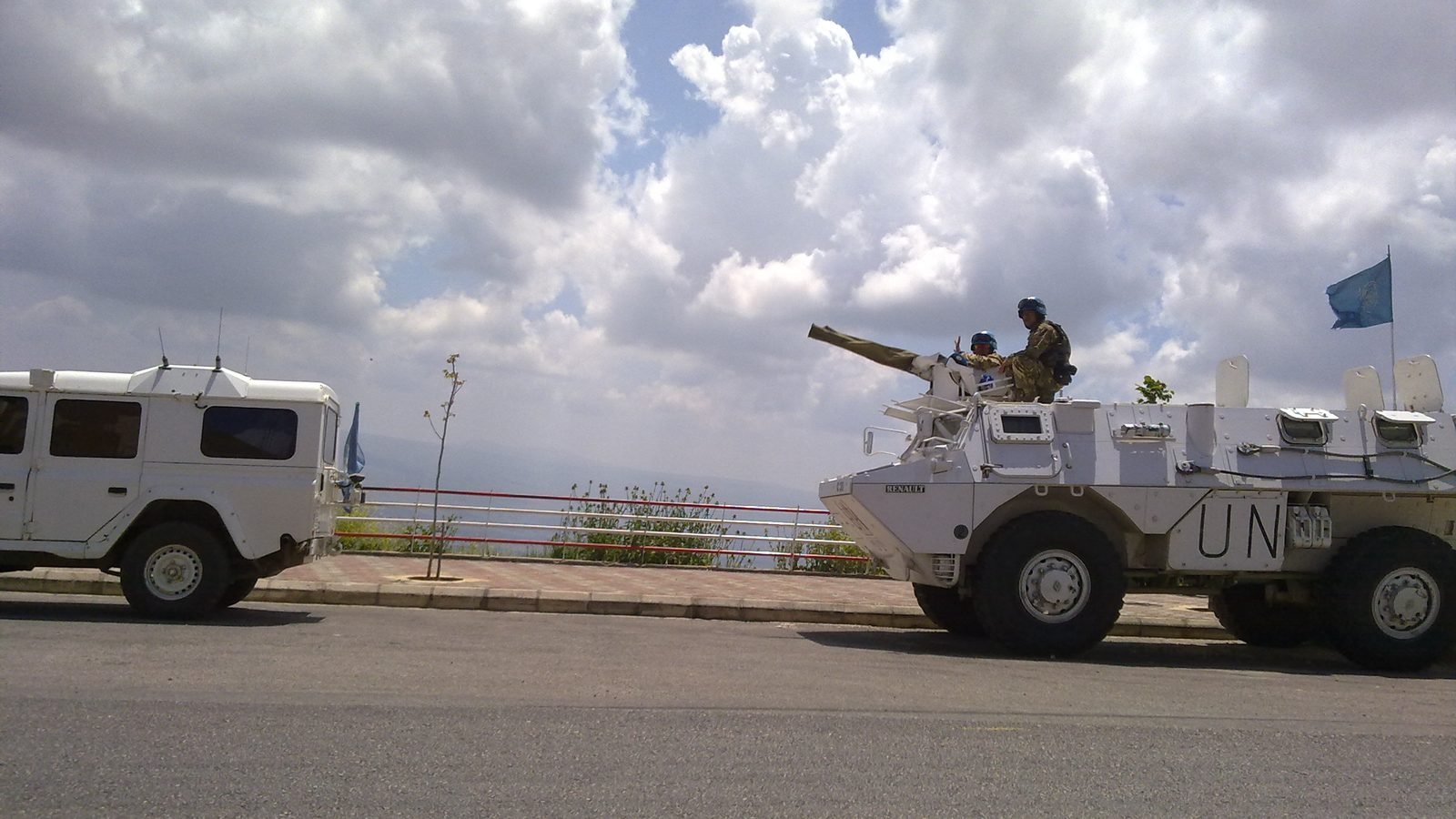
The United Nations Interim Force in Lebanon will wind down its operations by the end of 2026 as Lebanon and Israel negotiate future security arrangements for the border region under U.S. mediation. The force, established in 1978 and expanded after the 2006 war with Israel, was tasked with helping the Lebanese Armed Forces keep southern Lebanon free of non-state militia weapons. Its departure marks the end of nearly two decades of peacekeeping operations in the region and opens questions about what comes next.
Military expert Riad Kahwaji argued that UNIFIL failed to fulfill its mandate, saying the force was intimidated by Hezbollah and that fear of confrontation with the group restricted its movements and effectiveness. Makram Rabah, a history professor at the American University of Beirut, accused UNIFIL of losing credibility with both Israel and the Lebanese public. Rabah asserted that the peacekeeping force accommodated local authorities that served as a cover for Hezbollah and turned a blind eye to the group's military activities in its zone of operations.
Former U.S. Ambassador Jeffrey Feltman offered a different assessment, arguing that UNIFIL was hamstrung by constraints beyond its control. He noted that the force lacked broad enforcement powers and that the Lebanese government failed to deploy the 15,000 troops it had committed under UN Security Council Resolution 1701. Feltman said only a fraction of those forces were ultimately stationed in the south, with many later withdrawn northward.
Feltman was also critical of UNIFIL's reporting on Hezbollah's military activities, describing it as essentially dishonest in failing to accurately reflect the scope of the group's operations. He did credit the force with reducing cross-border violence after Israel withdrew from Lebanon in 2000, noting that the frequent Israeli strikes that occurred between 2000 and 2006 largely ceased following UNIFIL's expansion, providing a respite for residents on both sides of the border.
Retired Lebanese Armed Forces General Khalil Gemayel, a former commander of the southern sector, identified a structural weakness in UNIFIL's authority. The force operated under Chapter VI of the UN Charter, which provides for observation and reporting rather than enforcement, unlike Chapter VII, which permits coercive action. Resolution 1701 limited UNIFIL to accompanying, supporting and assisting the LAF without authorizing unilateral enforcement operations.
Gemayel highlighted the operational difficulties UNIFIL faced in predominantly Shia towns where local populations often restricted the peacekeepers' freedom of movement. The force could not enter villages or private property without accompaniment from the Lebanese army, which was rarely present. Peacekeepers faced repeated confrontations with residents and security threats over the years, with several personnel killed.
He questioned what UNIFIL could realistically have accomplished in disarming militia actors south of the Litani River when Hezbollah enjoyed political protection from successive Lebanese governments. Gemayel argued that neither Israel nor Hezbollah and its supporters actually wanted the force present, suggesting UNIFIL was being blamed for conditions it could not control.
Gemayel acknowledged UNIFIL's contributions beyond its core mandate, particularly through its Civil-Military Cooperation units, which provided civilian assistance and employed more than 600 local workers. The mission's continued presence reflected international commitment to stability in southern Lebanon and along the Israeli border, he said.
As UNIFIL prepares to exit, Lebanon is moving toward the post-peacekeeping era. The June 26 Trilateral Framework involving Lebanon, Israel and the United States appears to contemplate a role for international forces in verifying any disarmament by Hezbollah. Lebanese and Israeli negotiators are continuing talks on a verification mechanism, with reports indicating that foreign troops are being considered for that role.