
Israeli warplanes, artillery and ground forces conducted widespread strikes across the south on Monday, with particular focus on the Ali al-Tahir heights amid reports of restricted American clearance for a broader operation.
Israeli military operations across southern Lebanon escalated markedly on Monday evening, with sustained airstrikes, artillery barrages, and machine-gun sweeps reported across multiple districts. The intensity of the campaign reflected a shift in tempo after earlier restraint, with demolition operations targeting buildings and homes in several southern villages and towns.
In the western sector, Israeli warplanes struck the town of al-Mansouri twice in succession before artillery fire followed. Additional airstrikes and new artillery targeting hit the same area. Machine-gun sweeps were reported toward Bayt al-Siyad and al-Mansouri, while unmanned aircraft conducted sustained operations over southern regions.
Around Aiteron, Israeli artillery bombarded the town's perimeter in coordination with machine-gun fire. Similar sweeping fire was directed at Hadatha. In the Nabatieh district, Israeli aircraft dropped incendiary munitions on fields in Doha Kafr Ruman, igniting a fire before two further airstrikes struck the area. In Bani Hayyam, a blast destroyed the municipal building, while demolition operations continued against homes and structures across southern villages.
Zoter East witnessed marked escalation, with artillery fire striking the town's edges before Israeli forces conducted a violent demolition operation that generated a massive explosion. In Baraasheet, Israeli forces also carried out a demolition operation as part of broader demolition campaigns across multiple southern areas. The National News Agency reported that an Israeli unmanned aircraft crashed in the area of Zebqin, while Israeli drones flew at low altitude over the Ali al-Tahir heights and surrounding terrain.
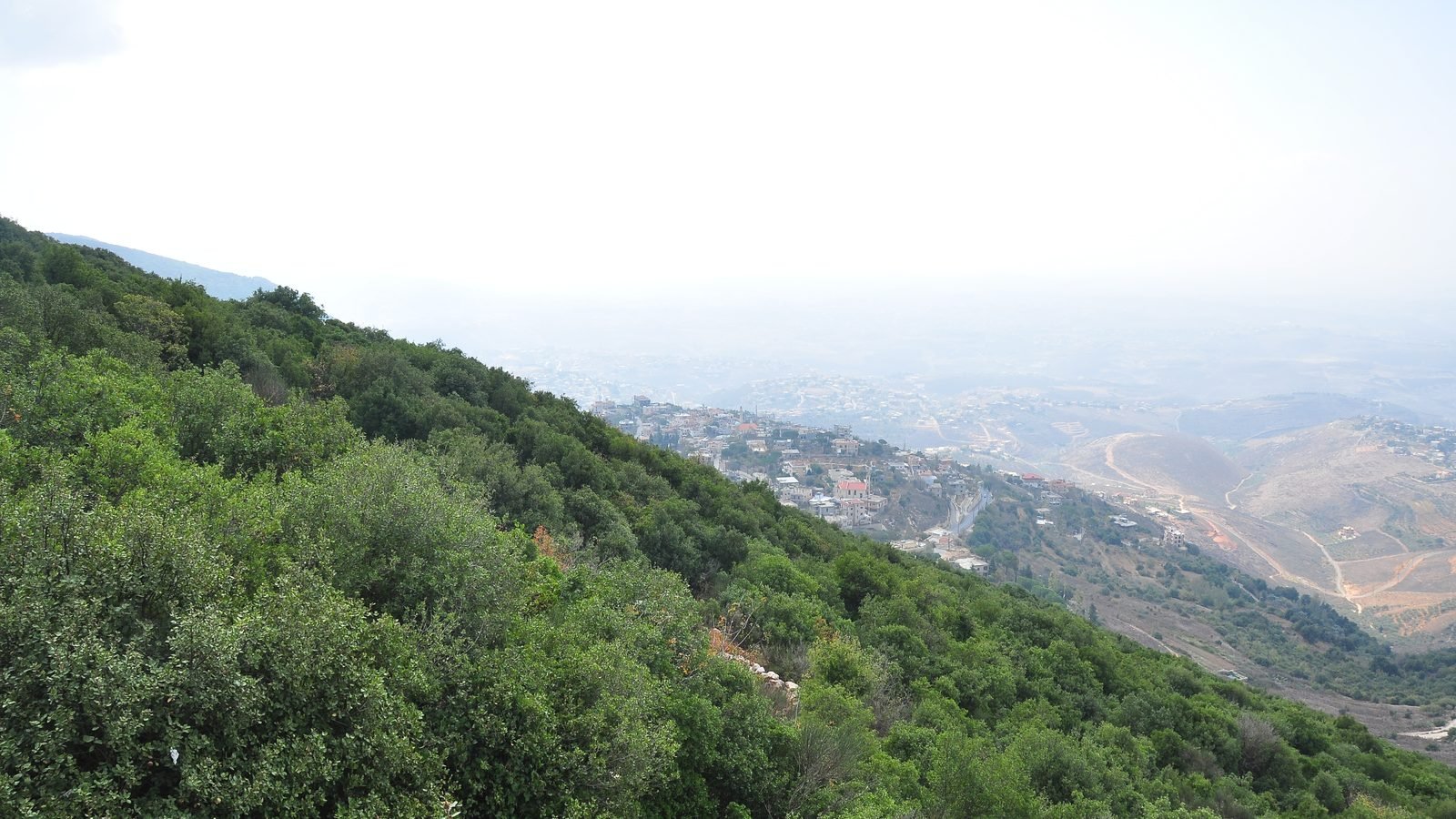
The Ali al-Tahir area has drawn particular Israeli and American attention amid reports of Hezbollah presence in the region. A correspondent in Washington reported that no American green light has yet been granted for an Israeli military assault on the heights, though American officials have expressed understanding of the proposition. Earlier in the week, American intervention reportedly helped halt an Israeli escalation in southern Lebanon.
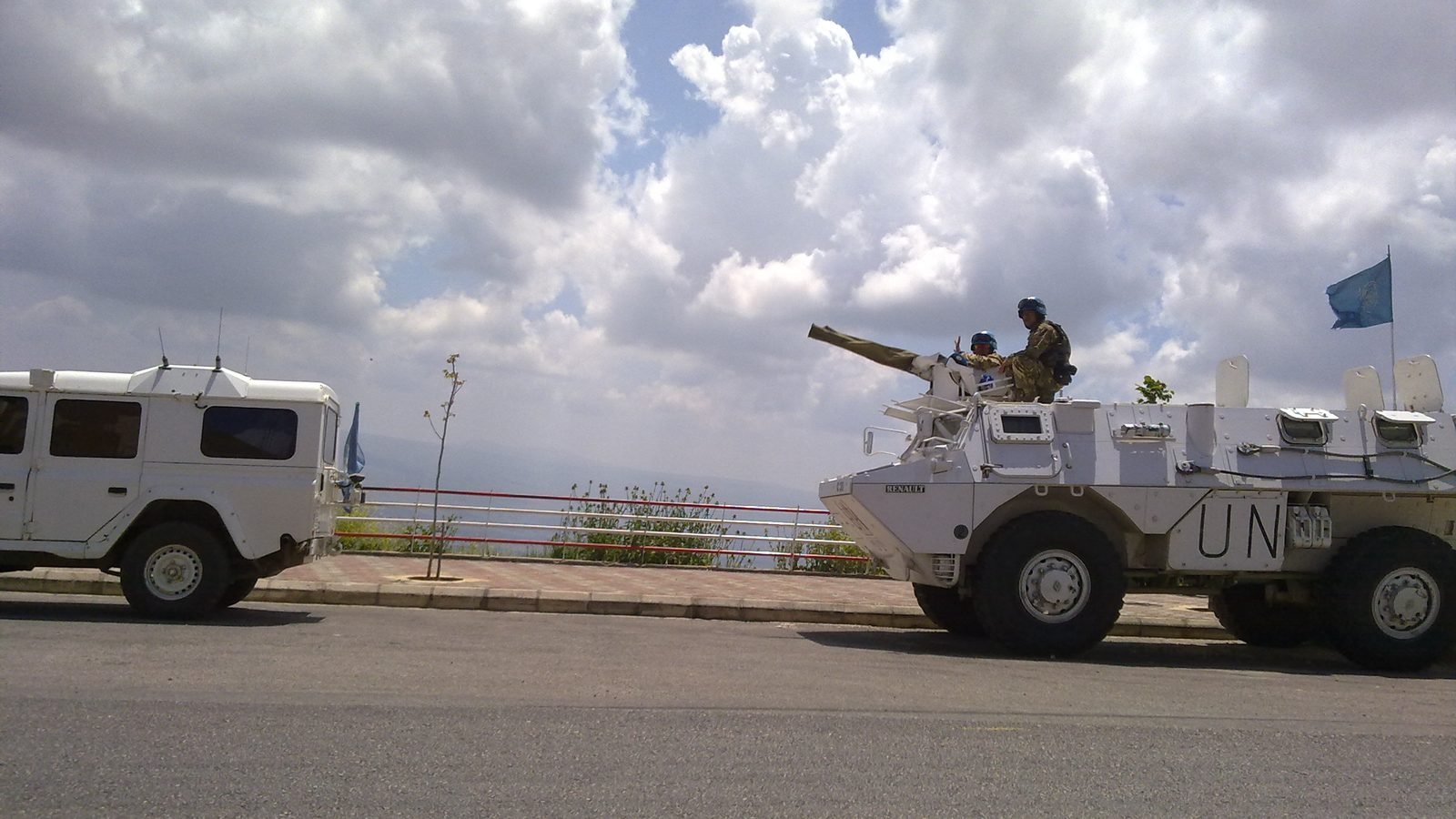
The United States has not given Israel approval to execute a large-scale operation in the Ali al-Tahir heights, according to reports circulating Monday. General Joseph Clearfield, who heads the ceasefire monitoring mechanism in Lebanon, made a visit that did not result in the expansion of trial verification zones. Sources indicated no clear basis has yet emerged for how nations will be selected to participate in verifying Hezbollah disarmament in Lebanon.
Hezbollah has not received Iranian clearance to conduct operations against Israel, according to sources cited in media reports. Israeli media, however, circulated assessments that Hezbollah fighters believed to be in the Ali al-Tahir heights and said by Israel to be trapped there possess limited supplies. The source and timing of American pressure on Israeli operations remain unclear, though the pattern of constraint followed by renewed escalation suggests ongoing negotiation over the scope and timing of military action.
The intensity of operations reflects deep uncertainty about the trajectory of the conflict in the south. Israeli forces have demonstrated the ability to sustain multi-form pressure through air strikes, artillery, and ground demolitions, yet the decision not yet to launch the broader operation that Clearfield's presence and Israeli military positioning suggest is being prepared indicates that diplomatic constraints remain in effect. The mention of limited Hezbollah supplies and the focus on the Ali al-Tahir heights suggest this location remains the flashpoint most likely to determine whether the conflict expands.
What happens next depends on whether American policy toward a larger operation shifts and whether Hezbollah receives Iranian authorization to escalate in response to Israeli operations. The restriction of operations to the south rather than expansion into new areas suggests existing agreements are holding despite pressure from both sides. The presence of international monitors and American diplomatic activity indicates that escalation remains constrained, though the pattern of Israeli strikes suggests Israel continues to prepare for a potential broader campaign if political or military circumstances change.