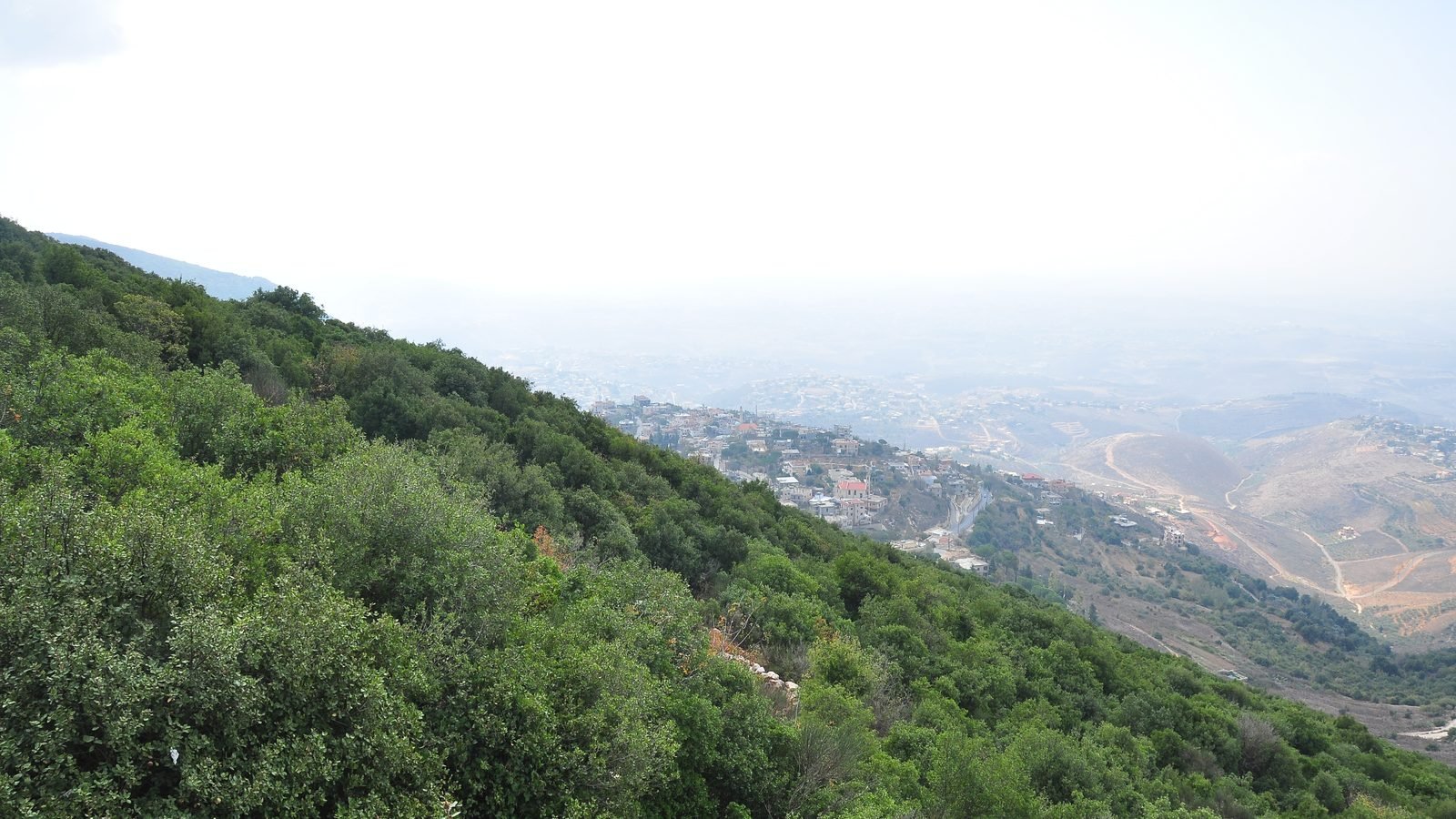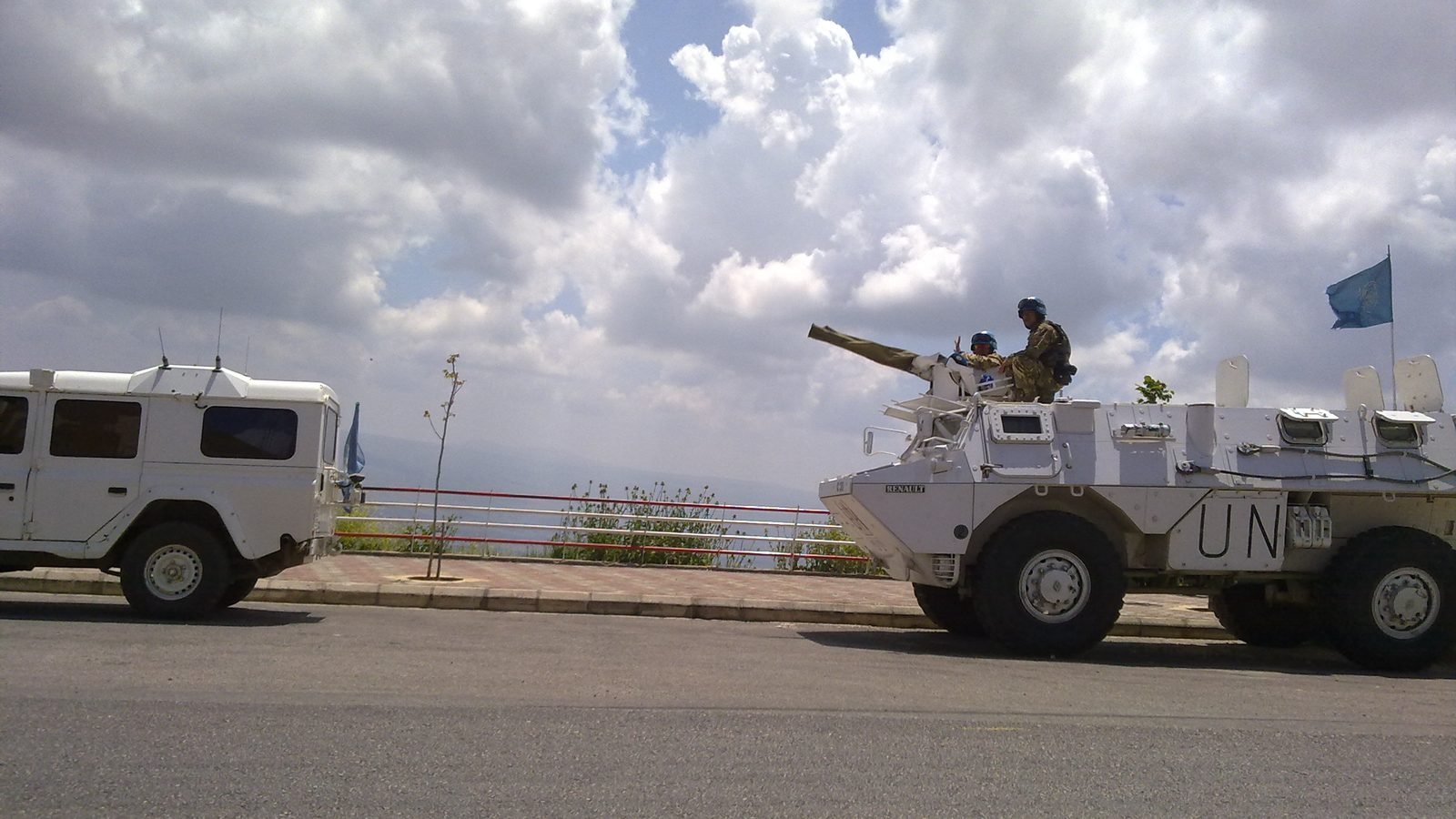

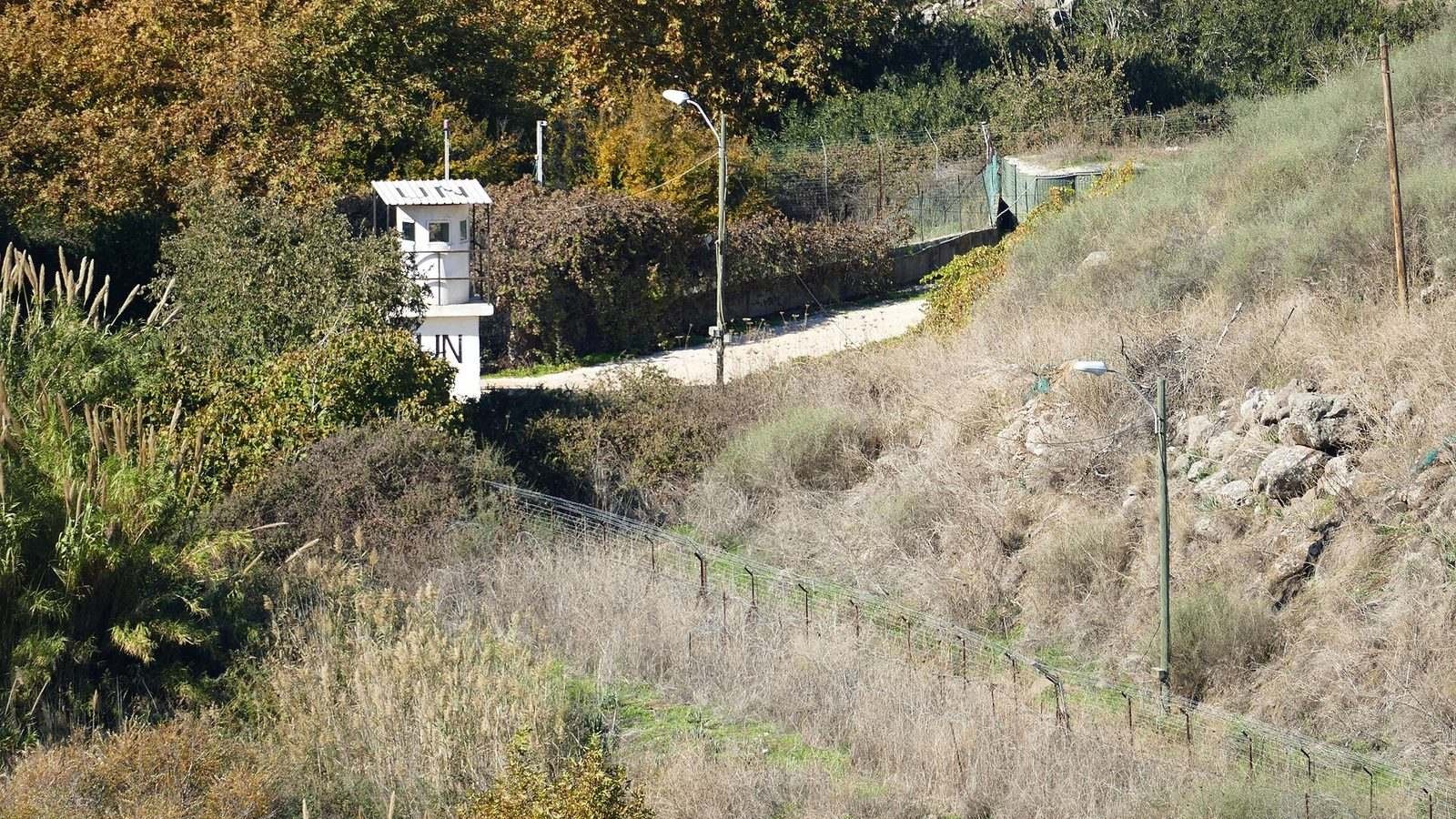
The Israeli military says it has eliminated Hezbollah's strategic tunnel system in the Ali al-Tahir heights, a facility Iran built for the militant group.
The Israeli military continues operations against Hezbollah in the Ali al-Tahir heights, targeting what it describes as the group's military systems and field commanders. Israeli forces are deliberately keeping their operations at a low profile to avoid prompting Iranian intervention as Hezbollah faces mounting pressure, according to reporting on the campaign.
Three soldiers from the Israeli combat engineering unit Yahalom were wounded during military activity in the Ali al-Tahir region over the weekend. The injuries occurred as Israeli forces pressed their campaign in the area.
The Israeli operation aims to maintain pressure on Hezbollah while targeting dozens of fighters sheltering inside what Israel calls "shelter cities" a reference to the strategic tunnel network built by Iran for Hezbollah's use. These tunnels were designed to serve as a decisive asset for Hezbollah's Badr Brigade in both defensive and offensive operations against the Israeli military.
The tunnel network represents one of the most significant military installations Iran constructed in Lebanon. It was meant to provide Hezbollah with protected positions and command capability in the event of a broader conflict with Israel.
An Israeli drone strike on Saturday wounded the three soldiers and prompted Israeli forces to strike Hezbollah fire control systems in the region. The military followed up with broader strikes against two regional command centers in the Nabatieh area, one belonging to Hezbollah's Badr Brigade and the other to a unit called Rida Force.
According to the Israeli account, the strikes killed the operations officer of the Badr Brigade and a company commander in Rida Force. The targeting of these command elements represented an escalation beyond the immediate response to the weekend attack.
Israeli military planners currently prefer to continue operations in Ali al-Tahir with minimal public attention, judging that high-profile operations risk triggering an Iranian response to Hezbollah's deteriorating position. The calculation reflects concern that any dramatic shift in the military balance could draw Tehran into a broader confrontation.
Hezbollah now faces a strategic crossroads. The group is watching the Lebanese government pursue negotiations with Israel under American sponsorship while recognizing that Iran is not moving to defend its fighters in the Ali al-Tahir heights, reports suggest.
The Israeli dilemma centers on continuing to pressure Hezbollah while avoiding actions that could escalate the conflict in Lebanon to a wider level. This tension between military objectives and escalation management is likely to shape Israeli operations in the coming period. Any shift in that calculation could change both the pace and scope of the fighting in the Ali al-Tahir region.