
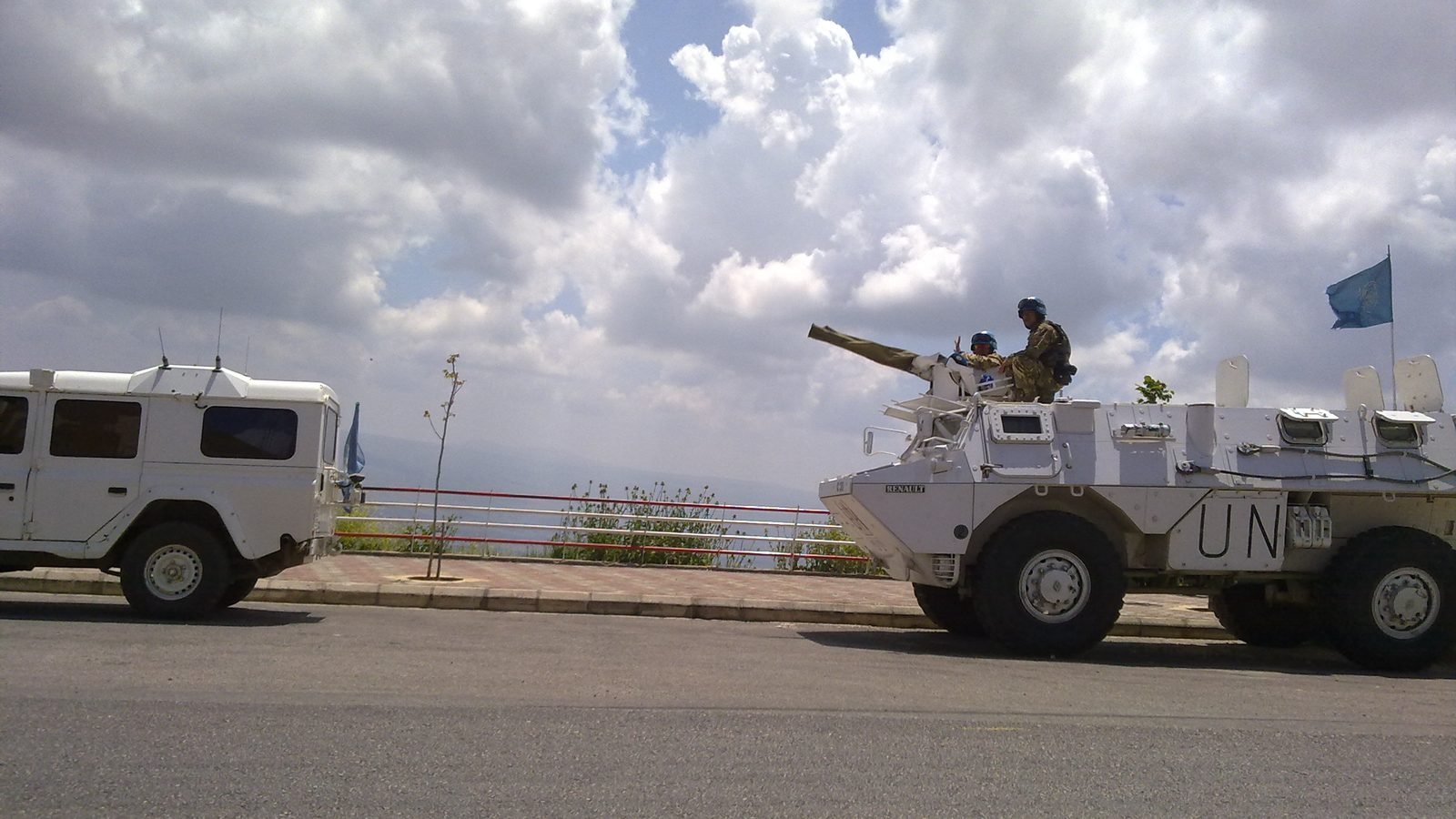
France is drafting a Security Council resolution to establish a new international mission to implement Resolution 1701 in Lebanon's south, facing expected American opposition.
France has begun wide consultations on a new Security Council resolution that would create an entirely new international mission with tasks similar to UNIFIL's current mandate, specifically to enforce Resolution 1701. The move follows parliamentary sessions in late August and comes as France holds the council's rotating presidency.
France and most Security Council members, except the United States, argue a new international force is necessary to support the Lebanese army's deployment in the south given its limited current capacity. Such a force would also monitor Israeli activity and violations of Resolution 1701, including Israeli surveying operations in southern Lebanon, and address concerns that UNIFIL's absence could obstruct displaced persons' return to their villages.
A rare Lebanese parliamentary consensus supports extending UNIFIL, with 86 lawmakers signing a petition for renewal, excluding blocs from Hezbollah and the Lebanese Forces. President Joseph Aoun, parliamentary speaker Nabih Berri, and the government all back continuation, encouraging Paris to propose an alternative formula that would account for expected American opposition while meeting Lebanese demands.
France plans to secure and present an acceptable formula to the Security Council before year's end to avoid a security gap. If UNIFIL's mandate ends, the force would spend 2027 withdrawing its units and handing positions to the Lebanese army, which would need far larger deployments than currently allocated to southern Lebanon to fill the gap. Some positions fall within areas currently occupied by Israel, meaning the Lebanese army cannot access them and they may become de facto abandoned to Israeli control once UNIFIL departs.
The French resolution is expected to face fierce American objection as the Trump administration pursues a broader policy of reducing United Nations roles, dismantling some peacekeeping missions, and cutting or restricting American funding. Israel also opposes any new UN force that could monitor Israeli violations in Lebanon.
Most Security Council members, including the other four permanent members, appear inclined to support establishing a new international force, particularly following Lebanese consensus on continuing international presence in the south. Diplomatic sources suggest France will insist the new force's mission be limited to supporting the Lebanese army in implementing Resolution 1701, while Washington may try to impose the "Framework Agreement" as a political and military reference for any future international mission in Lebanon, potentially obstructing the French-international approach.
A parliamentary Foreign Affairs and Emigrants Committee meeting held yesterday, chaired by lawmaker Fadi Alameh, took on added significance. Defence Minister Michel Manssi, UN General Secretary representative Jean Arnould, ambassadors of countries contributing troops to UNIFIL, and Security Council members' ambassadors attended. The five permanent members' ambassadors were notably present, including a representative for U.S. Ambassador Michel Issa, who was absent due to travel.
France's search for a UN alternative to UNIFIL does not preclude a separate European Union track to establish a European mission providing direct assistance to the Lebanese army and internal security forces across Lebanese territory. The proposed European force would operate under bilateral agreements between Lebanon and individual countries as well as between Lebanon and the EU to deploy military trainers and advisers. This reflects escalating European support for Lebanon, which has risen from 60 million euros last year to approximately 100 million euros.
A diplomatic source said efforts focus on maintaining international forces in the south but the formula has not been settled. Sources suggest the preference leans toward forming European forces under UNIFIL command with American sponsorship. The source revealed U.S. flexibility regarding keeping international forces in the south to facilitate a ceasefire, defuse tensions, prevent renewed conflict, fully implement Washington's agreement, strengthen border monitoring, and assist the Lebanese army in performing its role and duties.