
The Israeli military is expanding firepower operations in southern Lebanon ahead of ground operations, with security officials warning the campaign could breach ceasefire terms and escalate beyond the contested Ali al-Tahir hilltop.
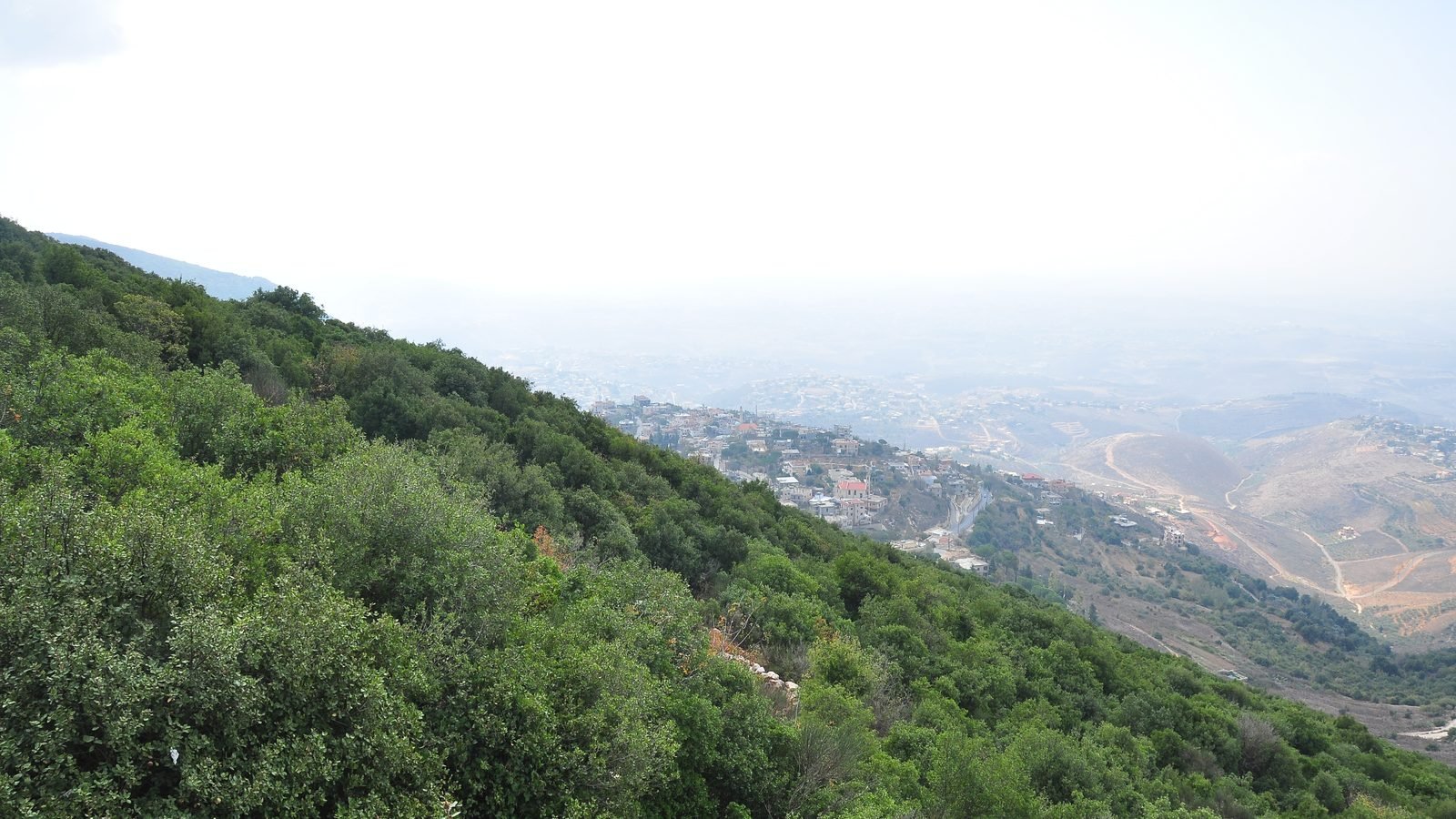
The Israeli military is widening the use of fire on southern Lebanon targeting positions it says pose risks to its forces, in an approach Israeli media outlets say aims to reduce dangers during ground movement. An unnamed security official told local outlets the atmosphere around Ali al-Tahir is "very concerning" because it risks undoing the ceasefire and breaking exclusions and neutralised zones that had been agreed.
The official said daily Israeli air strikes on the hilltop could point to a prepared plan for a broad assault. "But what compounds this worry is that if a confrontation happens, it may not remain confined to Ali al-Tahir. Even Israel itself cannot guarantee the outcome of such an attack," the official said.
The official identified Israeli elections scheduled for October as the main factor determining when an assault on Ali al-Tahir will occur and how it will be carried out. Netanyahu's political future depends on what he can frame as a victory against Hezbollah that will move Israeli voters to keep him in power, the official indicated.
Retired Brigadier Naji Malaab, a military and strategic analyst, said the hilltop represents Hezbollah's second line of defence. Its fall would expose Nabatiyeh and surrounding villages and affect supply lines to the south, he told a Lebanese broadcaster. Any Israeli advance toward it would likely face a major battle, Malaab said.
Malaab warned that expanded fighting over the hilltop could draw other areas into the conflict, particularly the Shiite suburbs south of Beirut, opening the door to broader regional consequences and possible Iranian intervention. He questioned whether Israel was seeking to draw Tehran into direct confrontation.
On negotiations, Malaab said Lebanon's turn to Washington was a sound decision and Americans appeared optimistic about reaching a settlement through gradual treatment of trial areas alongside Lebanese army deployment and disarmament work. An upcoming Paris conference to support the Lebanese army could form part of this path by strengthening military capacity, he said.
Israeli withdrawal remains a prerequisite for enabling the Lebanese state and army to assert authority and complete disarmament work, Malaab stressed.