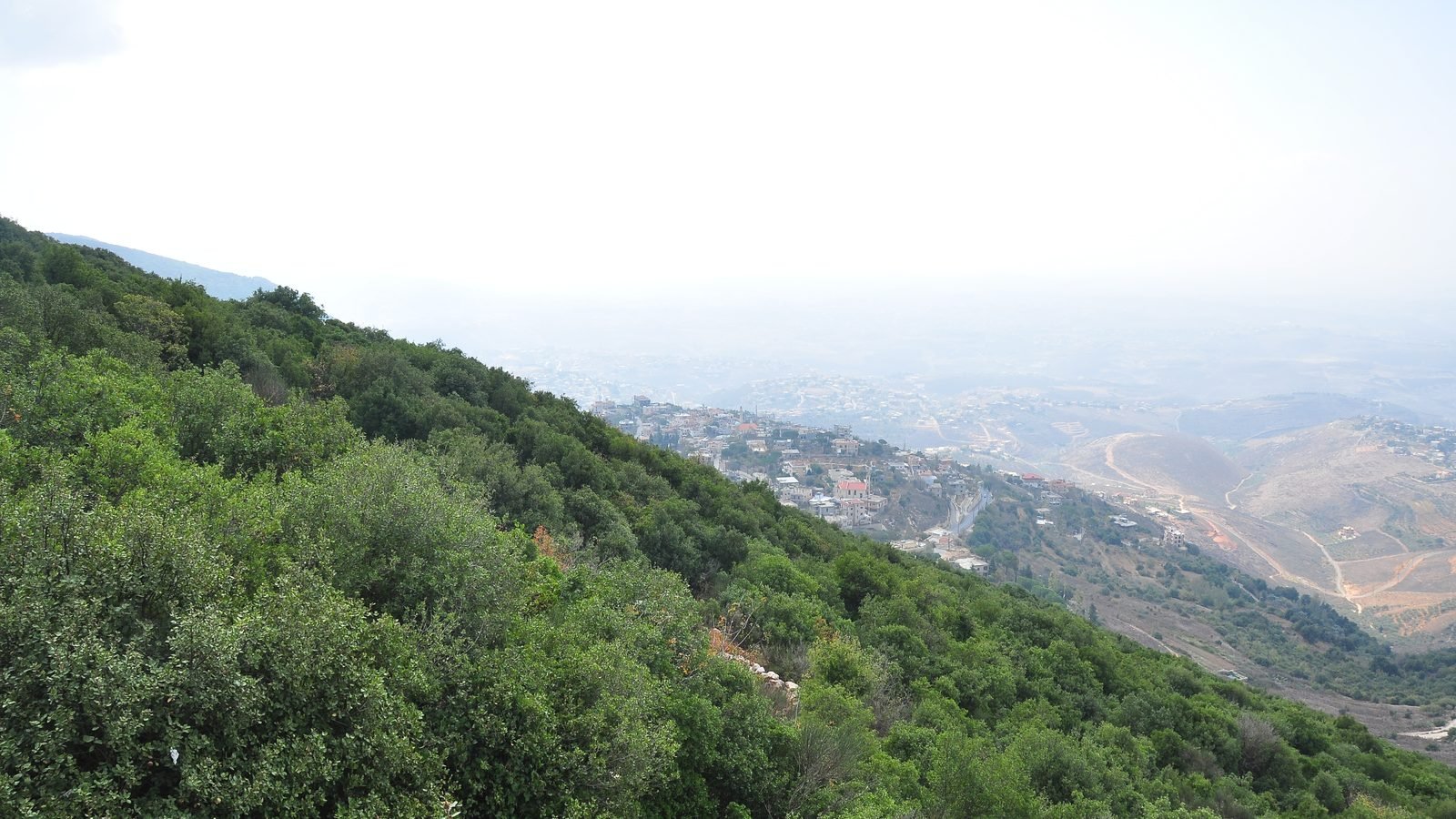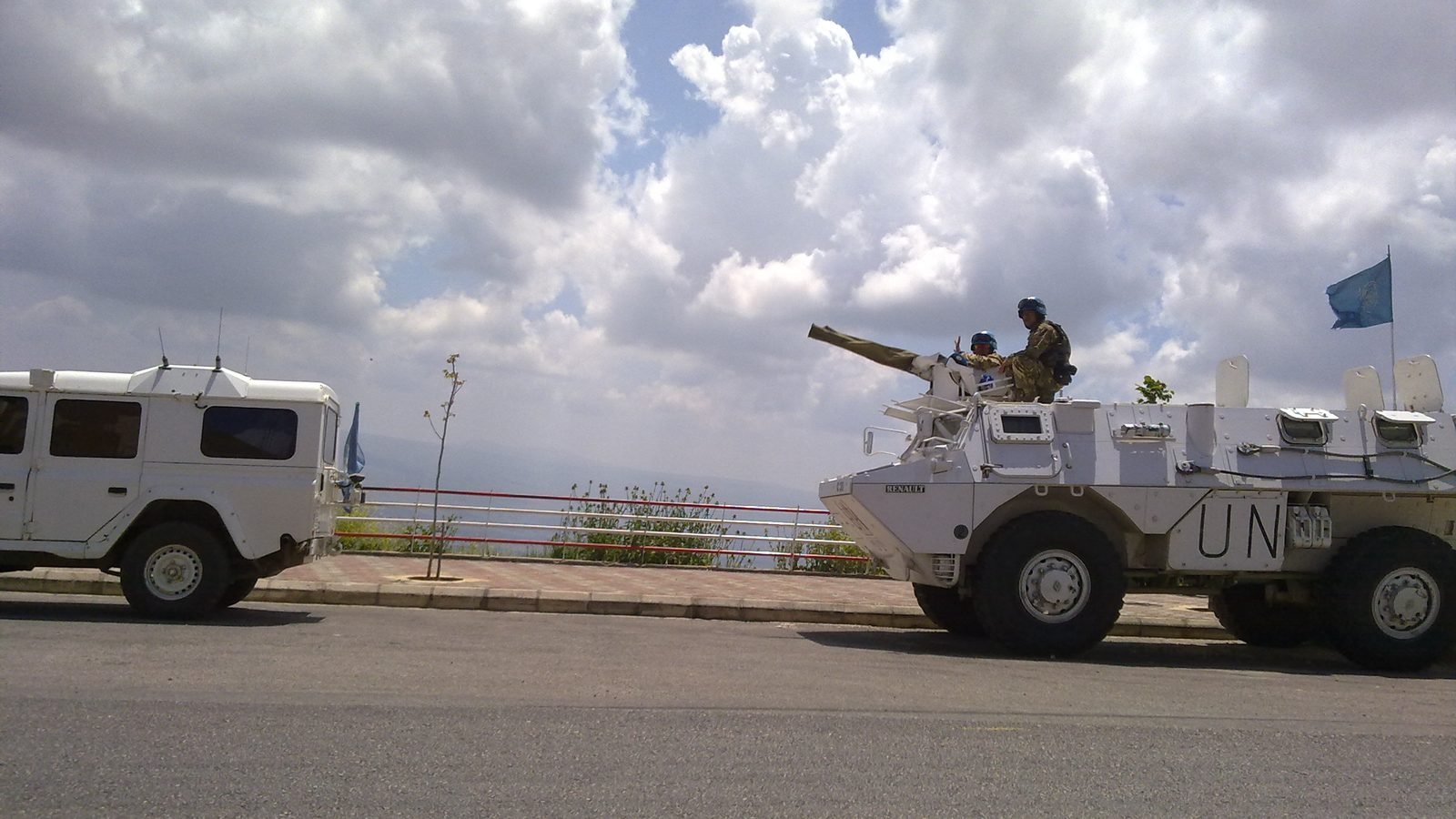

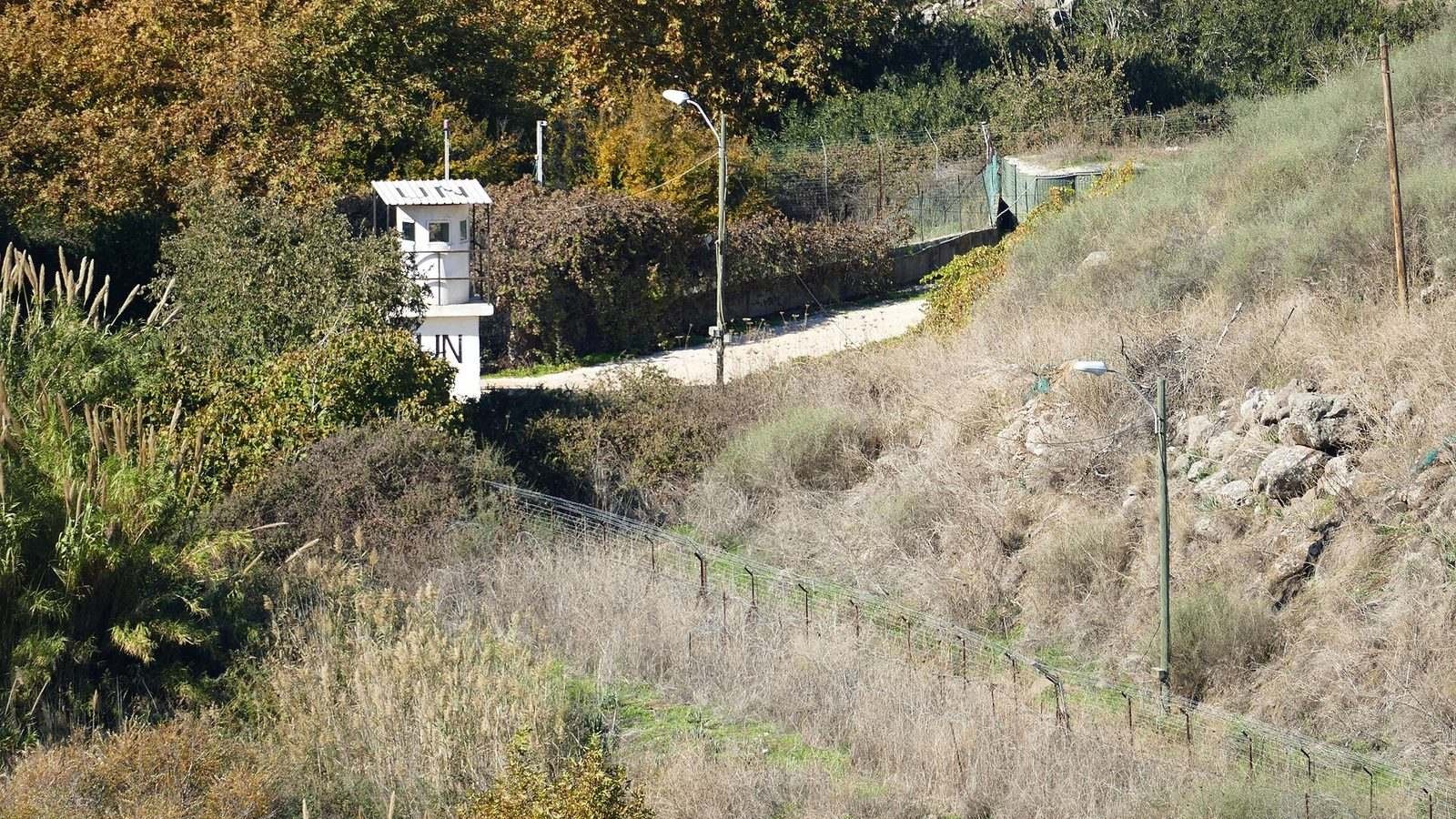
Israel has widened military operations in the Ali al-Tahir hills following rocket fire from Hezbollah, while diplomatic efforts stall with no date set for a new round of negotiations.
Political sources say the United States remains the only actor capable of achieving concrete progress before an eighth round of talks. American officials are pressing Israel to return to the negotiating table and are keen to keep the political process alive without resuming major military pressure, sources said.
Even though Italy's foreign minister announced Rome would host serious negotiations, the decision rests with Washington, sources added. Any breakthrough depends on agreement over a verification mechanism to confirm weapons have been removed from pilot zones, and substantial obstacles remain. Italy's willingness to play a role in verification is itself contingent on US approval and on securing consent from the Italian parliament.
Hezbollah sources said Deputy Hassan Fadlallah's visit to Tehran reflected ongoing coordination with Iranian leadership. Iranian officials told him that Iran holds a strong position given that Americans are signalling a desire to return to talks, including through the commander of Pakistan's armed forces.
The Iranian position calls for a return to the memorandum of understanding and for Lebanon as the first clause, and for continued backing of Lebanon as a priority, the sources said.
On the Ali al-Tahir battle itself, Hezbollah sources said Israel has given no guarantees against entering the facilities. Israel is conducting a strategy of attrition, blockade and daily bombardment in an attempt to enter without prolonged fighting.
Three ceilings constrain the fighting, sources said. The American ceiling opposes a return to all-out war. The Iranian ceiling views the Ali al-Tahir battle as a breach of the Islamabad understanding, which placed limits on escalation and confined operations to the Blue Line and occupied territory. The third ceiling is set by Hezbollah, which holds that Netanyahu fears a return to war and rocket fire at a critical moment before elections.
In response to US Ambassador Michel Issa's statement that Washington was ready for dialogue if Hezbollah had something to offer, sources said this meant Hezbollah's withdrawal from Ali al-Tahir, knowing the party will not hand over its weapons now.