
More than 350,000 people remain displaced as tripartite negotiations between Lebanon, Israel and the United States make little headway, with disagreement over the strategic hill of Ali al-Taher blocking progress.
Nearly a month into talks in three pilot zones, the framework for resolving Lebanon's security crisis has produced no clear next steps. Israeli strikes on southern Lebanon have continued at high frequency, destroying civilian infrastructure and blocking the return of displaced residents to their homes.
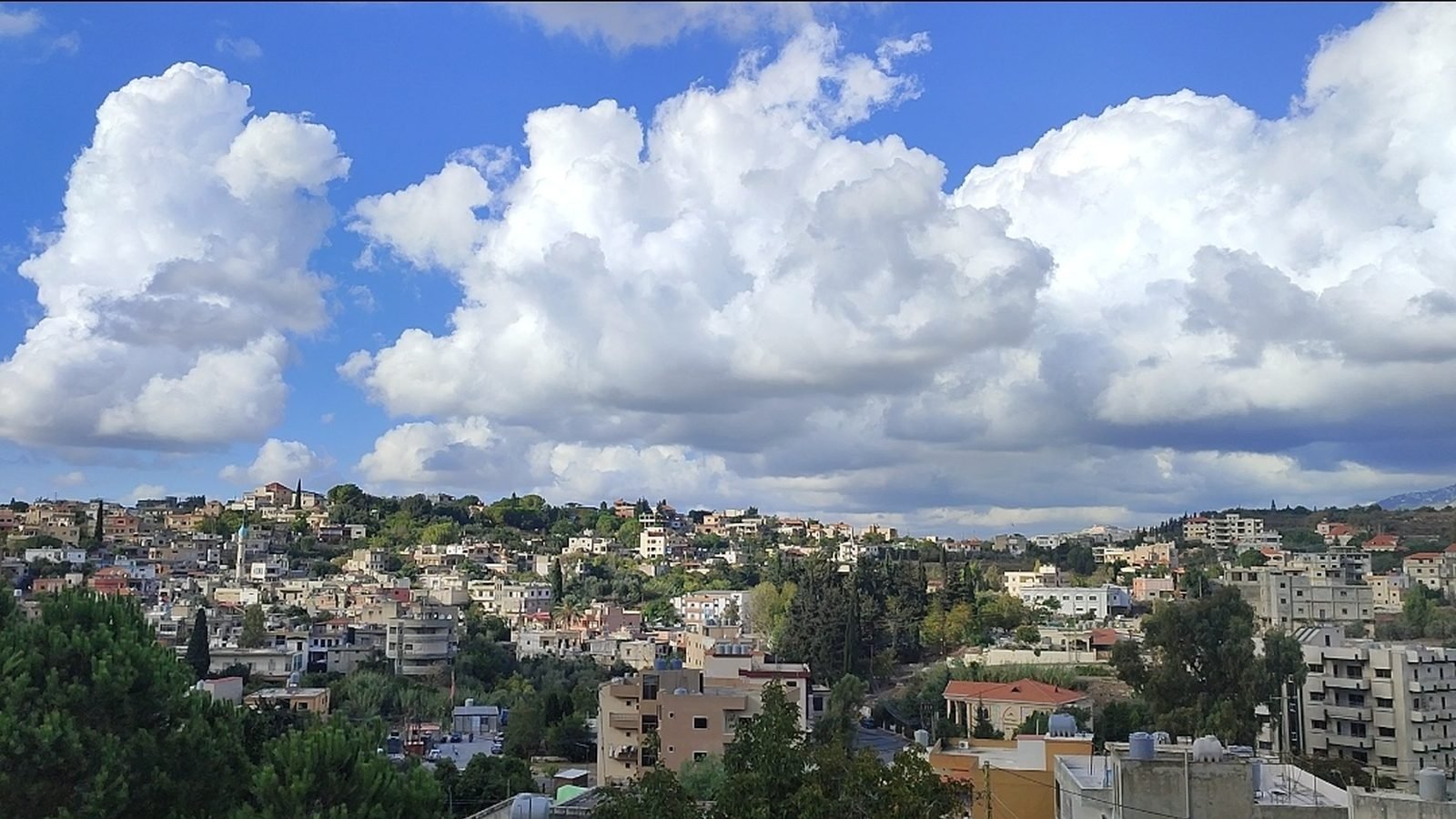
The hill of Ali al-Taher, which rises 600 metres above sea level and commands views over Nabatieh and cross-border territory, has become a focal point of dispute. Hezbollah MP Hassan Ezzeddine said the group would not cede the position and would "face any act of aggression" over it.
The talks expose the gap between easier arrangements in less sensitive areas and the difficulty of negotiating control of strategically important zones. Israeli attacks and Hezbollah counter-operations continue, while lack of clarity in the negotiations and Israel's record of breaching ceasefire terms have deterred displaced people from attempting to return.
The UN Interim Force in Lebanon's mandate expires on 31 December 2026. President Joseph Aoun has called for the mandate to be extended, though other alternatives including deployment of forces from other nations are under discussion.