
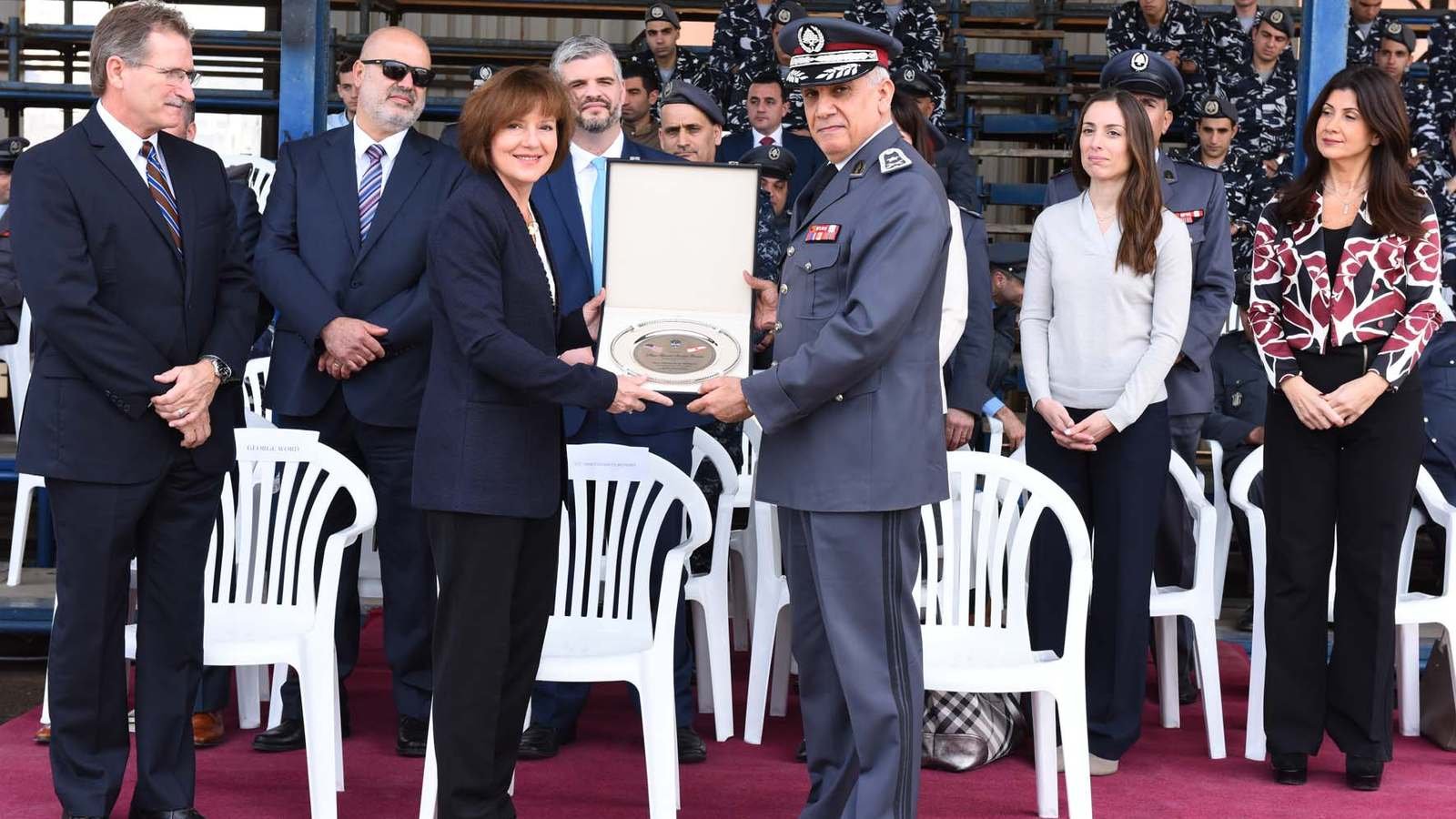
Sheikh Abdul Latif Derian, Lebanon's Grand Mufti, met with Army Commander Rodolphe Haykal at Dar al-Fatwa as part of regular consultations on the state of the country.
Sheikh Abdul Latif Derian, the Grand Mufti of the Lebanese Republic, received Army Commander Rodolphe Haykal at Dar al-Fatwa on Tuesday. The meeting was part of the Mufti's ongoing consultations to monitor the general conditions in the country.
The encounter took place among a series of scheduled receptions the Mufti held at Dar al-Fatwa that day. These regular meetings between senior religious and military officials are a longstanding practice in Lebanon's governance structure.
Dar al-Fatwa, the official residence of the Grand Mufti, serves as a venue for discussions between Lebanon's senior civilian, military and religious figures. The building has historically hosted consultations on matters of national importance and institutional coordination.
The Grand Mufti, as the highest Sunni Muslim religious authority in Lebanon, holds a formal position in the state apparatus and regularly meets with senior officials across the security and political establishment. These consultations allow different branches of the state to exchange views on pressing matters.
The Lebanese Army, headed by Commander Haykal, is responsible for internal security and territorial integrity. Regular dialogue between the military leadership and other state institutions is a routine part of Lebanon's institutional functioning.
The timing and nature of such meetings reflect ongoing concerns in Lebanon about the security situation and general conditions facing the country. Officials at various levels maintain regular contact to coordinate on matters affecting national stability.
Consultations between the Mufti and military command typically cover issues ranging from security developments to the broader political and social climate. The meetings serve as a mechanism for information-sharing between key institutions.
The Grand Mufti's role includes not only religious guidance for the Sunni community but also participation in matters of state significance. His meetings with military and political figures underscore the interconnected nature of Lebanon's institutional landscape.
Such encounters, though often brief and ceremonial, reflect the web of consultations that characterise Lebanon's governance. They signal the importance attached by different institutional actors to maintaining lines of communication during periods of national concern.