
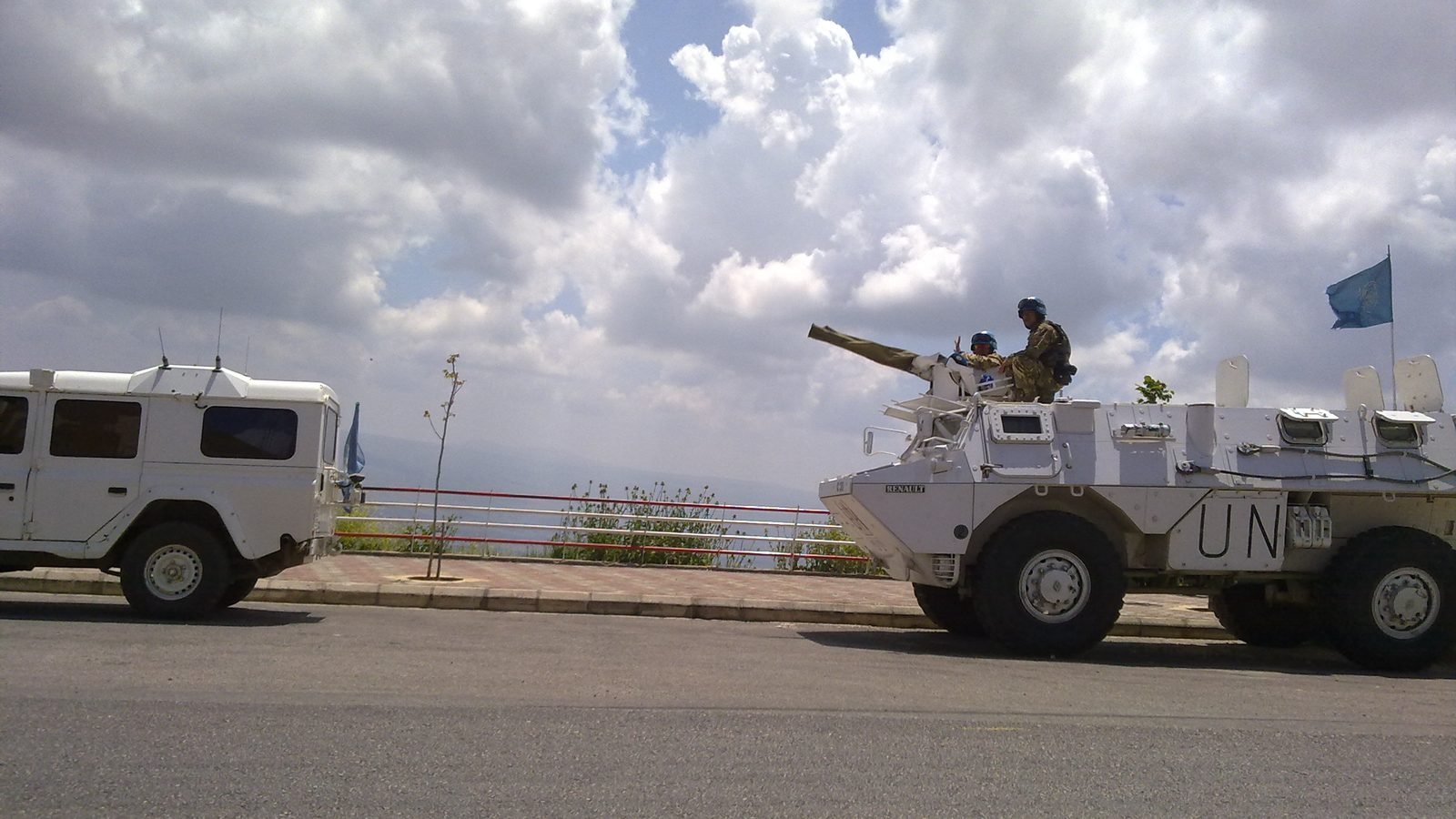
Lebanon will request the renewal of the UN peacekeeping mission UNIFIL at today's Security Council session, with a backup proposal for a new international force if the renewal is rejected.
Lebanon will request the renewal of UNIFIL, the UN peacekeeping mission whose mandate expires at year's end, during today's Security Council session. Should the council decline to renew UNIFIL, Lebanon will propose the formation of a new international UN force tasked with implementing UN resolution 1701.
Meanwhile, indications have emerged of possible direct dialogue between the United States and Hezbollah, signalled through American envoy Tom Niles and U.S. Ambassador Michel Issa. Hezbollah has maintained that any such contact should occur through Parliament Speaker Nabih Berri.
Political analyst Qassem Qassir said the Americans have sent indirect messages to Hezbollah proposing dialogue and have put forward ideas and suggestions. He described these overtures as signs of serious American interest in opening a direct channel with the group, though no final decision has yet been made by Hezbollah.
The U.S. President has publicly stated readiness for dialogue, and American envoy Tom Niles has said Lebanon's problems cannot be resolved without engaging both Hezbollah and Iran. Qassir assessed that sustained American efforts to establish direct contact with Hezbollah reflect serious intent.
Qassir linked prospects for such dialogue to broader regional developments, particularly the state of US-Iran relations. A renewed US-Iran understanding would make dialogue with Hezbollah more feasible, he said, whereas escalation would likely foreclose it.
On the military situation, Qassir said no clear picture has yet emerged, especially regarding what he termed the "Aliyeh" scenario, with all possibilities remaining open. Israel could pursue major escalation, but such a move might provoke strong responses from Hezbollah and Iran, potentially pushing the region into difficult terrain.
Qassir noted uncertainty about American intentions, whether the US aims for full-scale confrontation or prefers attrition, sustained pressure and territorial pressure aimed at reaching some settlement. He stressed that all scenarios remain possible and no one can predict what will unfold in coming days.
Regarding Iran's position should such a conflict occur, Qassir said all possibilities remained open, with current information still inconclusive. Iran's national security council secretary Mohsen Rezaei has affirmed a "red line" concerning Beirut and the southern suburbs, but has made no definitive commitment, he noted.
Qassir assessed that any US-Iran accord or settlement would naturally affect Lebanon, given Lebanon's place as a fundamental element in US-Iran understanding. A restored understanding between Washington and Tehran would benefit Lebanon's situation, whereas escalation between them would similarly harm it, he said, emphasising that the paths cannot be separated.