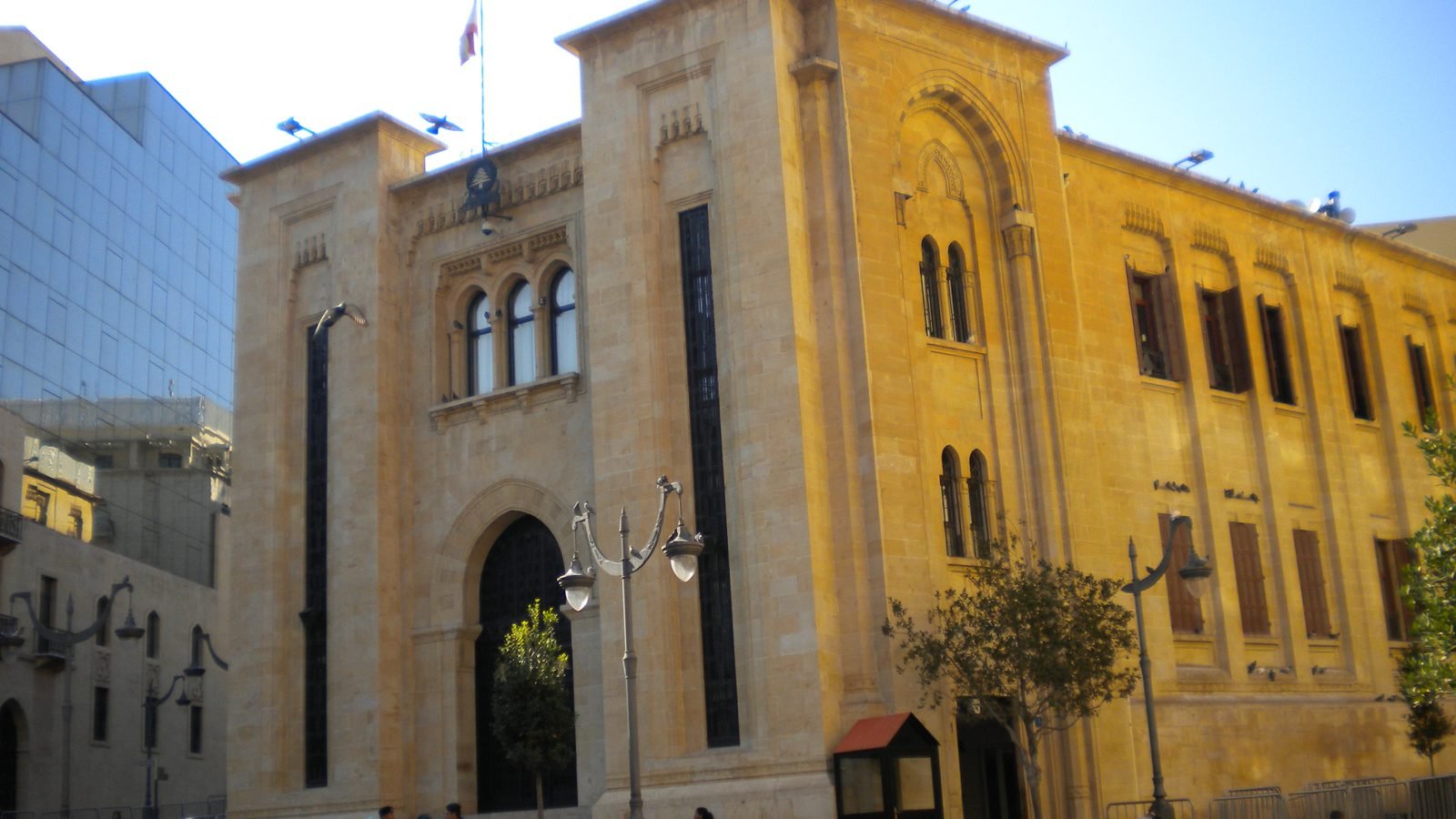

President Joseph Aoun and Prime Minister Nawaf Salam are negotiating with the European Union to deploy a European military force in southern Lebanon after UNIFIL's mandate ends in 2026.
Lebanon has entered active negotiations for a new international military force to succeed UNIFIL in the south, with President Aoun and Prime Minister Salam leading efforts to establish a military cooperation framework with the European Union. An Italian-led European force may form the nucleus of any replacement, according to informed sources.
During a visit by Italian Defence Minister Guido Crosetto to Beirut, President Aoun said Lebanon welcomes Italian and other European participation in any successor force. The Italian minister confirmed Rome wishes to maintain forces south of the Litani River, and that other European states are considering the same option.
Washington supports the Lebanese initiative but favours a limited force with the confidence of the United States and Israel, with a central role for Germany and Scandinavian countries, sources said. The proposal is German in origin but was coordinated in advance with Washington and Tel Aviv.
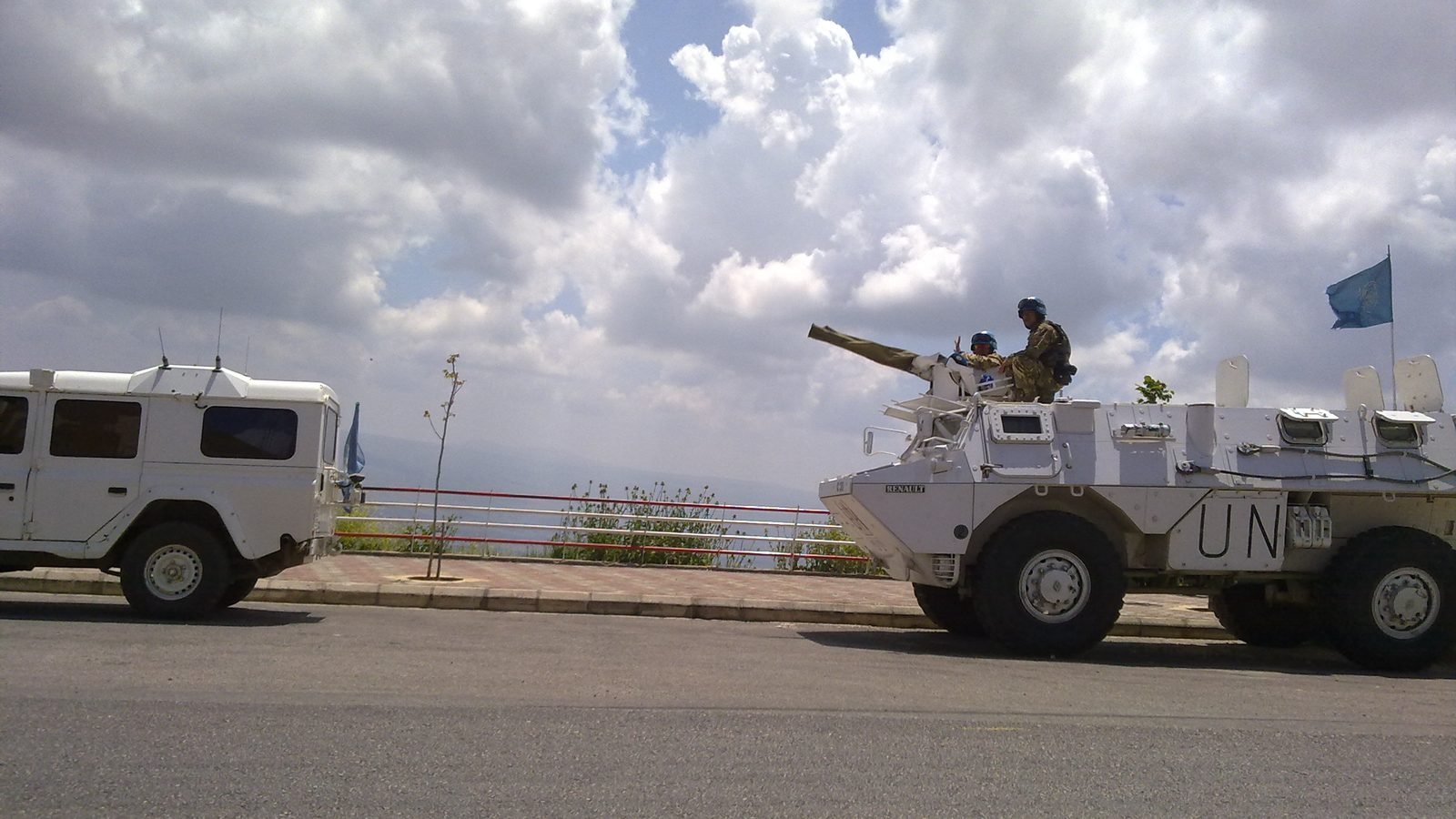
Security Council Resolution 2790 extended UNIFIL's mandate to 31 December 2026, with operations to end thereafter and an organized withdrawal to occur during 2027. The resolution asked the UN Secretary-General to study future options for monitoring the Blue Line and supporting Lebanese army deployment south of the Litani.
Israel has pressed diplomatically and operationally to end UNIFIL, arguing the force failed to prevent the expansion of Hezbollah capabilities and could not counter threats to Israeli settlements and territory. The United States supports Israel's position against renewal, citing the same justifications and pushing toward new security arrangements based on a framework agreement from June.
The United States prefers replacing international forces with broad Lebanese army deployment to assume full security responsibility and work to seize weapons and prevent Hezbollah military and social expansion, positions largely aligned with the Israeli view.
Sharp disagreements exist over the mandate of any successor force. The new force would be required to verify that southern villages and towns are free of weapons and destroy Hezbollah infrastructure. The Lebanese army opposes this on legal and security grounds, requiring formal judicial warrants for such operations.
Disputes also concern the nationalities of military units that could replace UNIFIL. Israel has placed vetoes on Turkey, Spain and France. Hezbollah has rejected participation by Britain and Azerbaijan, citing their anti-resistance positions and security cooperation with Israel.