
An investigation by Lebanon's Public Prosecutor has found no evidence that Iranian nationals or Revolutionary Guard members obtained Lebanese passports through fraud, contradicting earlier media reports.
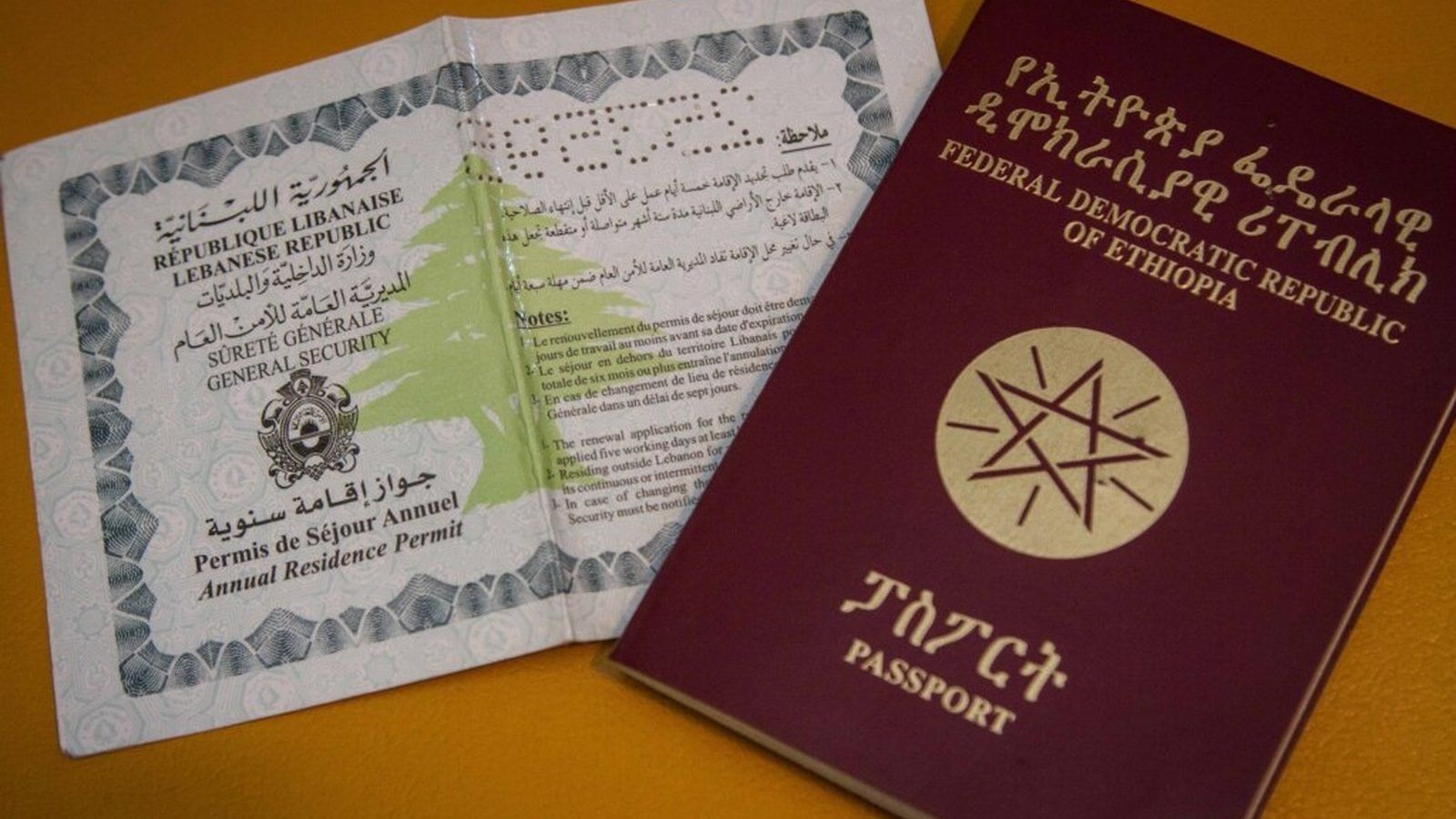
The General Directorate of General Security said in a March 8, 2026 statement that non-Lebanese nationals did not obtain passports through illegal means, describing circulating claims as lacking documented proof. Public Prosecutor Ahmad Rami al-Hajj reopened the forged passport file after taking office on April 30, 2026, and ordered an expanded inquiry into allegations that Iranians had secured Lebanese travel documents.
The investigation examined names of beneficiaries and seized files and found no Iranian among those issued passports illegally. Investigators established that none of the recipients was a member of the Iranian Revolutionary Guard or used data of a deceased Lebanese national to travel in or out of the country.
Earlier inquiries had documented the fraudulent issuance of more than 60 passports between 2021 and 2022 through manipulation of documents and processing of exceptions. Two General Security personnel were convicted and sentenced to five years in prison. A third suspect remains at large. But the expanded investigation found no link between the beneficiaries and Iran or the Revolutionary Guard.
General Security contacted the U.S. Embassy in Beirut to verify claims attributed to an unnamed American intelligence source. The embassy replied that it had no knowledge of the allegations and had not sent the directorate any documents, names, passport numbers or formal investigation request to substantiate them.