

The Israeli army struck multiple locations across southern Lebanon on Tuesday night and into Wednesday morning, including residential areas and hilltop positions.
Israeli forces carried out overnight strikes across southern Lebanon, targeting al-Khiam, Mays al-Jabal, the Ali al-Taher hill, the outskirts of Wadi Zebqine and a house in Nabatieh al-Fawqa. The military also detonated charges in Hadatha, al-Khiam and al-Mansouri in what marked a continuation of cross-border operations along the Lebanese side of the boundary.
The strikes hit a mix of populated areas and terrain held by armed groups in the border region. A residential structure in Nabatieh al-Fawqa sustained direct fire, while the hilltop position at Ali al-Taher and surrounding areas absorbed multiple rounds of shelling during the overnight operation.
The scope of the strikes reflected an escalation in the pattern of Israeli military activity that has intensified since October 2023. The operations have largely concentrated on the border zone and villages in the south, with occasional strikes reaching further north into Lebanese territory.
The detonations in three separate locations suggest a coordinated operation designed to suppress specific positions or supply lines. Israeli forces have conducted similar multi-site operations on previous occasions, though the exact military objectives of each strike are rarely disclosed by the army.
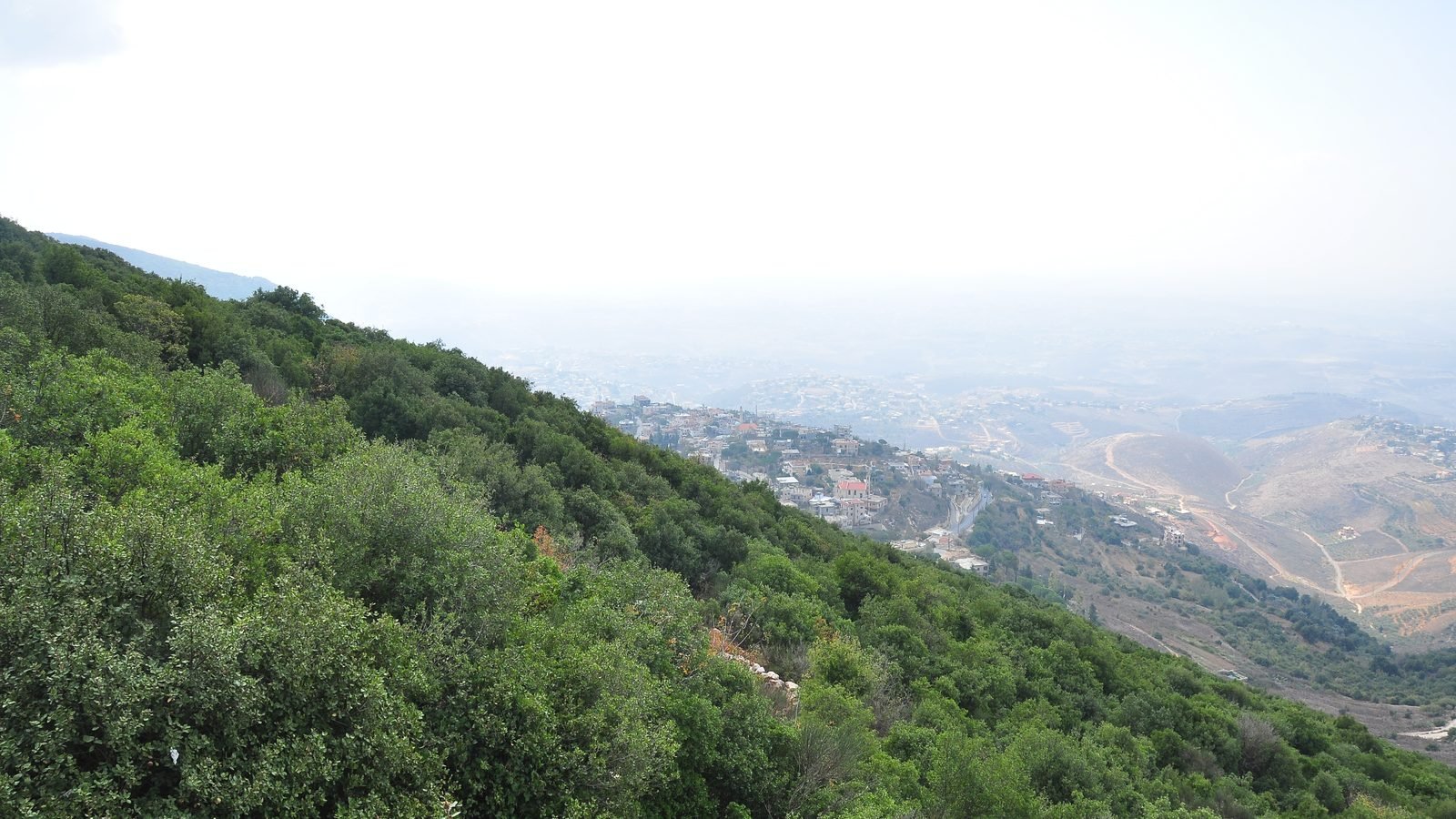
The Ali al-Taher hill has held strategic importance throughout the decades of Israeli military operations in Lebanon, commanding views across the border region and serving as a position from which fire can be directed toward Israeli communities on the opposite side of the boundary.
Residents of affected villages have grown accustomed to regular military operations, though the intensity and frequency of strikes have varied significantly depending on broader regional tensions. The overnight action underscores the persistent security challenge facing southern Lebanese communities living near the armistice line.
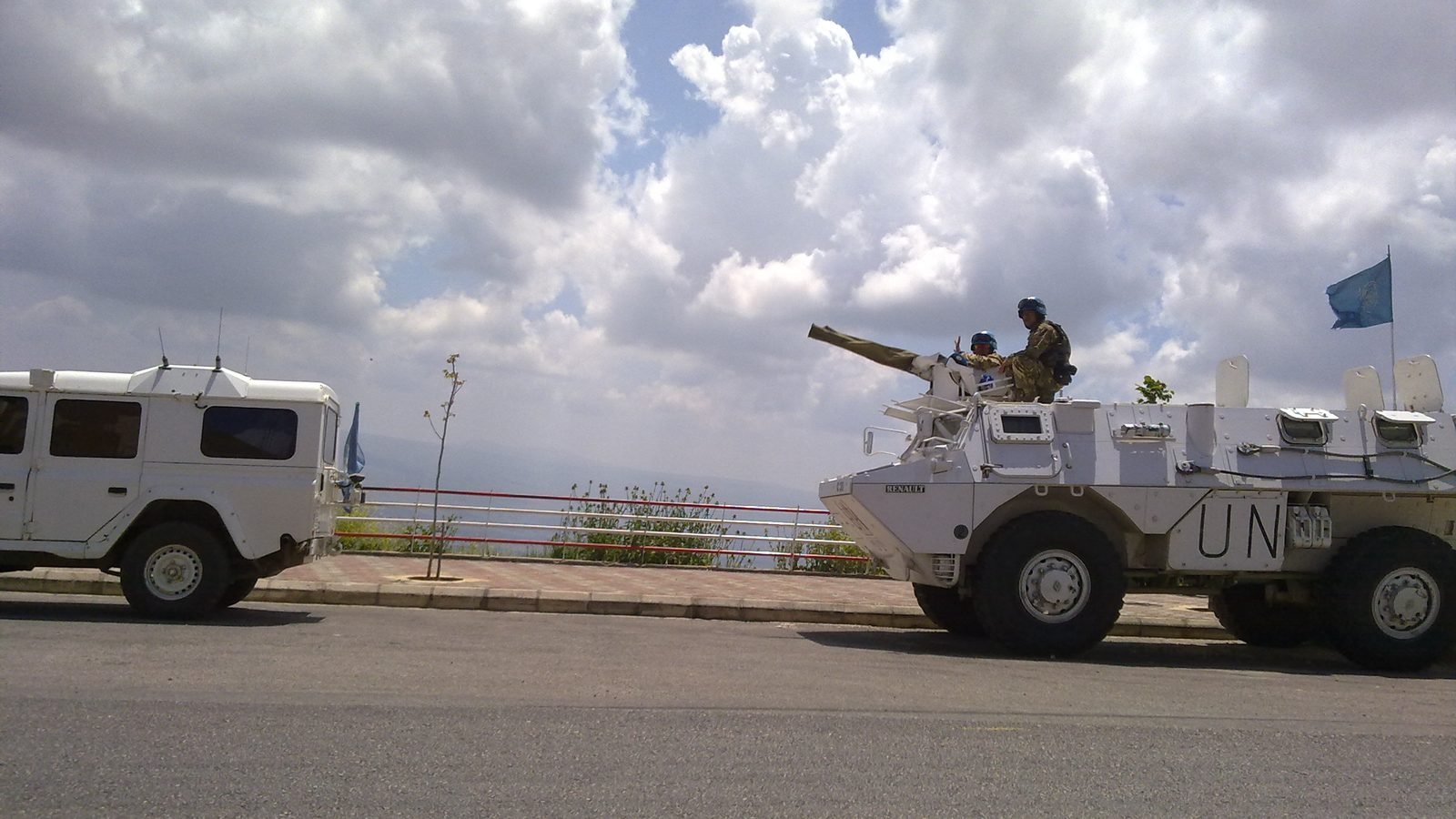
Lebanese authorities have not released statements regarding the damage from the strikes or any casualties. The military operations continue despite ongoing diplomatic efforts and the presence of United Nations peacekeeping forces in the south.
The strikes come amid a broader pattern of military exchanges that have defined the southern border since the establishment of a ceasefire framework in late 2023. Both sides have carried out operations that test the terms of the agreement while maintaining a general de-escalation compared to earlier periods.
What happens next depends on whether the strikes prompt reciprocal fire across the border or whether both sides maintain the current operational tempo. The ceasefire, while fragile, has prevented the kind of sustained conflict that characterized earlier phases of the current cycle of violence.