
Three Israeli airstrikes targeted residential buildings in the southern village of Nabatiyeh al-Fauqa, according to reports from the area.
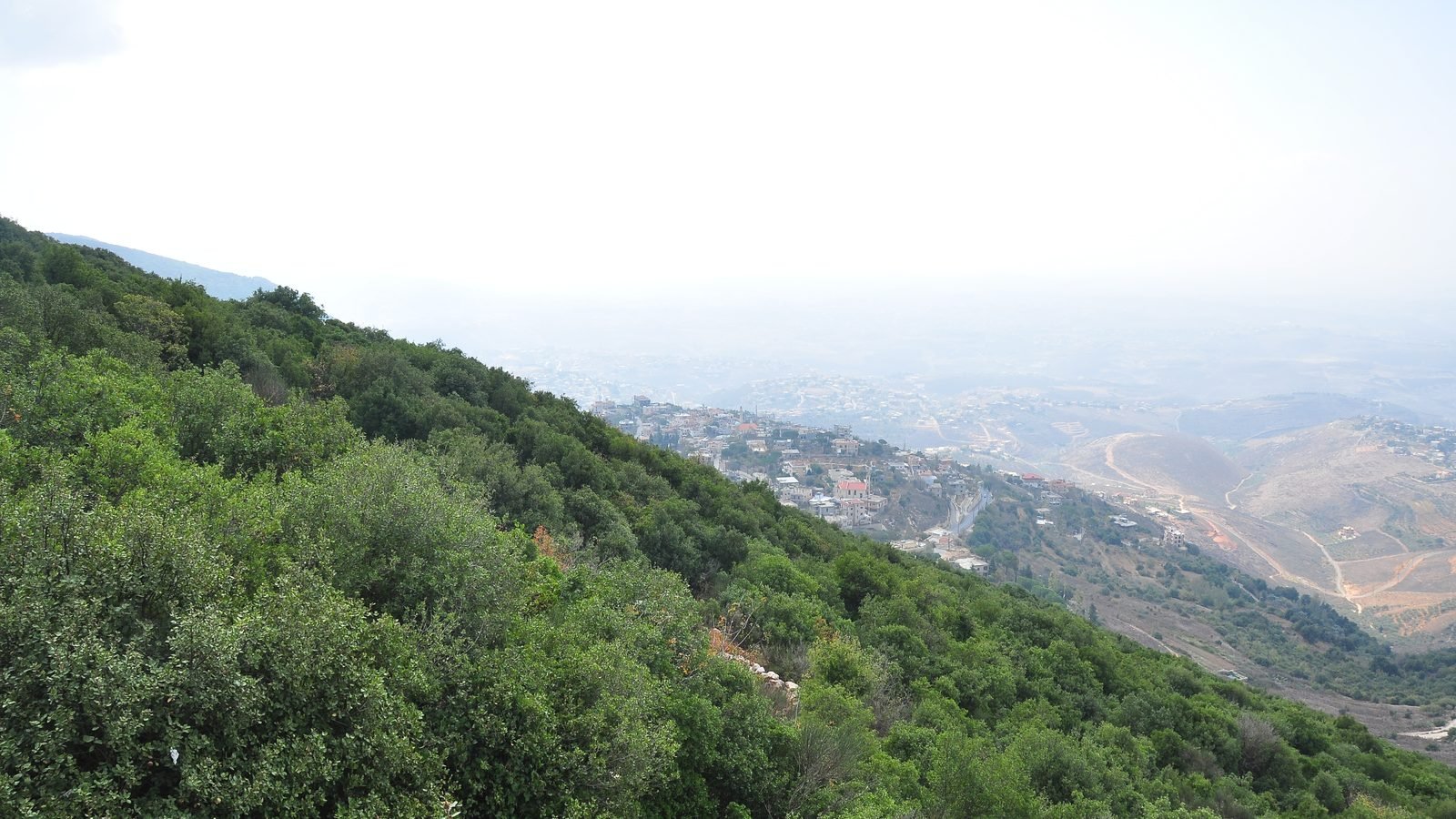
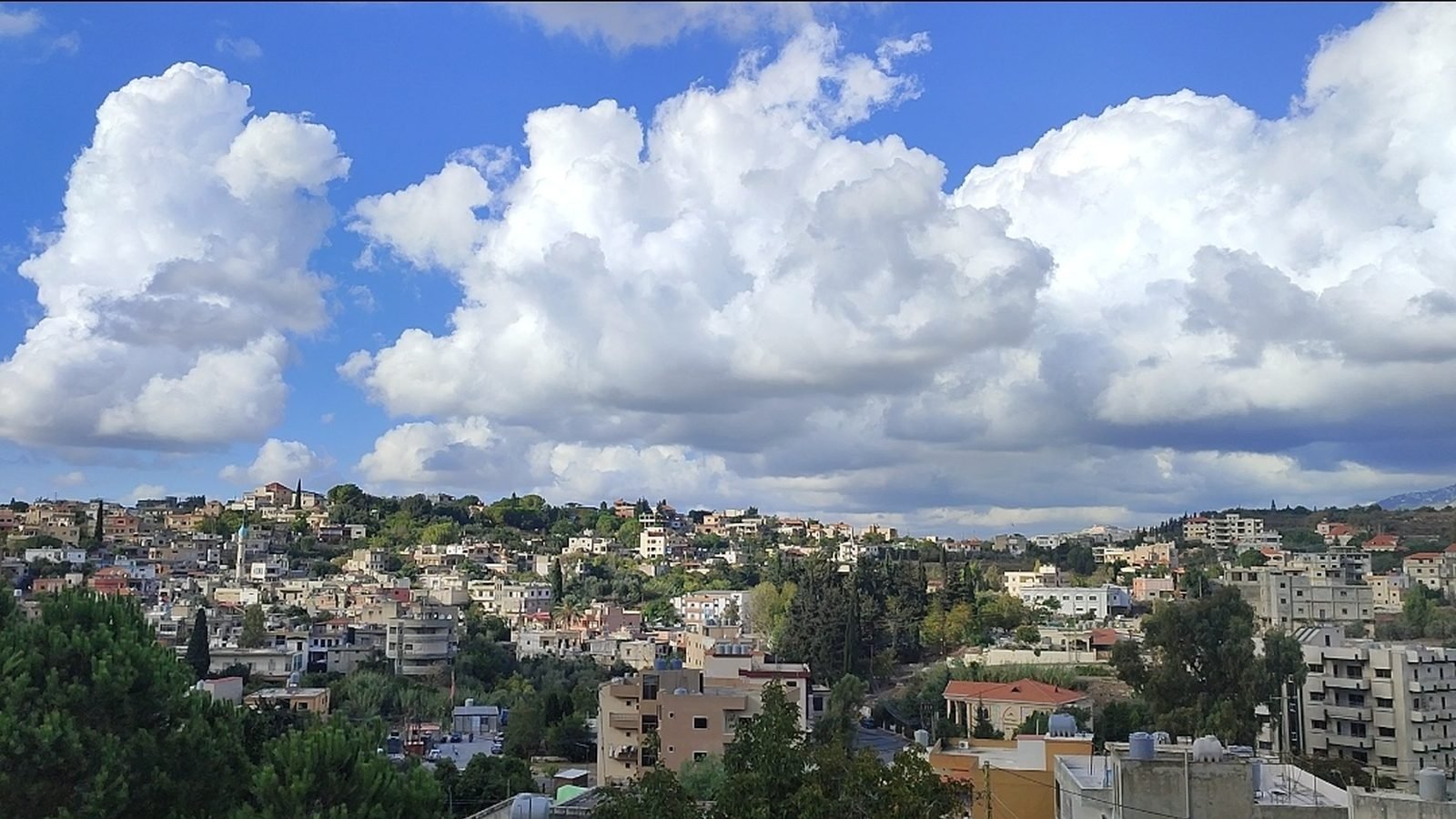
Three Israeli airstrikes struck the southern Lebanese village of Nabatiyeh al-Fauqa, hitting three residential homes according to accounts from the scene. The strikes represent a continuation of cross-border military operations in southern Lebanon during the ongoing security tensions between Israel and armed groups operating from Lebanese territory.
The specific time of the strikes and the extent of damage or casualties could not be determined from available accounts at the time of reporting. The village of Nabatiyeh al-Fauqa lies in the border region where security incidents have become increasingly frequent in recent months.
Nabatiyeh district, in southern Lebanon's Tyre governorate, has been a focal point of military activity and tension. The area has long served as a staging ground for groups opposed to Israel, making it a repeated target of Israeli military operations.
The strikes follow a pattern of escalating tensions along the Lebanon-Israel border, where incidents have intensified significantly since earlier this year. Both sides have engaged in periodic exchanges of fire and military operations across the frontier.
Israeli military operations in southern Lebanon have typically targeted locations identified as belonging to Hezbollah and other armed groups. Civilian areas in the region have also been affected by the military activity, leading to displacement and property damage among residents.
The Lebanese state has limited ability to enforce security along the border region, where armed groups maintain significant presence and operational capacity. This absence of state control has created a vacuum that both Israeli forces and non-state militias have exploited for their respective operations.
Lebanese authorities and international observers have expressed concern about the destabilizing effect of cross-border military operations on civilian populations in southern Lebanon. The ongoing insecurity has disrupted daily life and economic activity in border communities.
Residents of southern Lebanese villages have grown accustomed to periodic airstrikes and artillery fire, though each incident carries the risk of civilian casualties and destruction of property. Schools, hospitals, and public services in the area operate under constant threat of attack.
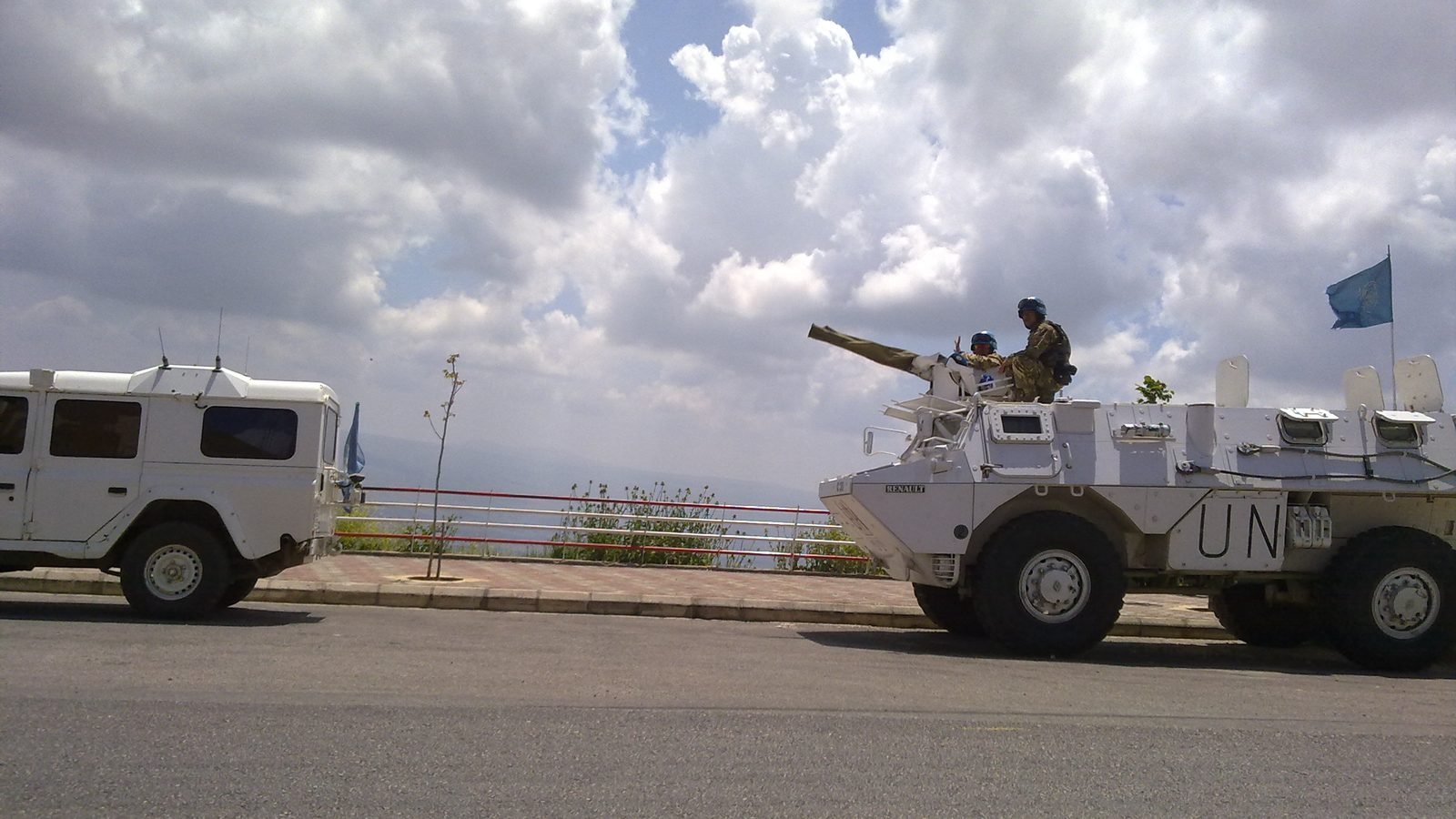
The international community has called for restraint from both Israeli and Lebanese actors, though efforts to establish permanent de-escalation mechanisms have repeatedly failed. The absence of a comprehensive political settlement to the underlying conflict leaves the security situation fragile and prone to renewed escalation.