
Israeli forces say they have taken operational control of the strategic Ali al-Taher ridge in southern Lebanon following intense operations against Hezbollah fighters in the area.
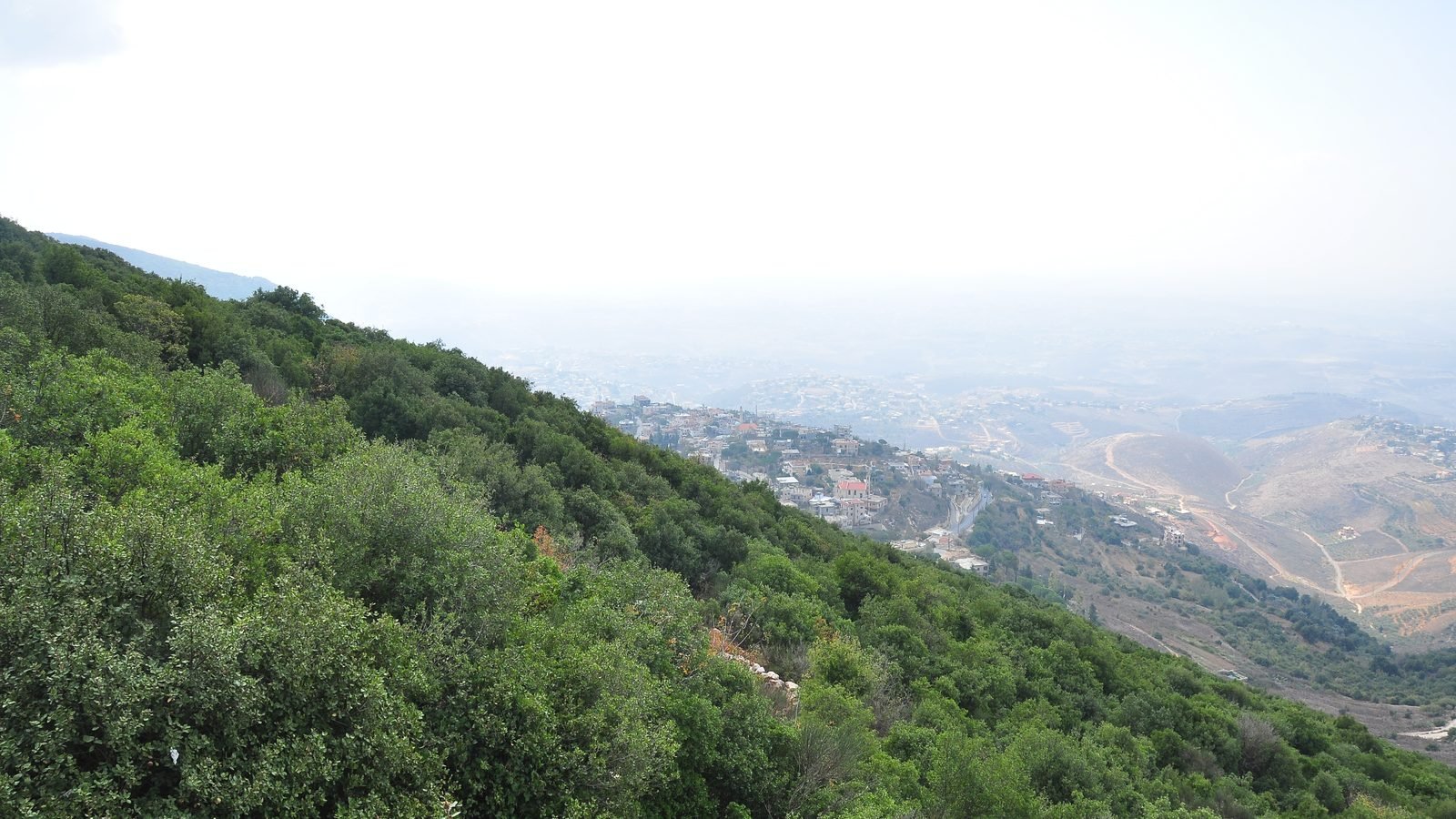
Israeli forces said Thursday they had taken operational control of the Ali al-Taher ridge in southern Lebanon after weeks of fighting. The strategic highland, site of clashes between Israeli troops and Hezbollah militants, overlooks villages and main roads leading to the city of Nabatieh.
Israel's Defense Minister Israel Katz said Friday that the capture marks completion of securing control over a security zone in southern Lebanon, and vowed that troops would not leave the area. The military said it had cleared Hezbollah fighters from two underground routes in the area, killing some while others fled, and that operations were ongoing.
Hezbollah is believed to have an extensive underground military facility at Ali al-Taher. Control of the ridge would disrupt the group's presence and supply lines in the region.
According to a source in the U.S. Embassy in Lebanon, the capture of Ali al-Taher may not be the end of Israeli operations. The source suggested that the Rihan and Sagd highlands could be among Israel's next targets if it decides to continue advancing and expanding the scope of operations.
Control of the Rihan and Sagd highlands would be strategically significant, potentially allowing Israel to extend its firepower control over the entire southern Lebanese region and significantly altering the military balance on the ground, making Hezbollah's position more difficult.
Before Ali al-Taher fell, there had been discussion of possible direct Iranian intervention if Hezbollah faced a major military defeat. Tehran had warned that widening the Israeli offensive would be met with an Iranian response. However, Ali al-Taher fell without Iran attacking Israel, suggesting Tehran's threat calculations toward Israel differ from its approach to the United States, with which it is currently engaged in lower-intensity confrontation.