
With the U.S.-Iran memorandum collapsed and Washington tightening economic pressure, analysts warn that Tehran may resort to military escalation across its regional networks, with southern Lebanon a potential flashpoint.
The U.S.-Iran Memorandum of Understanding lapsed on August 17 after collapsing within weeks of its signing. On August 20, U.S. President Donald Trump announced Washington was launching "economic warfare and isolation on an unprecedented scale" against Iran. Iran's Supreme National Security Council head Mohsen Rezaei warned two days later that Tehran would "retaliate in a seismic manner."
The MoU's collapse has removed a constraint on Iranian action in the region. On August 11, Rezaei stated that Iran demands "the war must end throughout the region, including Lebanon and Gaza." Iranian Parliament Speaker Mohammad Bagher Ghalibaf said days later that he was "in contact with the fighters on the front lines of the resistance in Lebanon."
Political analyst Mowafac Harb said that regardless of whether the U.S. and Iran head toward confrontation or settlement, Lebanon will be affected. "The Iranians want to link the Strait of Hormuz and any future arrangement with the U.S. to developments in Lebanon in order to preserve whatever is left of Hezbollah," Harb told This is Beirut.
The U.S.-brokered Trilateral Framework signed by Lebanon and Israel on June 26 calls for Hezbollah's disarmament and Israel's military withdrawal from southern Lebanon. Robert Satloff, executive director of the Washington Institute for Near East Policy, said keeping Lebanon's diplomatic track with Israel separate from the regional conflict is "a necessary condition for progress."
On August 20, the U.S. re-designated Hezbollah as a terrorist group "under the command of Iran's IRGC-Qods Force." Brian Katulis, senior fellow at the Middle East Institute, said the IRGC's control over Hezbollah's military operations has increased since Hassan Nasrallah's assassination in September 2024, with evidence that IRGC advisers are embedded directly in Hezbollah's leadership and command structures.
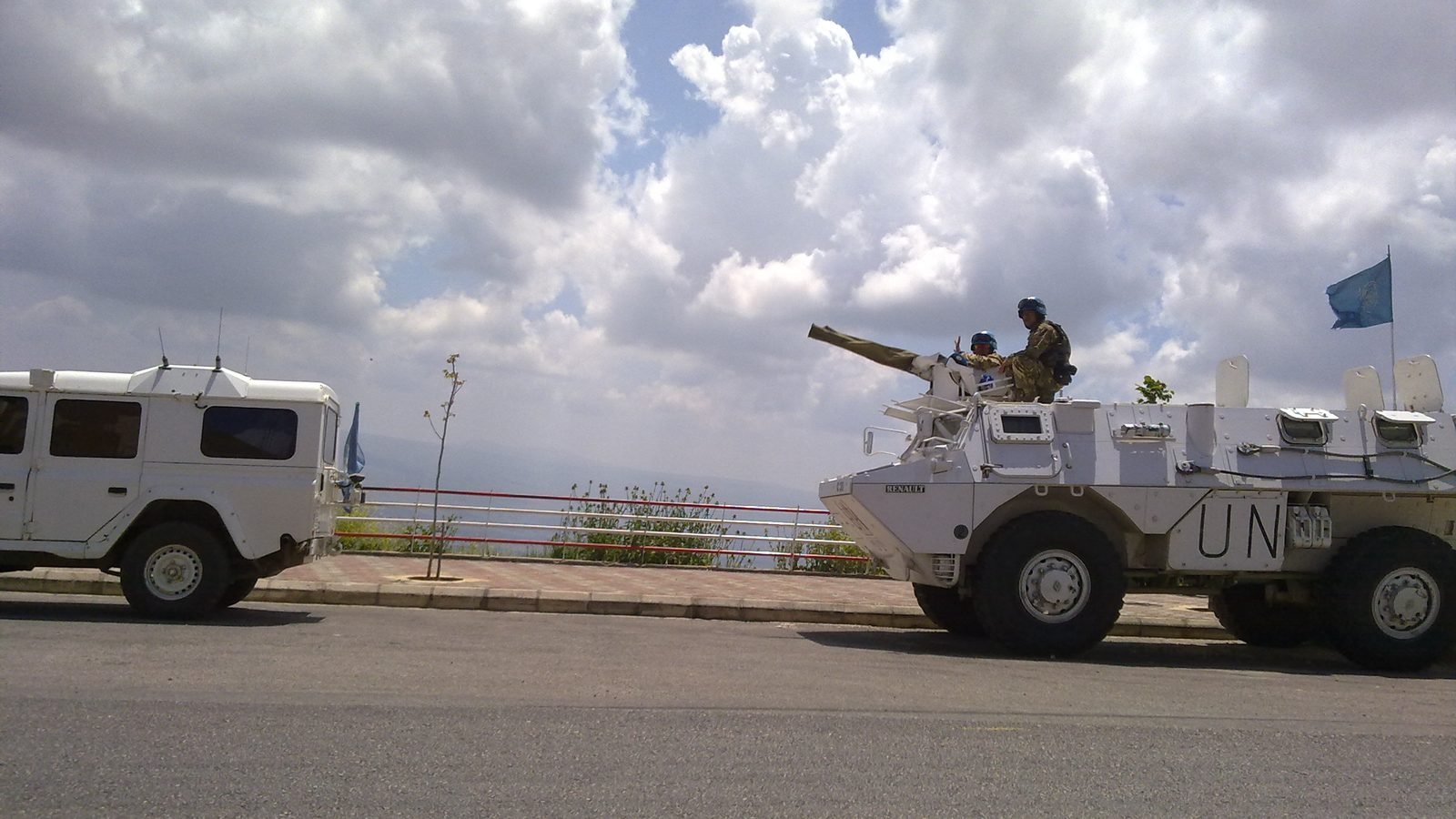
Iran retains the ability to provoke border clashes in southern Lebanon and destabilize Lebanon-Israel talks whenever diplomatic progress threatens its influence. The August 5 outbreak of violence in southern Lebanon cut short Lebanon-Israel negotiations in Rome that day, illustrating how Iran's network of influence can destabilize the diplomatic track. Katulis said Iran can use Hezbollah to threaten the process "by provoking tensions through attacks and inviting Israeli responses that increase pressure on the Lebanese government."
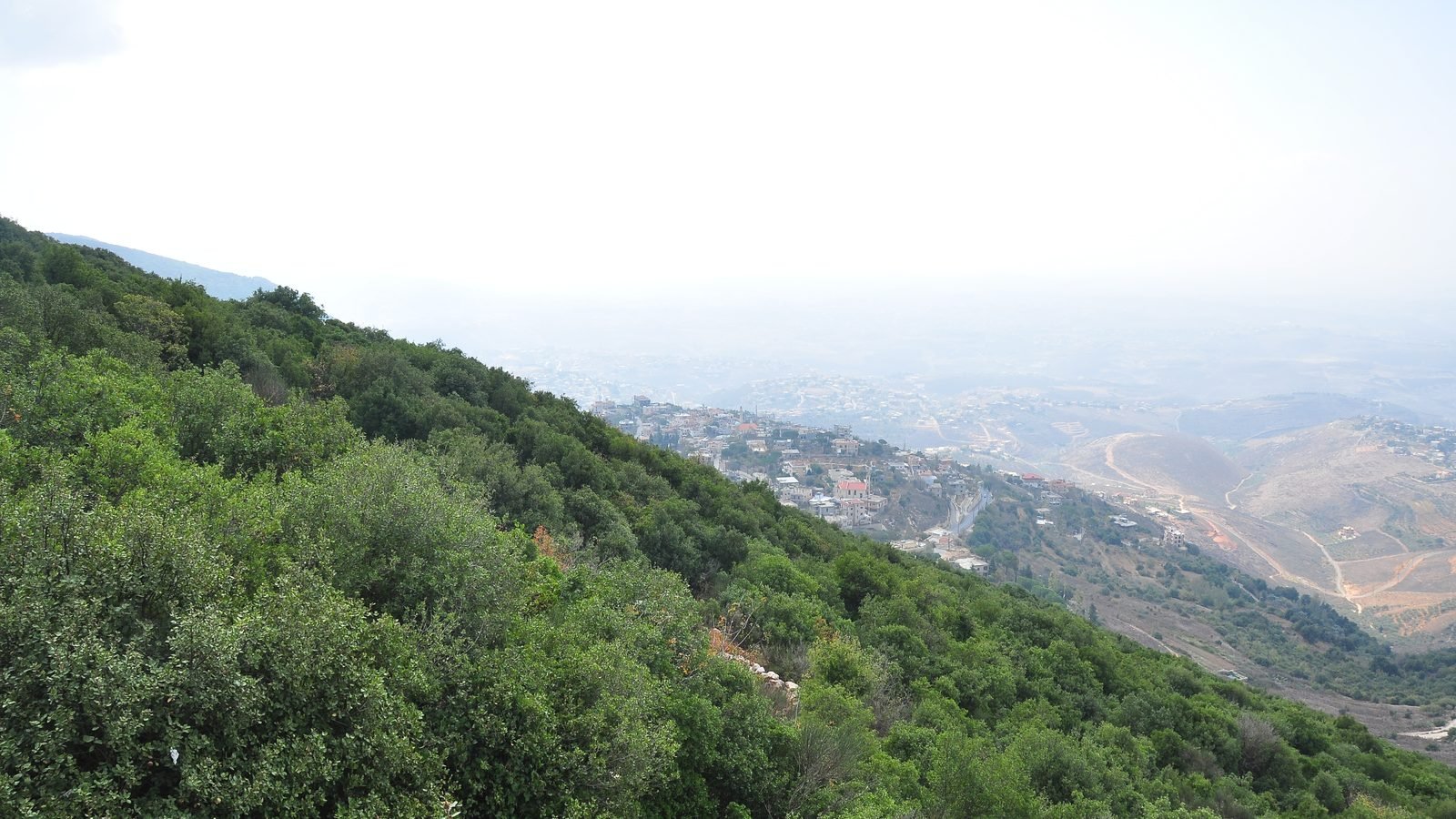
Harb said Iran's influence in Lebanon through Hezbollah is "the only success story the Iranian regime can claim in exporting its revolution." According to a European diplomatic source cited by Beirut Time, Tehran views control of the Ali al-Tahir tunnel complex in southern Lebanon as a red line that transcends local military dimensions. The source warned that Iran may view Israeli capture of this position as justifying large-scale escalation across multiple fronts.
According to the European diplomatic source, President Trump does not want a major military confrontation with Iran in the current phase and prefers continued economic pressure. However, if Iran executes a broad attack, Trump would be compelled to respond, particularly if it targets American interests or expands war across the region. The source added that such an Iranian attack could trigger wider conflict if it follows Israel's seizure of strategic positions in southern Lebanon deemed critical to Tehran's regional standing.