
More than ten countries have signalled readiness to contribute personnel and resources to a new European training mission for the Lebanese military, with a decision targeted for October.
Lebanese military sources said discussions with European counterparts focus on building the capacity of the army and internal security forces across several domains. The planned assistance covers border monitoring, maritime security and management of positions that will come under Lebanese responsibility as the UN Interim Force in Lebanon concludes its operational mandate. The proposed European force deployment will remain separate from the current UN structure.
EU foreign policy chief Kaia Kallas announced on Tuesday that more than ten countries have expressed readiness to contribute personnel and resources. The EU targets a decision to launch the mission during October, with an official from the bloc saying the mission is to be established in mid-month, with deployment of personnel beginning in late 2026 or early 2027.
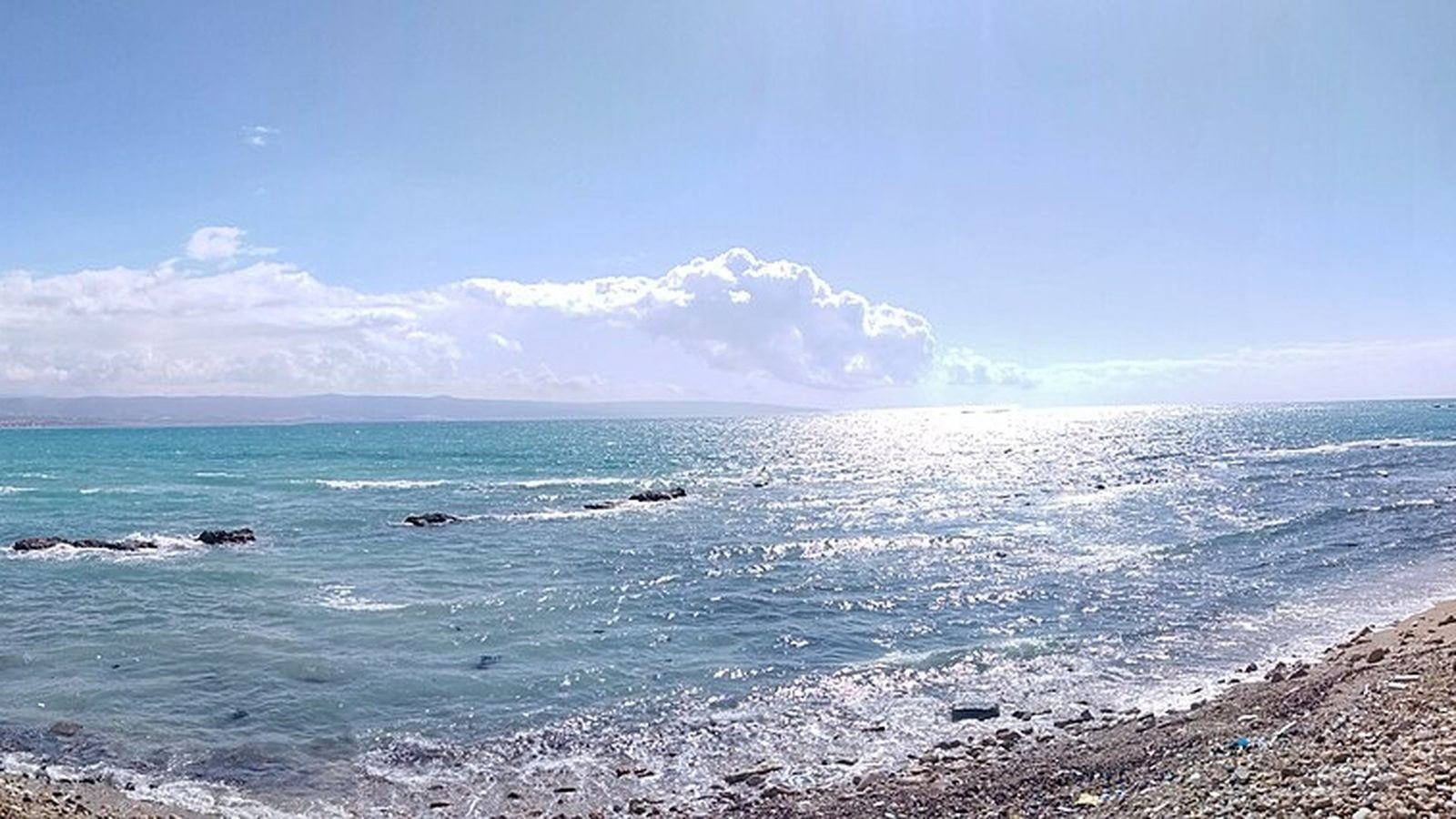
The Lebanese military has requested that European assistance centre on specialised training, command and control systems, coastal monitoring and detection of cross-border movement. The military also seeks support to enhance engineering units' capacity to handle positions, tunnels and weapons caches discovered as the army expands southward.
Lebanese officials envision no deployment of European combat units to conduct village inspections or disarm Hezbollah directly. The Lebanese army will carry out these tasks, though Beirut needs surveillance devices, communications equipment, vehicles and reconnaissance tools to expand deployments without depleting existing units south of the Litani River.
Discussions also cover strengthening internal security forces in areas that do not require permanent military presence, allowing some security burdens to shift to them and enabling the army to focus on weapons control, military positions and borders.
Ireland, Austria, Spain, France and Italy are among the most advanced in examining participation, according to an EU security official familiar with the matter. Other countries stand ready to provide experts or resources without deploying large units.
Ireland, Austria and Spain proposed in late 2025 a non-operational European mission to train the military and support sustainable deployment south of the Litani, with an initial two-year timeframe and a budget of 100 to 150 million euros, plus vehicle, equipment and fuel support through the European Peace Facility.
Current planning moves toward a combined mission with a military track for army training and a civilian track supporting security forces, with smaller specialised teams for maritime and border security. France and Italy are simultaneously examining broader arrangements for the post-UNIFIL period, which explains why the final shape of the European presence remains unsettled.
The European force will not be positioned along the Blue Line in the same manner as UNIFIL. Significant training will take place at Lebanese military facilities outside the south, with liaison teams and advisers stationed at command centres linked to the southern sector, borders and maritime monitoring.
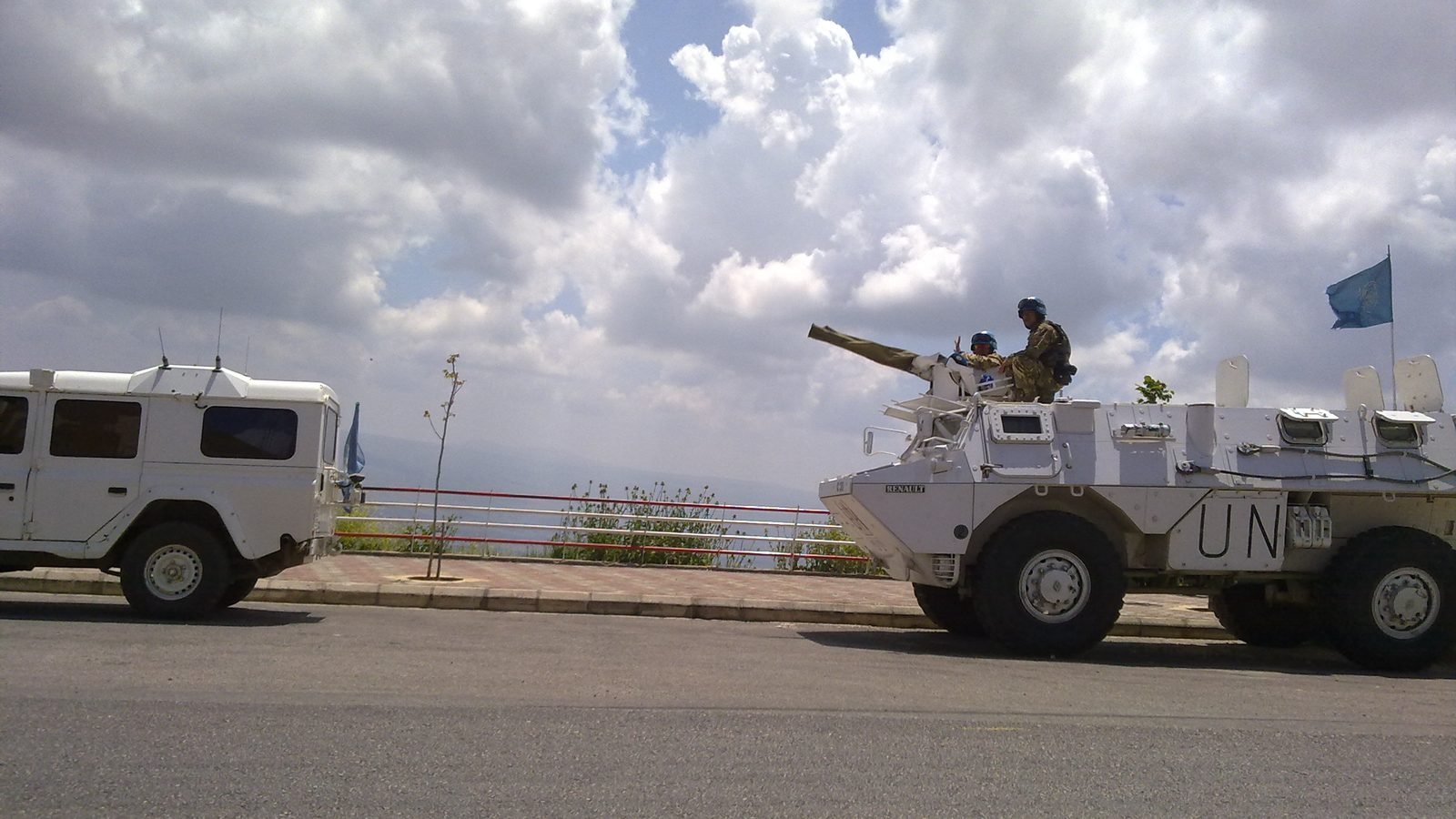
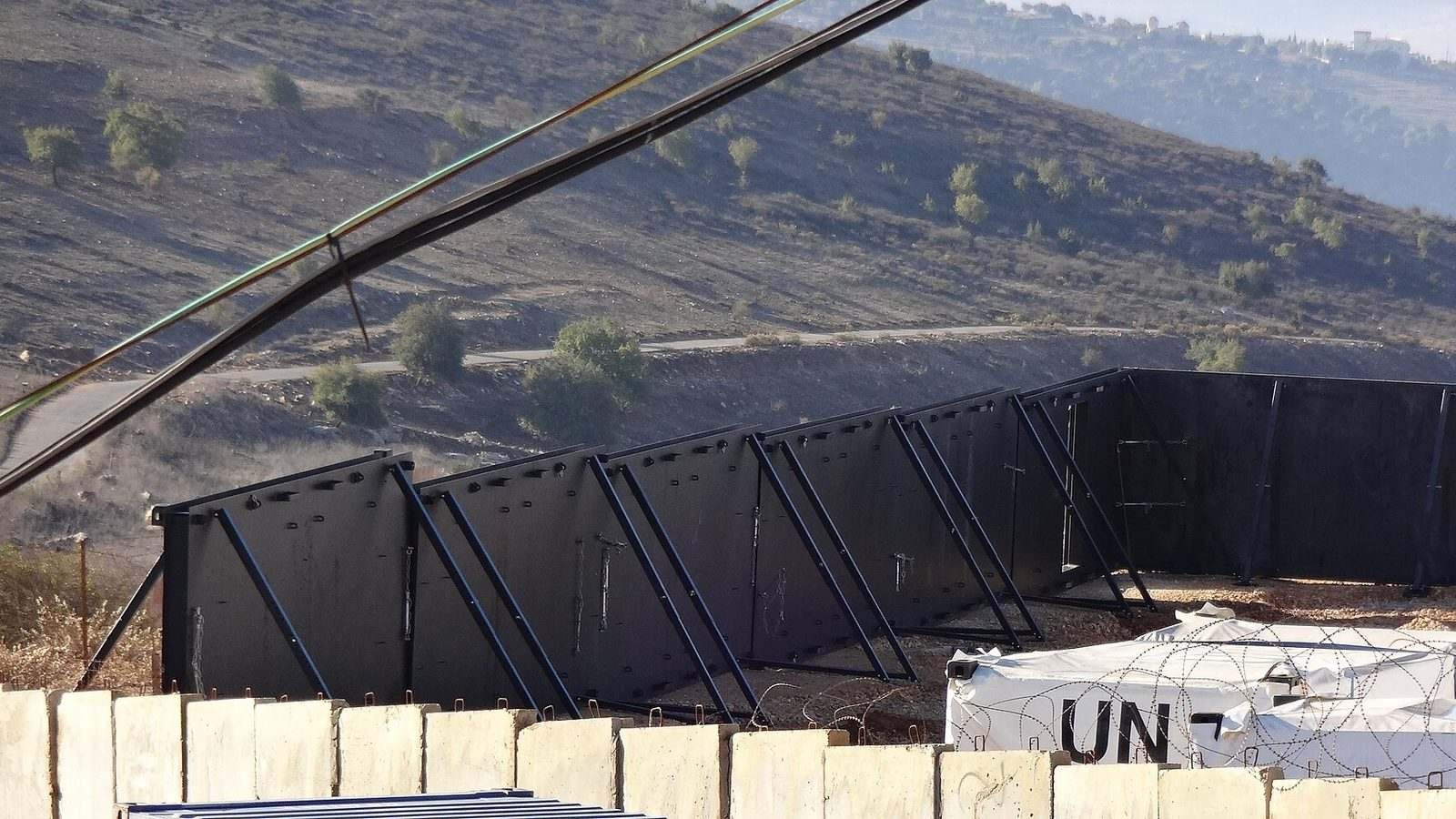
The current UNIFIL deployment numbers approximately 7,460 personnel, including 738 Italians, 677 Spanish, 609 French and 274 Irish troops. UNIFIL's operational mandate ends on 31 December this year, followed by an organised withdrawal lasting a year, during which the force remains responsible for the security of its personnel and facilities and the oversight of the drawdown.