
Lebanon's agriculture sector has seen 22.5 per cent of its farmland affected by recent conflict, with the ministry working on a two-phase recovery plan involving direct support and infrastructure rehabilitation.
The Lebanese agricultural sector remains among the hardest hit by the recent war, with damage extending across 56,000 hectares, or roughly 22.5 per cent of the country's farmland. Around 52,000 hectares of that affected land lies in the South and Nabatieh governorates. The destruction extends beyond damaged agricultural installations, irrigation networks and soil erosion to encompass the loss of three consecutive growing seasons, directly reducing farmer incomes and their capacity to resume production.
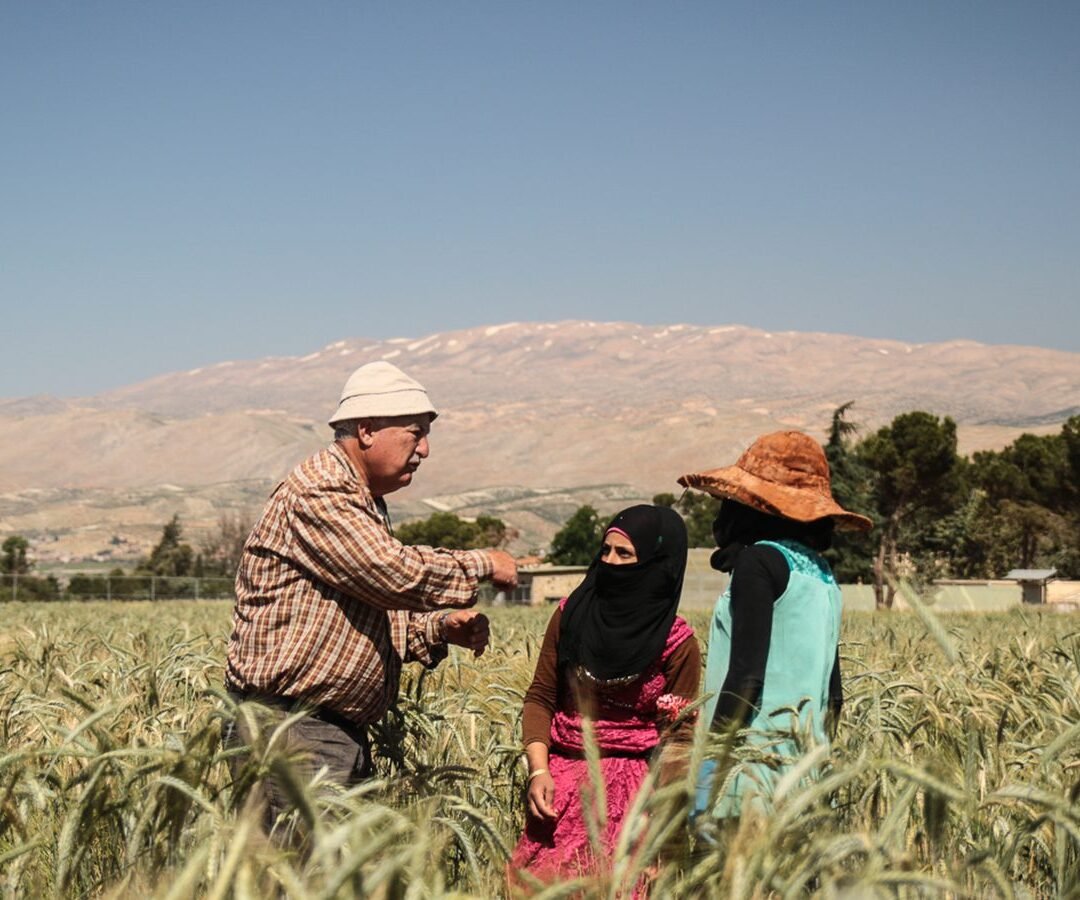
Agriculture Minister Nizar Hani said many farmers remain unable to access their land. The ministry is coordinating with the Lebanese army and UNIFIL to secure access to reachable areas and salvage remaining crops. The response plan operates in two phases: the first provides direct support in cash and kind, while the second focuses on rehabilitating agricultural infrastructure including plastic greenhouses, wells and irrigation networks.
Farmers across the country have shown solidarity, with many in unaffected areas hosting livestock and beehives belonging to southern farmers displaced by the conflict. The ministry's immediate goal extends beyond compensation to returning farmers to their land and restoring production cycles. The agriculture ministry has provided all relevant data to the foreign ministry concerning damage to the sector, including felled and eroded trees, and submitted reports to the United Nations documenting attacks and their impact on agriculture.
A national committee comprising scientific institutions, universities and international partners conducted thousands of soil and crop tests both inside and outside Lebanon. Results to date show no long-term damage preventing the resumption of agricultural activity, although some locations have registered higher-than-normal readings. Tests of olive oil and other crops confirmed the safety of production. Initial samples taken after spraying operations showed elevated glyphosate levels, prompting the ministry to conduct further testing after the war ends, particularly in border areas.
Climate change compounds the conflict's impact, with rainfall in one season dropping to roughly half its normal level before the current season improved and partially offset losses in the South, which accounts for around one quarter of Lebanon's agricultural output. The reopening of the Saudi market and resumption of overland transport to Gulf states have bolstered the sector. Agricultural exports currently reach around one thousand tonnes daily, with forecasts for exports to rise to three thousand tonnes daily during apple, grape and other crop seasons.
Prices show relative stability today despite some regional developments affecting global trade flows. Good production this season and available domestic reserves have helped maintain market balance. Earlier price increases were primarily linked to global inflation waves and rising fuel and production input costs. The fundamental problem now lies not in production shortages but in declining consumer purchasing power. Some agricultural sectors sell products at prices approaching or below production costs due to weak demand.
The poultry sector exemplifies this challenge, though exports to Gulf markets offer an opportunity to improve farmer revenues. Lebanon cannot achieve complete self-sufficiency since agriculture is inherently seasonal, but the country achieves near self-sufficiency in poultry and approaches it in several crops during their seasons. When shortages occur, the country cooperates with neighbouring states to meet needs, while production surpluses in other seasons support exports to Arab markets.
Most obstacles have been removed following the reopening of the Saudi market to Lebanese products, with updated agricultural quarantine protocols and completed technical procedures at border crossings. Overland exports to Gulf states have resumed, currently reaching one thousand tonnes daily with expectations to rise to three thousand tonnes daily as apple, grape and other harvest seasons begin. Lebanon is working to strengthen agricultural cooperation with Iraq, Syria, Jordan and Gulf states, preparing to convene a joint agricultural committee with Iraq in September.
The ministry is renewing agricultural quarantine agreements and activating a four-party accord involving Lebanon, Syria, Jordan and Iraq to enhance agricultural integration, open new markets for Lebanese producers and provide meaningful relief for farmers. Such cooperation is expected to complement direct support and infrastructure rehabilitation efforts as the agricultural sector rebuilds from war damage while confronting persistent challenges from climate change and economic pressures.