
The director-general of UNESCO is visiting Lebanon on Monday for official meetings with the president, prime minister and speaker of parliament.
Khaled El-Enany, director-general of UNESCO, is visiting Lebanon on Monday in an official capacity. During the visit he will meet with Lebanon's three top officials and tour a number of archaeological sites and schools.
The UNESCO chief's itinerary reflects the organization's ongoing engagement with Lebanon on cultural heritage preservation and education. His meetings with the president, prime minister and speaker signal UNESCO's interest in coordinating with Lebanon's highest political leadership on institutional matters.
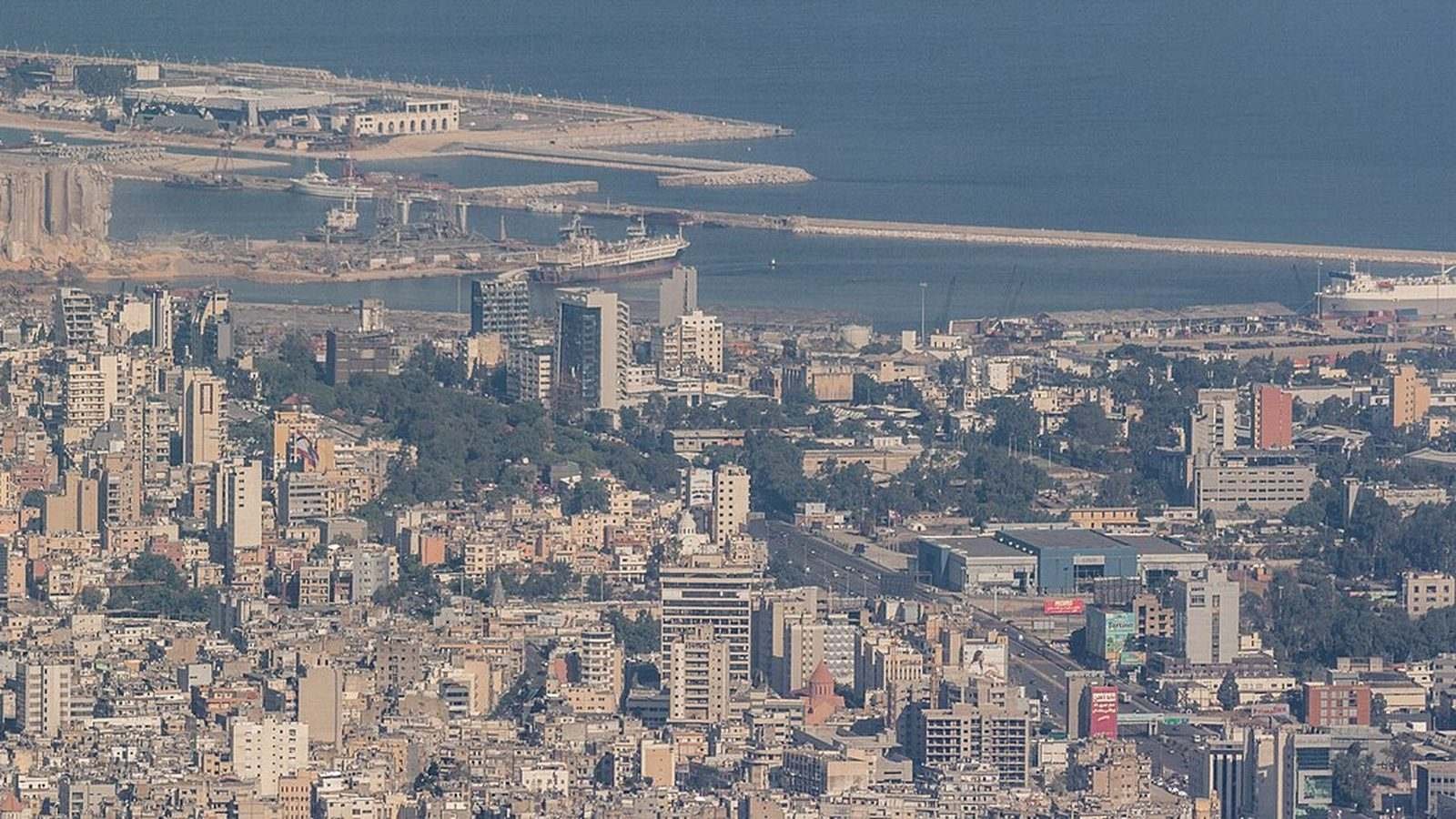
Archaeological preservation has been a priority for UNESCO in Lebanon, particularly following the 2020 Beirut port explosion, which damaged cultural sites and heritage buildings across the capital. The organization has worked with Lebanese authorities on assessment and reconstruction efforts.
Educational institutions are also central to UNESCO's mandate. The organization supports schools and universities across Lebanon through technical assistance, curriculum development and capacity-building programmes.
El-Enany's visit comes at a time when Lebanon faces multiple institutional and economic challenges. The three-day tour allows him to assess conditions on the ground and discuss UNESCO's continued role in supporting Lebanese cultural and educational sectors.
The meetings with President Joseph Aoun, Prime Minister Nawaf Salam and Speaker Nabih Berri will provide an opportunity for high-level dialogue on how UNESCO can assist Lebanon's recovery and institutional strengthening. Each official oversees different aspects of state administration and cultural policy.
Archaeological sites across Lebanon, from Tyre to the Cedars region, hold significance for UNESCO's world heritage programme. The director-general's visits to these locations will allow assessment of their condition and discussion of preservation priorities.
Schools remain critical to Lebanon's social fabric amid the country's broader crisis. UNESCO's engagement with educational institutions reflects the organization's belief that rebuilding education infrastructure is essential to Lebanon's stability and future.
The visit underscores UNESCO's commitment to Lebanon as a member state and as a country of exceptional cultural importance. El-Enany's direct engagement with the highest levels of government and with heritage sites on the ground signals the organization's intention to maintain active partnership with Lebanese authorities across all sectors of its mandate.
Specifics of any agreements or commitments to be made during the visit have not been disclosed. The meetings will likely address both immediate humanitarian concerns and longer-term strategies for cultural preservation and educational development.