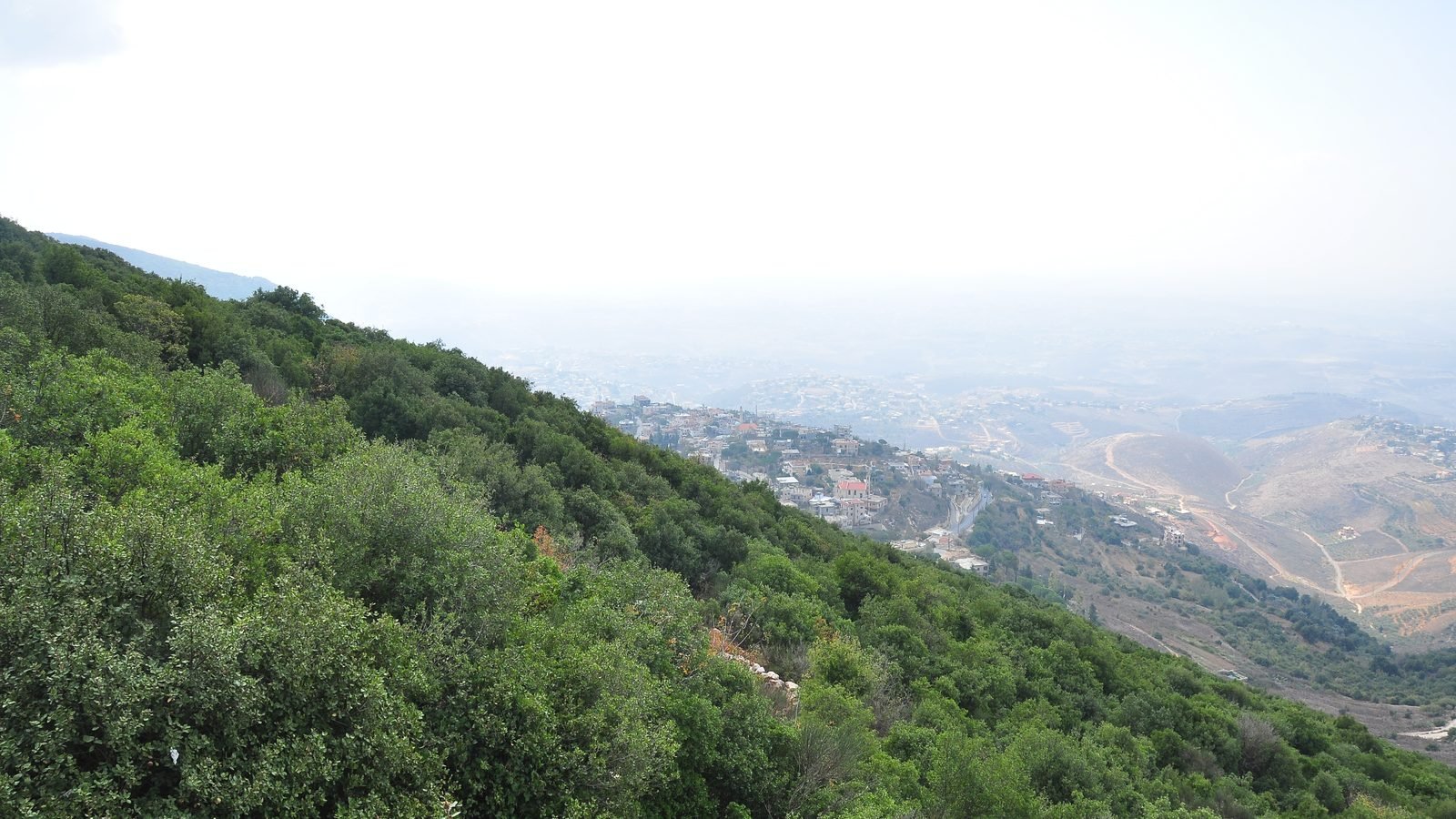


The Israeli military said Sunday it had killed Abu Hassan Alaa, a Hezbollah regional commander, in an airstrike on Deir al-Zahrani on Saturday.
The Israeli Defense Forces announced Sunday that it had killed Abu Hassan Alaa, described as a senior commander in Hezbollah's Badr regional unit, in a strike on the southern Lebanese village of Deir al-Zahrani on Saturday. The IDF characterized the operation as a response to what it described as Hezbollah activity against Israeli forces operating in what Israel terms the security area of southern Lebanon.
The military said Alaa had been involved in numerous attacks against Israeli troops in the border region. The IDF did not provide additional details about the specific operations attributed to him or the methods used in the strike.
The claim of Alaa's death comes as cross-border exchanges between Israel and Hezbollah have intensified across the Lebanon-Israel frontier. The conflict has grown into one of the most serious confrontations between the two sides in years, with regular airstrikes by Israel and rocket fire from Hezbollah-controlled areas.
Hezbollah has not publicly commented on the claim regarding Alaa's death. The organization, which operates as both a political party and an armed group in Lebanon, has in past instances either confirmed or denied Israeli claims about the deaths of its members, sometimes after significant delays.
The strike on Deir al-Zahrani marks one of many Israeli operations in southern Lebanon in recent months. The frequency of such operations has raised concerns about the risk of wider escalation between the two sides and the potential for a major conflict.
Civilian casualties and infrastructure damage have been reported in repeated Israeli strikes across southern Lebanon. Several border villages have been partially or entirely evacuated as residents have fled the fighting, though no specific civilian impact from the Deir al-Zahrani strike was immediately reported.
The Lebanese government has protested Israeli military operations within its territory as violations of sovereignty, though Beirut has limited ability to prevent Israeli operations in areas where Hezbollah maintains presence and control. The conflict has further strained Lebanon's already fragile political situation.
The escalation reflects deepening tensions that predate recent months but have accelerated significantly. Both sides have described their actions as responses to provocation from the other, creating a cycle of attack and counterattack.
The broader question of how far the Israel-Hezbollah conflict will expand remains unresolved. Neither side has indicated willingness to de-escalate, and international diplomatic efforts to contain the fighting have so far produced limited results. The situation along the Lebanon-Israel border shows no clear path toward stabilization in the near term.