
Israeli warplanes and drones have maintained continuous bombardment of southern Lebanon, with Israeli officials signaling preparation for extended military operations and ruling out a ceasefire.
Southern Lebanon faced sustained aerial bombardment on Sunday as Israeli military operations intensified across the region. The escalation, which began after midnight and continued through Sunday morning, included strikes on Kafr Rumman, Deir Suryan, Ansariya, Deir al-Zahra and the Ali al-Tahir heights near Nabatieh. Civilian casualties mounted, prompting displacement from affected areas including Ansariya and Deir al-Zahra. Israeli drones and fighter jets maintained continuous flights over southern Lebanon throughout the day, with operations spanning the western and central sectors and extending to the southern suburbs of Beirut.
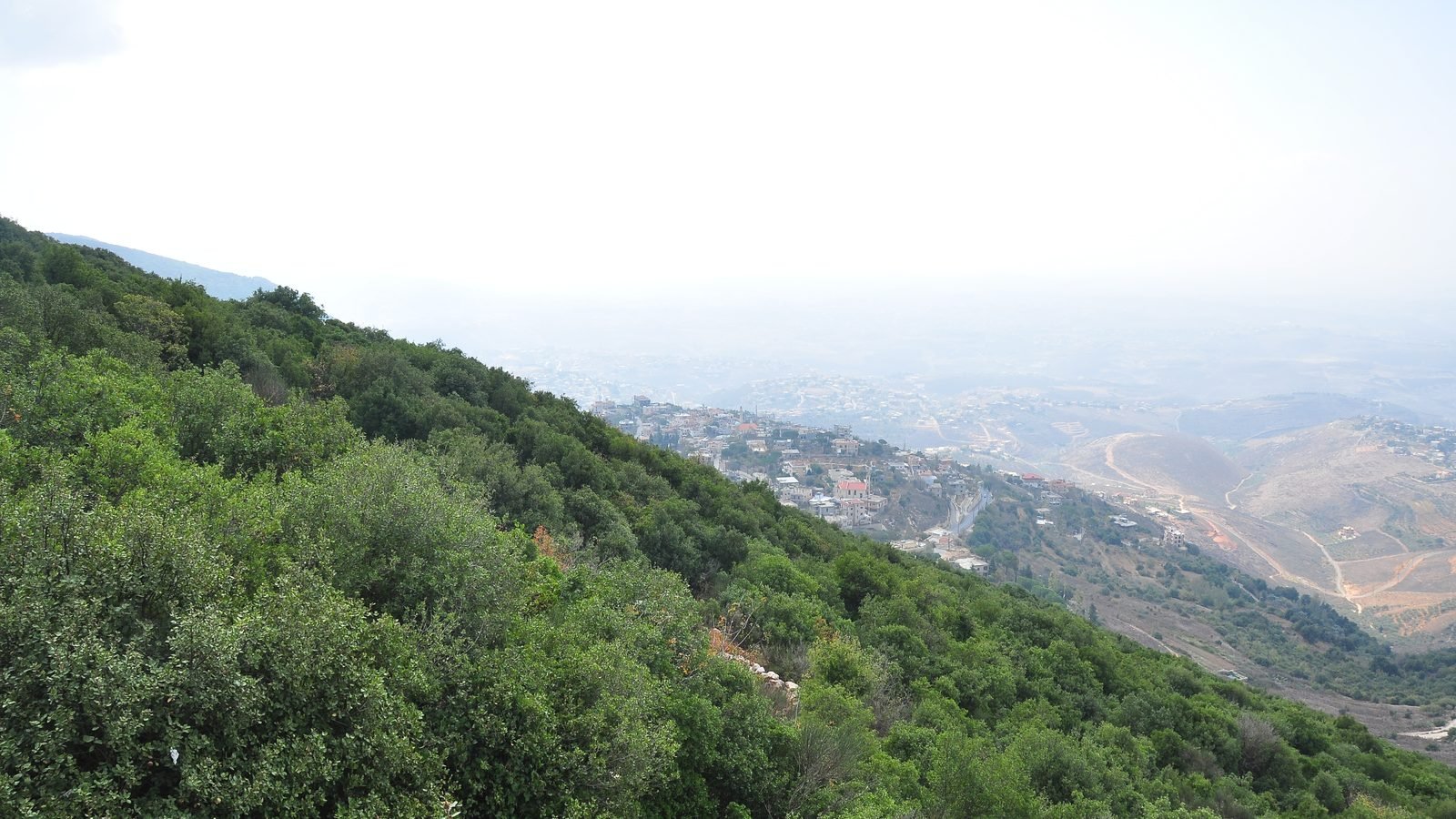
The Ali al-Tahir heights became a focal point of the bombardment, subjected to what residents described as a continuous fiery barrage. Israeli forces dropped illumination flares and phosphorus munitions over the heights and surrounding areas. Artillery from the Israeli army struck the towns of Biit Yahoun, Hadatha in Bint Jbeil district, and the villages of Sajd and Mansouri. Widespread explosions were reported in the Mansouri-Mejdel Zoun area south of Tyre, with ordnance being dropped across a broad territorial span.
A sonic bomb was dropped on Kafr without causing casualties, while two people were injured by unexploded ordnance in the same location. Zahra Faqih, a speech therapist whose clinic was damaged in the strike on Deir al-Zahra, described a subsequent fire that broke out in her family's nearby home after approximately two hours, fueled by a sponge warehouse her father operated on the ground floor. Her colleague and children sustained minor injuries in the incident. The strike also damaged a memorial erected in commemoration of victims of the August 4, 1994 Israeli bombardment of the town.
Israeli Defence Minister Yisrael Katz stated on social media that Israel would continue military operations, declaring "no account will remain open on any front" and pledging that Israel would "defend with all our strength our soldiers and citizens." National Security Minister Itamar Ben Gvir called for escalated operations beyond what he characterized as merely "thwarting threats," demanding broader operational freedom for Israeli forces and asking for operations to target Hezbollah and Beirut. The statements signaled that Israeli political leaders envisioned the campaign as ongoing rather than concluding.
The Hebrew-language Channel 12 reported that the Israeli military was preparing for the possibility of combat operations lasting several days in Lebanon. The Israeli Broadcasting Authority stated that Hezbollah was escalating the situation against Israel with the aim of disrupting negotiations. Israeli security assessments cited by the Walla website suggested that Hezbollah was attempting to resupply elements positioned in underground fortifications in the Ali al-Tahir heights, while Israel sought to identify and destroy infrastructure and personnel in the area.
The intensity of Sunday's operations continued a pattern established the day before, when civilian deaths and displacement prompted residents to flee certain areas. The escalation appeared designed to degrade Hezbollah's position in terrain that both sides have described as strategically significant. Movement in Nabatieh on Sunday remained limited, with residents cautious following the surge in strikes. The threat level remained elevated, with drones and warplanes continuing patrols across multiple sectors of southern Lebanon.
The pattern of operations suggested a systematic effort to maintain pressure on Hezbollah positions rather than a single large-scale operation. Strikes were distributed across towns and strategic heights, with particular focus on the Ali al-Tahir complex. The use of illumination and phosphorus munitions indicated nighttime operations designed to deny cover to target personnel. The extension of drone flights to the southern suburbs of Beirut signaled that Israeli operations were not confined geographically to the immediate border region.
The civilian toll and displacement raised questions about the trajectory of the confrontation, particularly given the sustained nature of the bombardment and the absence of any announced conditions for its cessation. Israeli officials had articulated no clear endpoint or negotiating position that would resolve the escalation. The statements by Katz and Ben Gvir suggested political pressure within Israel for operations to expand rather than contract, presenting a constraint on any de-escalation initiative that might emerge.
The escalation occurred against a backdrop of broader regional tensions, with Israeli security assessments framing Hezbollah's actions as deliberately timed to disrupt what sources described as ongoing negotiations. The specific invocation of negotiations by the Israeli Broadcasting Authority suggested that diplomatic processes remained active, even as military operations intensified. The trajectory of events indicated that military and diplomatic tracks were running in parallel, with no clear indication of which would predominate in determining the confrontation's course.