
Israeli intelligence assesses that Hezbollah is attempting to resupply forces positioned underground while Israel seeks to locate and strike infrastructure in the Ali al-Tahir area, though U.S. pressure constrains Israeli response options.
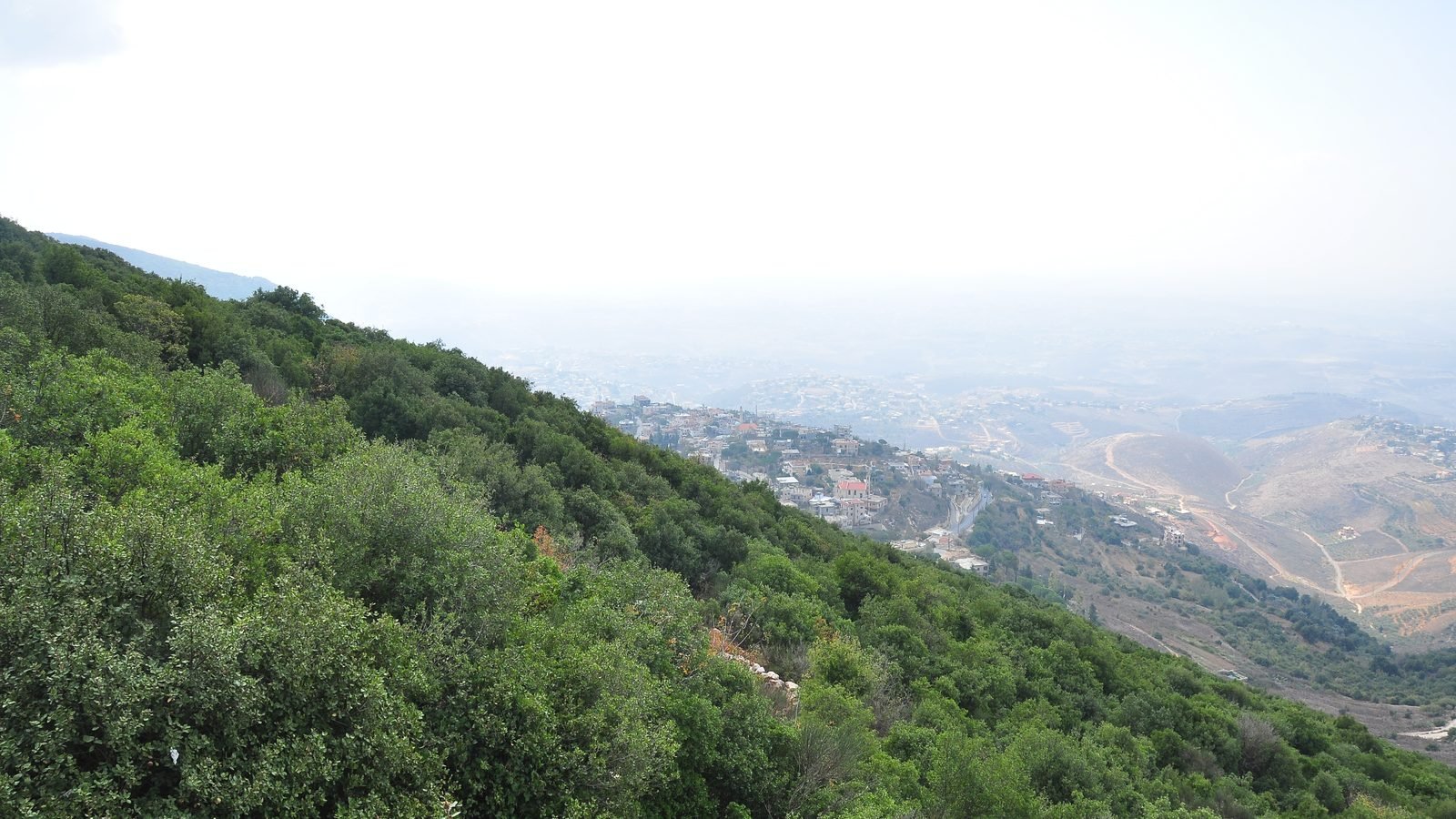
Israeli intelligence is monitoring Hezbollah activity in Lebanon, particularly in the Ali al-Tahir heights, where Israeli assessments suggest the group is attempting to resupply forces positioned in underground installations. Israel is focused on identifying and striking infrastructure and personnel in the elevated terrain of Ali al-Tahir as part of ongoing ground operations aimed at locating and targeting these positions.
According to Israeli security sources, Israel's freedom to respond to any moves by Hezbollah or Hamas remains constrained by American pressure linked to the continuing conflict between Israel and Lebanon. These constraints are said to limit the scope of Israeli operational latitude in responding to any activities carried out by either group.
Israeli assessments indicate that Hezbollah and Hamas are attempting to increase tension through coordination with Iran, linking underground Hezbollah operations in Lebanon, particularly in the Ali al-Tahir heights, to a broader effort to escalate the situation with Tehran's involvement. The assessments suggest this coordination is occurring at a time when American pressure is restricting Israel's response capabilities.
The monitoring of Hezbollah's supply efforts reflects Israel's broader strategy of seeking to disrupt the group's logistical networks while simultaneously identifying key positions in the Ali al-Tahir area. Israeli forces are focusing resources on locating both the physical infrastructure and personnel deployed in these locations.
Security sources indicated that the pressure from Washington creates operational constraints for Israel at a time of heightened tensions along multiple fronts. The limitations on Israeli response options are framed by these sources as a factor in the current security calculations affecting the region.
The assessment that Hezbollah is receiving orders to increase coordination with Hamas and Iran suggests Israeli intelligence views the underground activity in Ali al-Tahir as part of a synchronised regional effort. This interpretation connects local tactical movements to what Israeli assessments frame as a broader strategic push to destabilise the area.
The focus on Ali al-Tahir specifically indicates that Israeli operations are concentrating on terrain that offers defensive advantages to Hezbollah, with underground positions presenting particular targeting challenges. The heights above the area represent a strategically significant location in the broader security picture between Israel and Lebanon.
Israeli assessments of resupply attempts suggest that Hezbollah faces logistical pressures in maintaining its forces in current positions. The group's need to move supplies suggests that Israeli operations have had some effect on the group's capacity to sustain its deployment, though Israeli sources frame the constraint on their own response options as the more pressing operational problem.
What Israeli operations will target next and how American pressure may shift remains unclear from the assessments reported. The coordination Israel attributes to Hezbollah, Hamas and Iran suggests Israeli intelligence expects further escalation, though the same constraints that limit Israel's current response options may shape how such developments unfold along the Lebanese border.