

The party has instructed members of its base in the Shia-dominated area to ready themselves for a possible security escalation and be prepared to leave their homes.
Hezbollah has asked members of its constituency in the southern suburbs to prepare for a potential escalation in the area over coming days and to be ready to evacuate their homes on short notice, according to sources familiar with the matter. The instruction, conveyed on Saturday night, underscores the party's assessment of a heightened risk of military action or other developments that could force displacement.
The nature and scale of the anticipated escalation remain unclear. No details have been released about the timeframe in which residents should ready themselves, what specific threat the party believes it faces, or what trigger might set such a confrontation in motion.
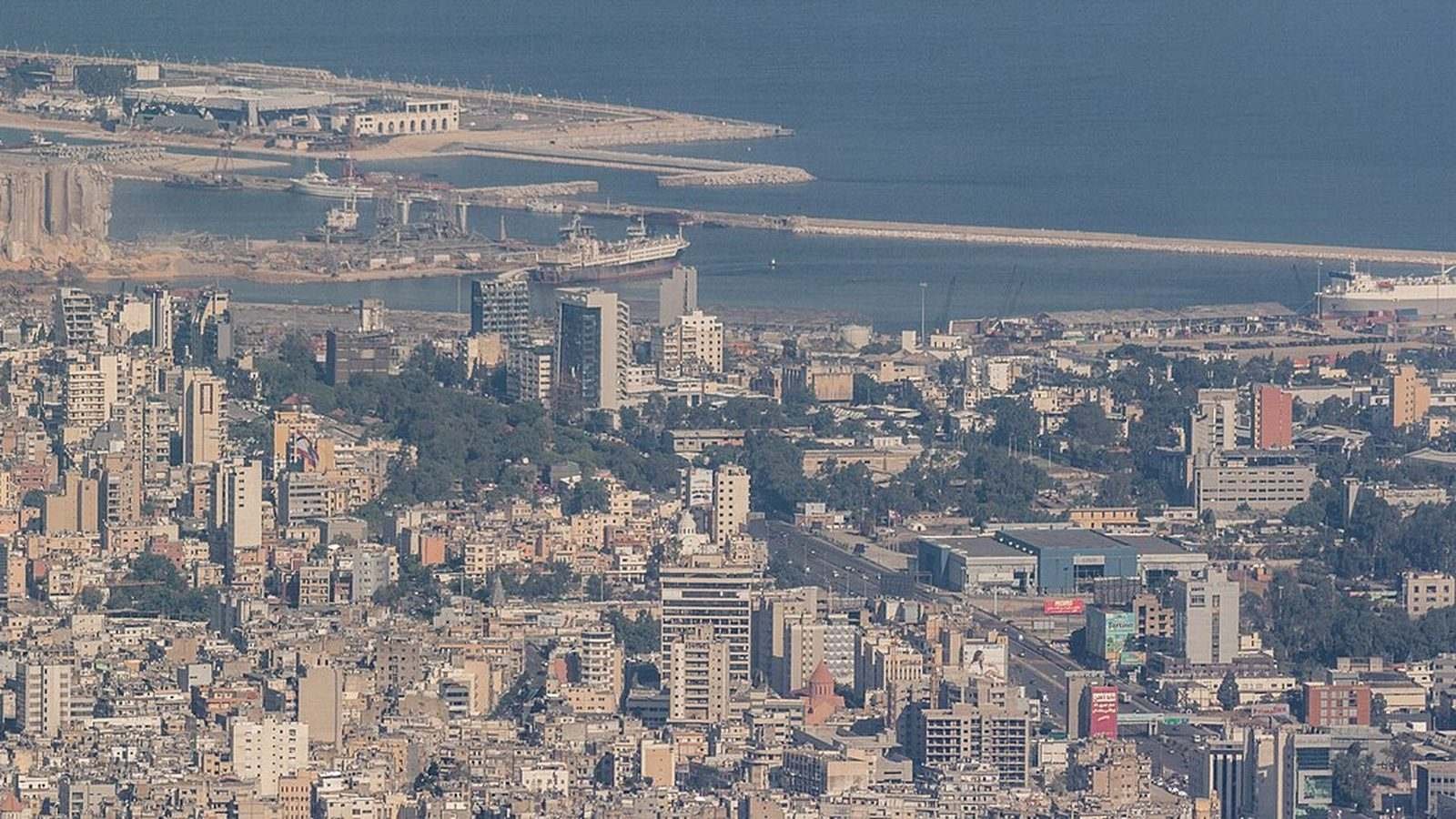
The southern suburbs, a predominantly Shia area south of Beirut, serve as a major stronghold for Hezbollah and have long been a flashpoint in Lebanon's security landscape. The area has been the target of Israeli airstrikes on previous occasions, particularly during periods of heightened cross-border tension.
Sources have not specified whether the instruction reflects concern about Israeli military operations, escalation between Hezbollah and another armed actor, or some other form of armed conflict. The lack of clarity on the source and nature of the anticipated threat complicates assessment of how imminent or serious the warning may be.
Residents in the southern suburbs have experienced multiple episodes of forced evacuation in recent years, including periodic warnings connected to wider regional tensions. Hezbollah's communication infrastructure allows it to reach its base quickly, and such alerts are typically acted upon swiftly by those to whom they are directed.
The instruction to prepare for evacuation potentially signals that Hezbollah leadership believes a significant escalation in the area is possible within a compressed timeframe. Whether the party is responding to specific intelligence, making a precautionary move, or preparing for an operation of its own remains uncertain from available information.
Lebanon's security environment has grown increasingly fragile in recent months, with cross-border incidents involving Israel and armed groups increasing in frequency and intensity. The southern suburbs have borne much of the impact of this deterioration, with civilian residents caught between military actors.
What remains unclear is whether this instruction represents a temporary precaution or signals a shift in Hezbollah's assessment of the immediate security picture. The party's previous evacuation warnings have been followed by varying levels of actual conflict, from brief flares to prolonged exchanges.
The coming days will show whether the escalation Hezbollah anticipates materialises and at what scale. The instruction to residents underscores the real possibility of military action affecting civilian areas, though the precise nature and timing of any such action remain unknown.