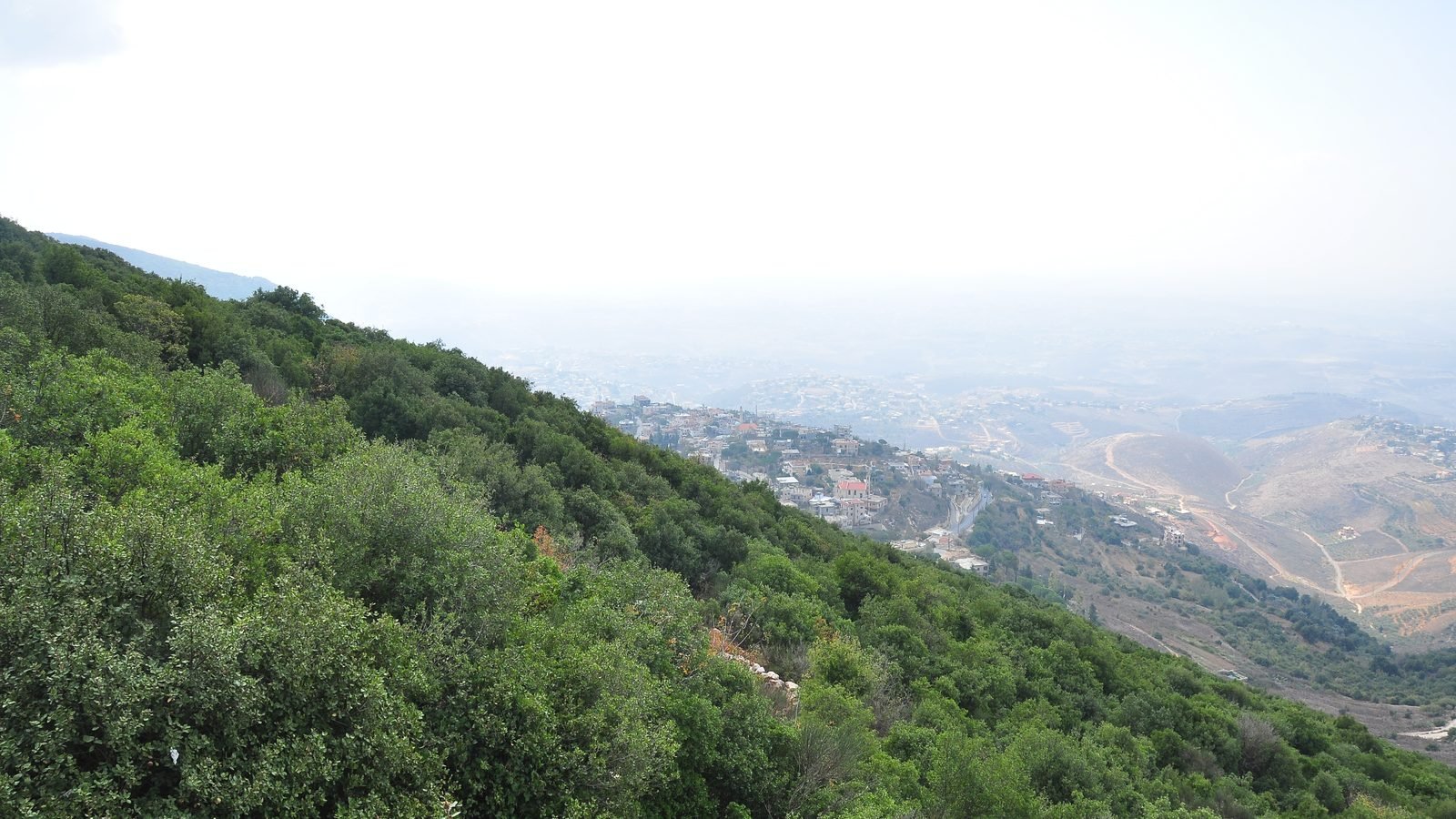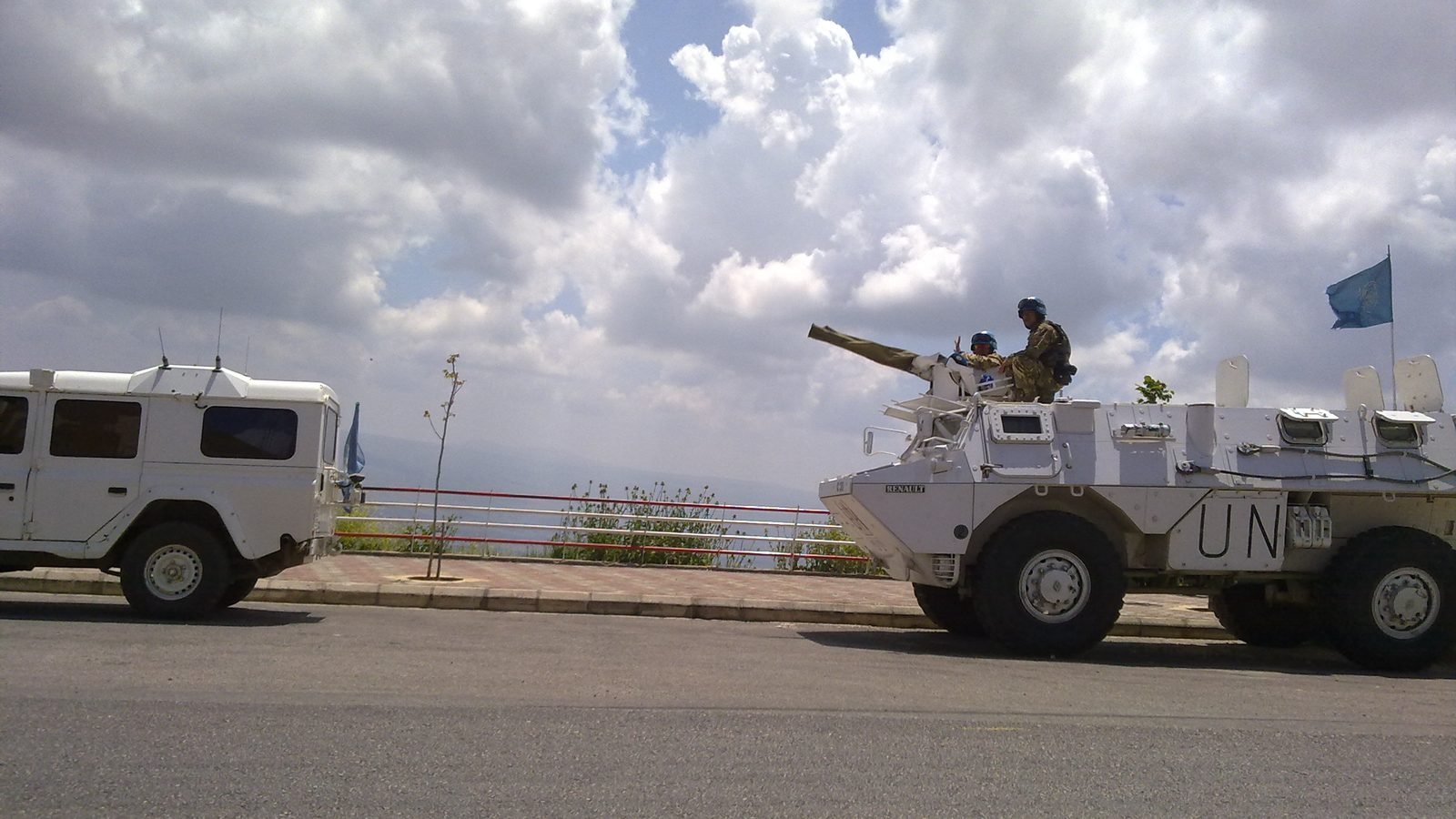


The Israeli military said it struck a Hezbollah command centre in southern Lebanon early Saturday in response to an attack on its forces, killing a senior commander.
The Israeli military said it carried out a strike on a Hezbollah command post in Ansariyeh, south Lebanon, in the early hours of Saturday. The military's spokesperson Ella Wawie said the operation was a response to an attack by Hezbollah against Israeli forces operating in the security zone, referring to the terms of the ceasefire agreement between Israel and Lebanon.
The targeted facility was used by Hezbollah to oversee its operations in the area, according to Wawie. The strike killed Ali Samir al-Hajj Hassan, whom the Israeli military described as a sector commander in Hezbollah's Radwan Force. Several other Hezbollah members were also killed, the military said, adding that they had been involved in planning operations against Israeli forces in the security zone.
The Israeli military acknowledged that family members of al-Hajj Hassan were present at the site during the strike and said they had been wounded. Wawie stated that these civilians were not targets of the operation. The military also accused al-Hajj Hassan of using his family members as human shields by keeping them in the military command post.
Wawie stressed that the strike was focused specifically on al-Hajj Hassan and characterised him as a legitimate military target under international law. The Israeli military said it would not tolerate Hezbollah attacks on Israeli civilians and soldiers, and vowed to continue operations against what it described as threats to Israeli security.
The strike came amid ongoing tensions along the Lebanese-Israeli border, where a ceasefire agreement has been in place but has been repeatedly tested by violations from both sides. The military's statement underscores the fragile nature of the current arrangement and the risk of further escalation.
The ceasefire agreement that governs conduct in the security zone sets out the conditions under which each side is permitted to operate. According to the Israeli military's account, Hezbollah violated these terms by attacking Israeli forces, prompting the retaliatory strike. The terms of engagement specify that Israeli forces are entitled to respond to such attacks.
Hezbollah has not yet issued a formal statement responding to the Israeli military's account of the strike or the circumstances surrounding al-Hajj Hassan's death. The group's response to the operation could determine whether the incident remains an isolated exchange or triggers a broader escalation in violence along the border.
The death of al-Hajj Hassan, if confirmed, would represent a significant loss to Hezbollah's operational capacity in the south. His role as a sector commander in the Radwan Force, the military wing's elite unit, suggests he held considerable responsibility for the group's activities in the region. Such targeted killings have been a consistent feature of Israeli operations against Hezbollah leadership.
The incident demonstrates the precarious balance maintained under the ceasefire agreement. While the agreement has reduced the scale of fighting compared to earlier phases of the conflict, it has not eliminated the underlying tensions or the capacity of either side to carry out strikes. The coming days will show whether this exchange settles into the pattern of limited strikes that has characterised recent weeks or signals a shift toward renewed escalation. Both Israel and Hezbollah have significant military capacity in the region and the political incentives to avoid major escalation, but any side's assessment that the other has breached the agreement's terms can quickly destabilise the arrangement.