
The Free Patriotic Movement and Hezbollah coordinated in parliament to block a quorum and challenge Prime Minister Nawaf Salam, signalling a consolidation of the March 8 bloc.
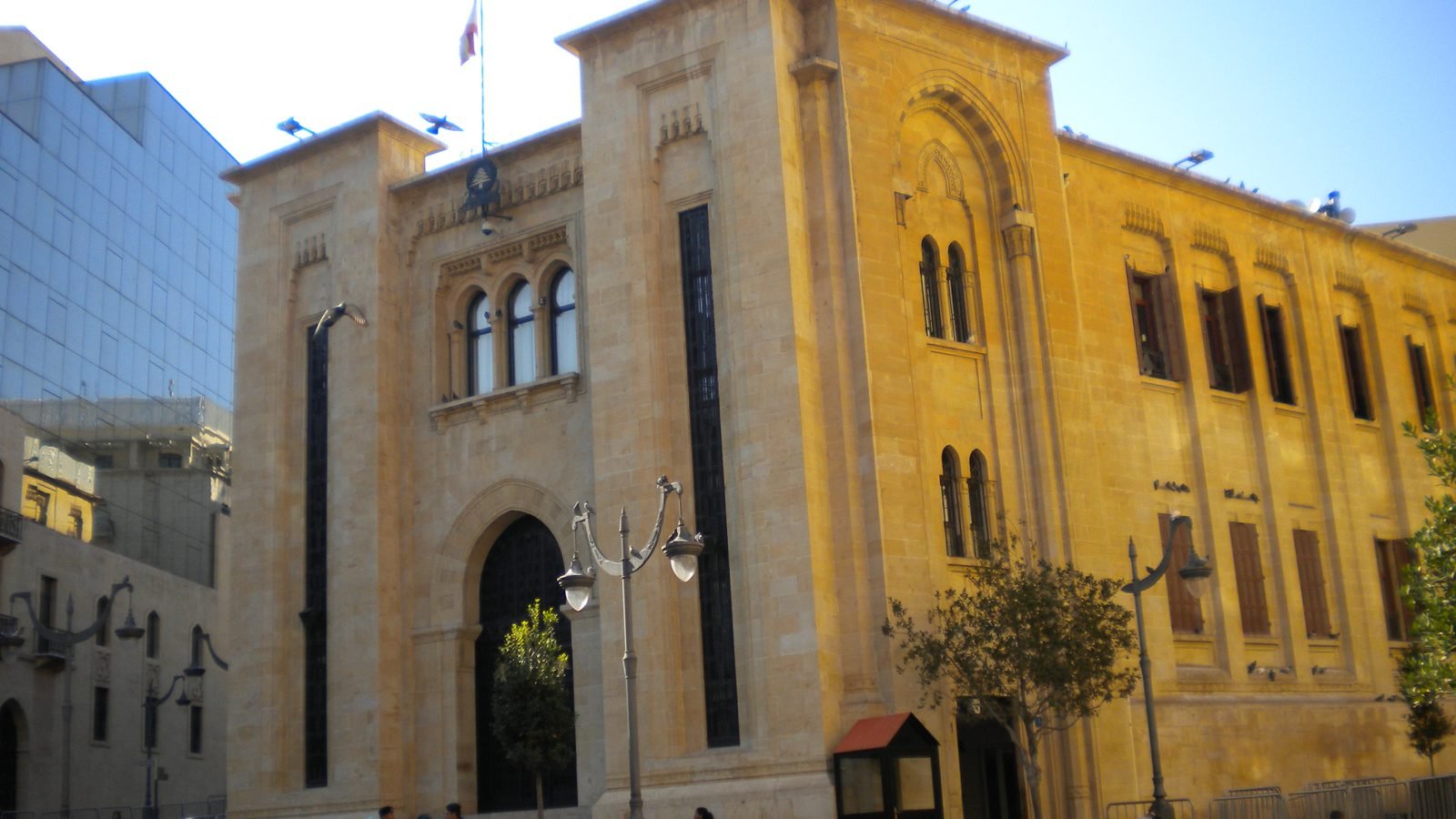
The March 8 alliance orchestrated a parliamentary maneuver on Monday in its first serious political test since Prime Minister Nawaf Salam took office. The Free Patriotic Movement and Hezbollah entered parliament with aligned positions, coordinated their criticism of the Prime Minister, and attempted to destabilize the cabinet by creating a dispute over Defence Minister Michel Issa. Both blocs announced they would not obstruct a general amnesty law, then exited parliament together claiming Issa had not delivered his speech. Their coordinated withdrawal was joined by some deputies from Amal, causing parliament to lose quorum.
The Free Patriotic Movement, led by Gibran Bassil, has sought to distance itself from Hezbollah over the past two years, but Monday's performance demonstrated the continued depth of coordination between the two parties. The two blocs entered the chamber with strikingly similar rhetoric and took turns attacking the Prime Minister while attempting to destabilize the government, a division of labour they executed with precision. They synchronized their objections on procedural grounds to provide cover for the same underlying political goal: to demonstrate their power to obstruct and their continued alliance.
Speaker of Parliament Nabih Berri met them partway. Some Amal deputies walked out alongside the Free Patriotic Movement and Hezbollah, allowing parliament to lose the quorum needed to conduct business. The loss of quorum prevented votes and highlighted the capacity of the March 8 blocs to exercise control over parliamentary proceedings even without a majority.
The coordinated action marks a reassertion of the March 8 alliance after months in which its cohesion had appeared uncertain. The Free Patriotic Movement's recent criticism of Hezbollah had suggested a possible fracturing of the bloc, but Monday's parliamentary choreography proved that whatever public distance Bassil's movement has sought to create, the underlying understanding between the two parties remains intact. The bloc demonstrated it can still mobilize parliament to its purposes when it chooses to do so.
The choice of target is significant. Prime Minister Salam, who took office with broad backing from President Joseph Aoun and international support, faces his first serious parliamentary challenge. The March 8 bloc's attempt to embarrass the government over the absence of Defence Minister Issa from parliament showed it is willing to manufacture controversies to test the cabinet's resilience. The amnesty law, which both Hezbollah and the Free Patriotic Movement said they would not oppose, became a vehicle for demonstrating parliamentary muscle rather than a genuine policy dispute.
Speaker Berri's role proved delicate. His own movement's partial walkout allowed the quorum to collapse, yet Berri has worked to maintain what he describes as a policy of playing both sides of Lebanese politics, avoiding full alignment with either the March 8 coalition or the opposing camp. His control over his own deputies proved incomplete on Monday, or alternatively, the walkout reflected a decision to give the March 8 blocs what they sought without himself being forced to order a full Amal exodus.
Berri restored the quorum on Tuesday, despite the continued absence of both the Free Patriotic Movement and Hezbollah. This recovery demonstrated that his control over sufficient Amal deputies allowed parliament to function when he chose to ensure it did so. The restoration of quorum, coming so quickly after its loss, underlined that Monday's disruption was tactical rather than a prelude to sustained obstruction. It also showed that no single bloc commands parliament in the current configuration.
The coordination between Hezbollah and the Free Patriotic Movement carries implications for the Prime Minister's room to maneuver. Salam took office with backing from multiple political factions, but Monday showed that the March 8 alliance retains the capacity to make parliament ungovernable if it decides to do so. The choreography of quorum loss and restoration suggests that the blocs are testing the government's stability and his ability to command support from wavering deputies rather than mounting a frontal assault.
The broader question is whether this reactivation of the March 8 alliance signals a sustained shift toward obstruction of the government or reflects a single day of tactical maneuvering. Both Hezbollah and the Free Patriotic Movement have incentives to constrain Salam's freedom of action, yet both also benefit from a government that can function. The next moves on which issues they choose to press and whether they can sustain coordination will clarify whether Monday marked the opening of a new phase of parliamentary conflict or an isolated show of force.