
Lebanon is seeking to replace UNIFIL forces with a European military contingent by year's end, in efforts led by President Joseph Aoun and Prime Minister Nawaf Salam to establish military cooperation with the European Union.
Lebanon is entering an active phase of searching for an international military alternative to UNIFIL forces in the south, led by efforts to establish a cooperation framework with the European Union that could allow deployment of a European force possibly under Italian command.
President Aoun announced during a visit by Italian Defence Minister Guido Crosetto to Beirut that Lebanon welcomes Italy's participation and that of other European countries in any alternative force, while the Italian minister confirmed that Rome wishes to maintain forces south of the Litani River and that other European countries are studying the same option.
The United States approved this move but prefers a limited-composition force rather than a broad European version of UNIFIL, with Germany leading the proposal alongside a key role for Scandinavian countries.
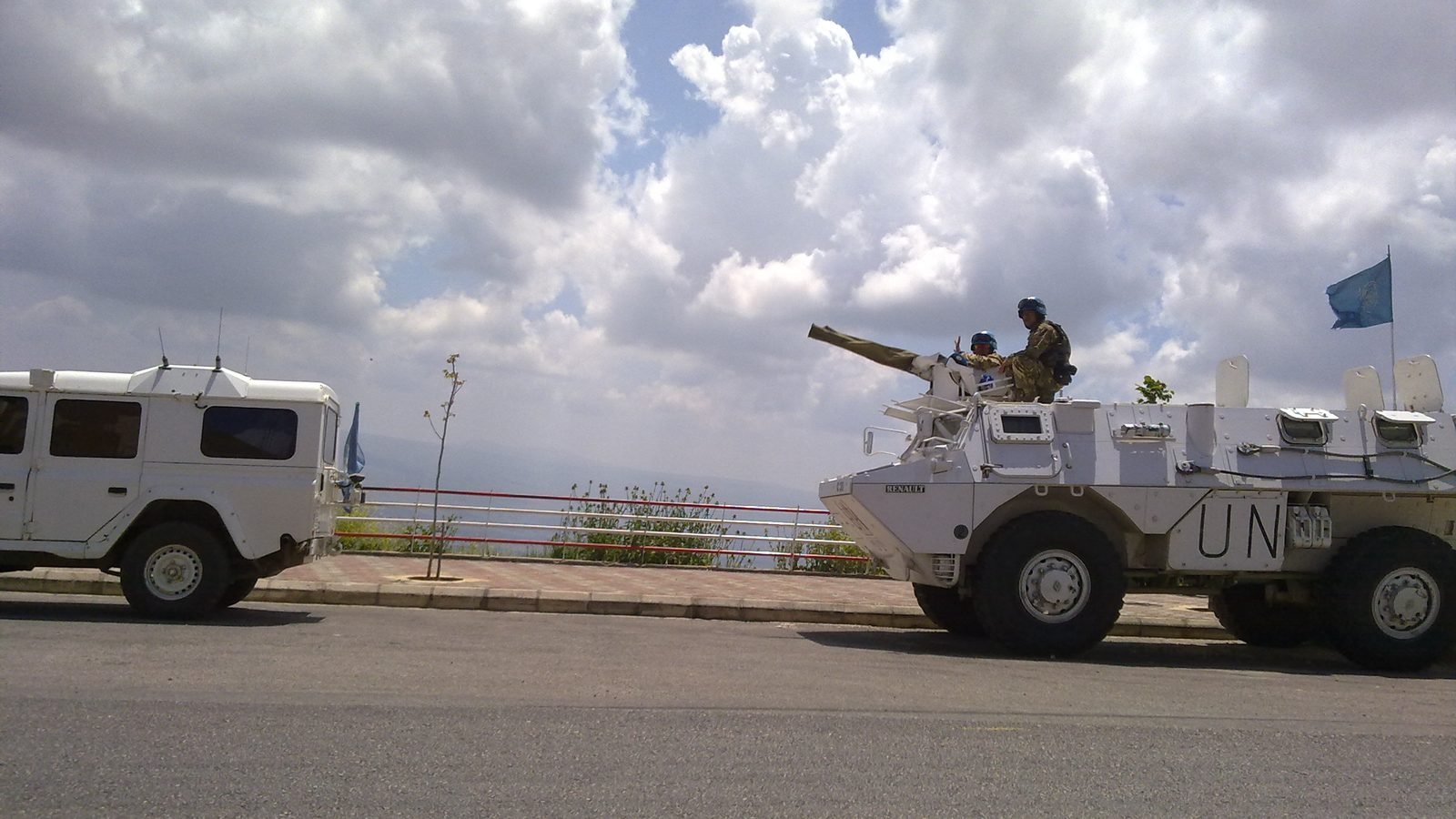
The Security Council issued Resolution 2790, which extended UNIFIL's mandate for the final time until 31 December 2026, with operations to cease thereafter and an organized withdrawal beginning in 2027, and requested the UN Secretary General to study future options for monitoring the Blue Line and supporting deployment of the Lebanese Army south of the Litani River.
Israel is pushing diplomatically and operationally to end UNIFIL's work, arguing it failed to prevent the growth of Hezbollah's capabilities and could not address threats against Israeli settlements and territory.
The US administration supports Israel's position rejecting UNIFIL renewal and is pushing toward adopting new security arrangements based on the framework agreement it sponsored last June, preferring to replace international forces with broad deployment of the Lebanese Army to take full security responsibility.
Disagreements centre on the tasks of these proposed forces, with some requesting authority to verify that southern villages and towns are free of weapons and to destroy Hezbollah's infrastructure, which the Lebanese Army opposes on legal and security grounds because it requires official judicial warrants.
Israel is placing vetoes on countries including Turkey, Spain and France, while Hezbollah is reported to completely reject participation by Britain and Azerbaijan on the grounds of their positions hostile to the resistance and their security relations with Israel.