
Parliament Speaker Nabih Berri stressed that ending the UNIFIL force mission in southern Lebanon constitutes a crime against the region and undermines UN Resolution 1701.
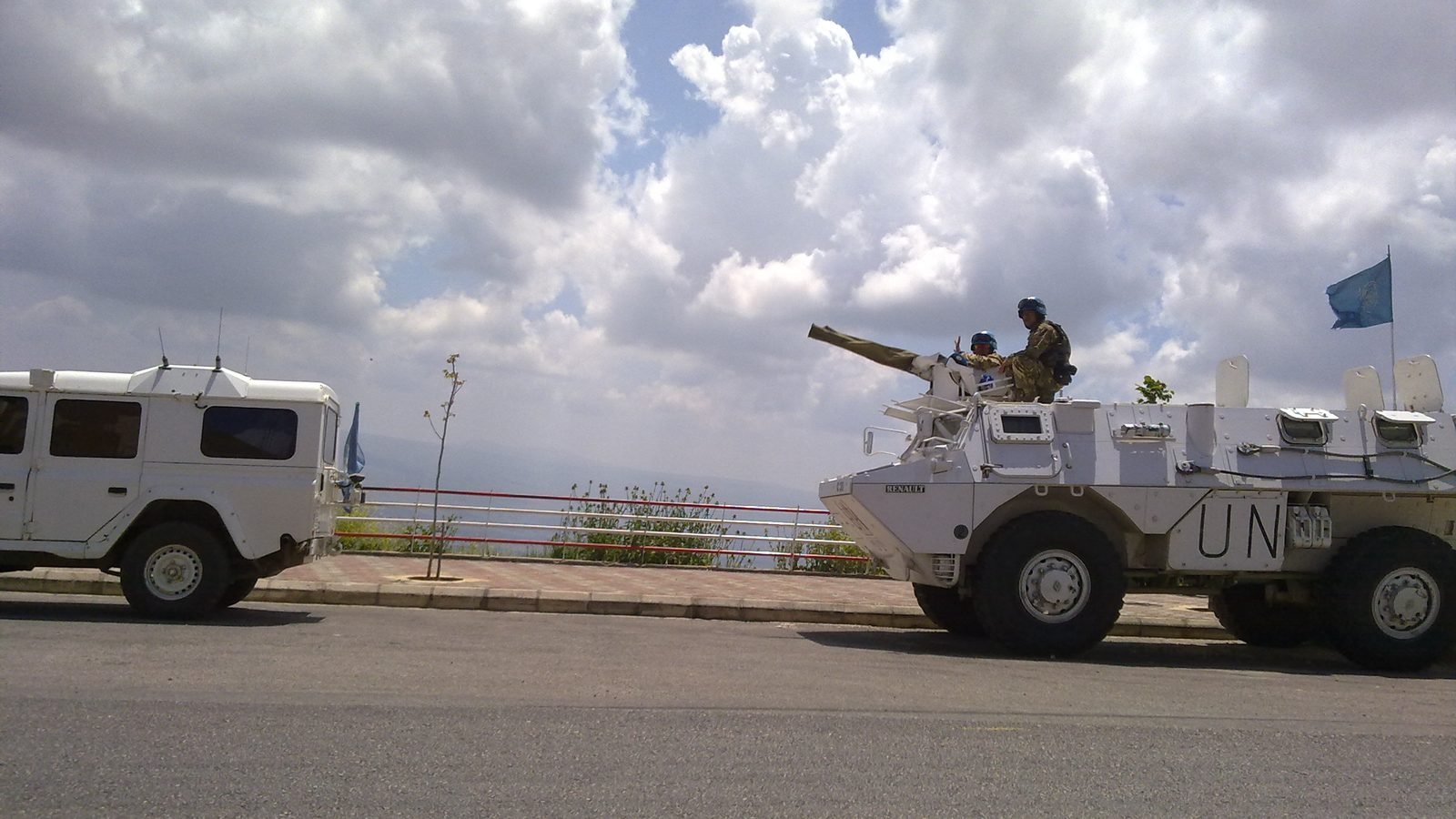
Parliament Speaker Nabih Berri underscored the critical importance of UNIFIL forces continuing their presence in southern Lebanon and their essential role in maintaining security in the region and supporting the Lebanese Army in deploying across all territory up to the international border in accordance with UN Resolution 1701.
Berri said that ending UNIFIL's mandate in the South represents the gravest error and the worst crime committed against the region. He added that this termination means undermining UN Resolution 1701, whose full implementation is increasingly needed and whose continued execution by UNIFIL is essential.
Berri warned of Israeli intentions and the dangers resulting from its military operations in southern Lebanon. He pointed to intensive attacks on towns, villages and civilian residential neighborhoods in the area.
Berri stressed that the intensive bombardment of southern villages is not limited to destroying the built environment and eliminating life there entirely, but also causes serious cracks and fractures in the structural foundations of the region.
Berri's position comes in the context of concern over UNIFIL's role, which since its deployment in 2006 has been considered a central element in the stability arrangements between Lebanon and Israel under Resolution 1701, which ended the 2006 war.
The Lebanese position reflects reliance on international presence in the South as a balancing element during the current period of escalating military tension between Israel and Lebanese armed factions.
Through his emphasis on UNIFIL's importance, Berri seeks to remind the international community of its obligations toward implementing Resolution 1701 and maintaining the mechanisms of stability that the United Nations established after 2006.
The position stresses that any attempt to end UNIFIL's mission could open the door to a security escalation in the South and threaten the fragile stability in the region by the absence of an internationally recognized international mechanism for monitoring and separating the parties.